New Research Confirms Human Sacrifice in Ancient Egypt
Bioarchaeologists find evidence of retainer sacrifice in First Dynasty tombs
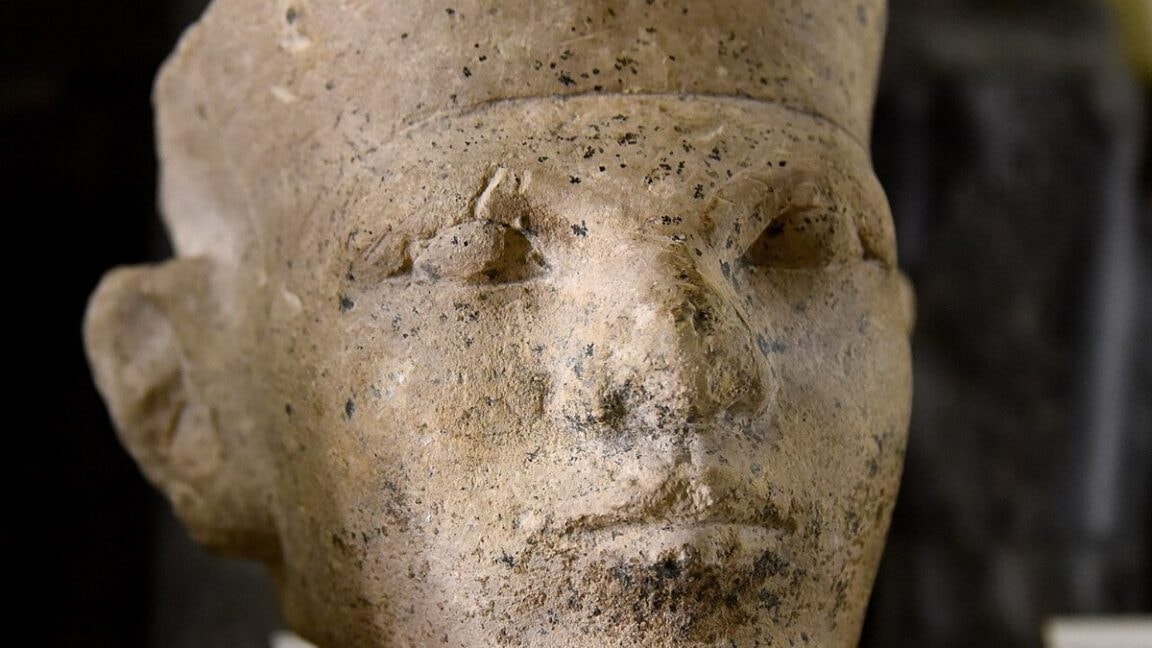
For centuries, Egyptologists have debated whether officials and servants were truly sacrificed during the burials of ancient Egyptian pharaohs. A new study published in Frontiers in Environmental Archaeology may finally settle the matter. Bioarchaeologists have conducted a re-analysis of skulls discovered in the 1920s.
New Evidence From Ancient Tombs
According to the study's author, Roselyn Campbell of Purdue University, more than a third of the remains found in the tombs of Egypt's First Dynasty show signs of blunt force trauma. This evidence suggests that these individuals were victims of "retainer sacrifice," a ritual that involved killing servants to ensure they could continue serving the pharaoh in the afterlife.
The investigation is complicated by the fact that early archaeological excavations were often conducted in haste, and the tombs themselves were looted multiple times. Furthermore, the preservation methods used on the remains over the last century destroyed much of the forensic evidence. Nevertheless, by using modern technology, scientists have been able to determine that the signs of violence were not accidental.
The Importance of Context
Roselyn Campbell emphasizes that caution is necessary when conducting such research. She notes that modern people should not project their own perceptions onto past cultures. Egyptology has often been influenced by colonial archaeology, which previously distorted the perception of historical reality.
The results of this study are significant for global archaeology, as they demonstrate how modern forensic methods can re-evaluate discoveries made a century ago. Although the subject remains a topic of debate, the new data fundamentally changes our understanding of First Dynasty Egyptian society.