New Nvidia GPU 'Hack' Significantly Boosts AI Performance
Software modifications unlock hidden potential in RTX 20, 30, and 40 series cards.
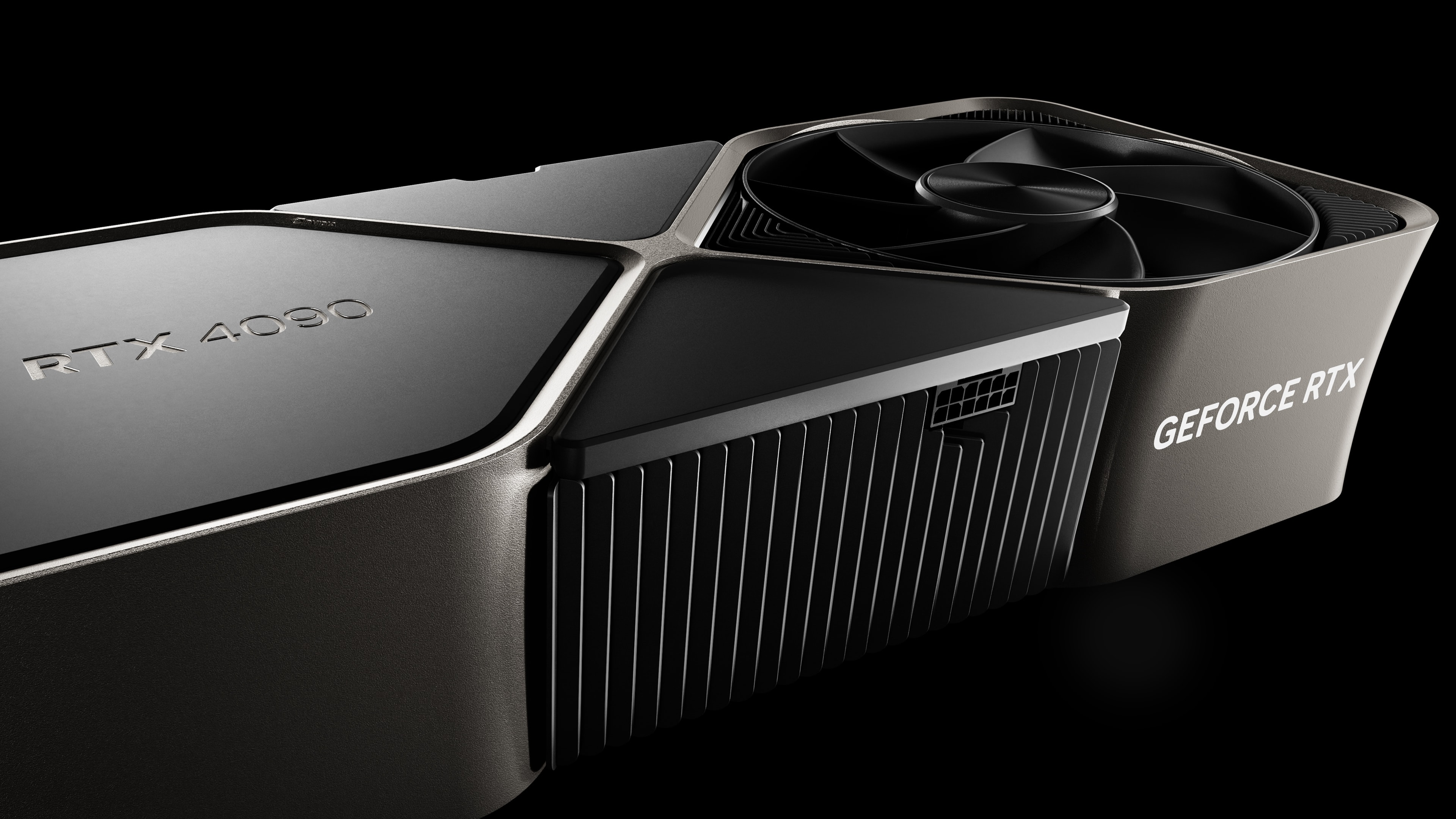
Owners of Nvidia graphics cards have found a new way to fully harness the potential of their hardware. Through software modifications, it is now possible to remove restrictions placed on artificial intelligence (AI) calculations, significantly increasing the performance of RTX 20, 30, and 40 series cards. ## How does the restriction work? Nvidia software limits the speed of matrix mathematical operations on its consumer GeForce cards, causing them to run at half the speed of professional-grade series. This limit particularly hinders tasks such as training AI models, image generation, and data processing. The new 'hack' exploits a vulnerability in Nvidia's firmware, allowing users to unlock the card's full computational power. The process involves using special modules that work on both Linux and experimental versions of Windows. Technically, this involves a 4-byte entry in the card's memory registers, which allows the system to bypass the artificial barriers imposed by Nvidia. ## What does this change offer? According to tests, the performance gains are impressive. For example, in the case of the RTX 4090, the speed of tensor calculations can double, while the efficiency of matrix calculations on the RTX 3090 Ti increases by up to 80%. However, it is important to note that in real-world workflows, such as chatbot operations, the results are more modest because speed often depends on memory bandwidth rather than just raw computational power. Results vary by model: RTX 3070 and 3060 12GB cards showed a 70-80% increase in BF16-type calculations. ## Risks and limitations Despite the attractive numbers, this method is not recommended for the average user. Software modification is associated with certain risks, including the danger of damaging the graphics card, system instability, or data corruption. Furthermore, this method does not apply to Nvidia's latest cards based on the Blackwell architecture. Notably, the authors of these modifications warn users: this is not a magic way to double FPS in games, but a tool for those actively working in the field of AI who require maximum computational resources. For users who employ Nvidia cards for AI projects, this development is interesting, though it requires caution and technical expertise to avoid damaging expensive hardware.