New Mini-PC Packs an Nvidia Tesla V100 for Just $699
A compact workstation designed for AI tasks at a budget-friendly price
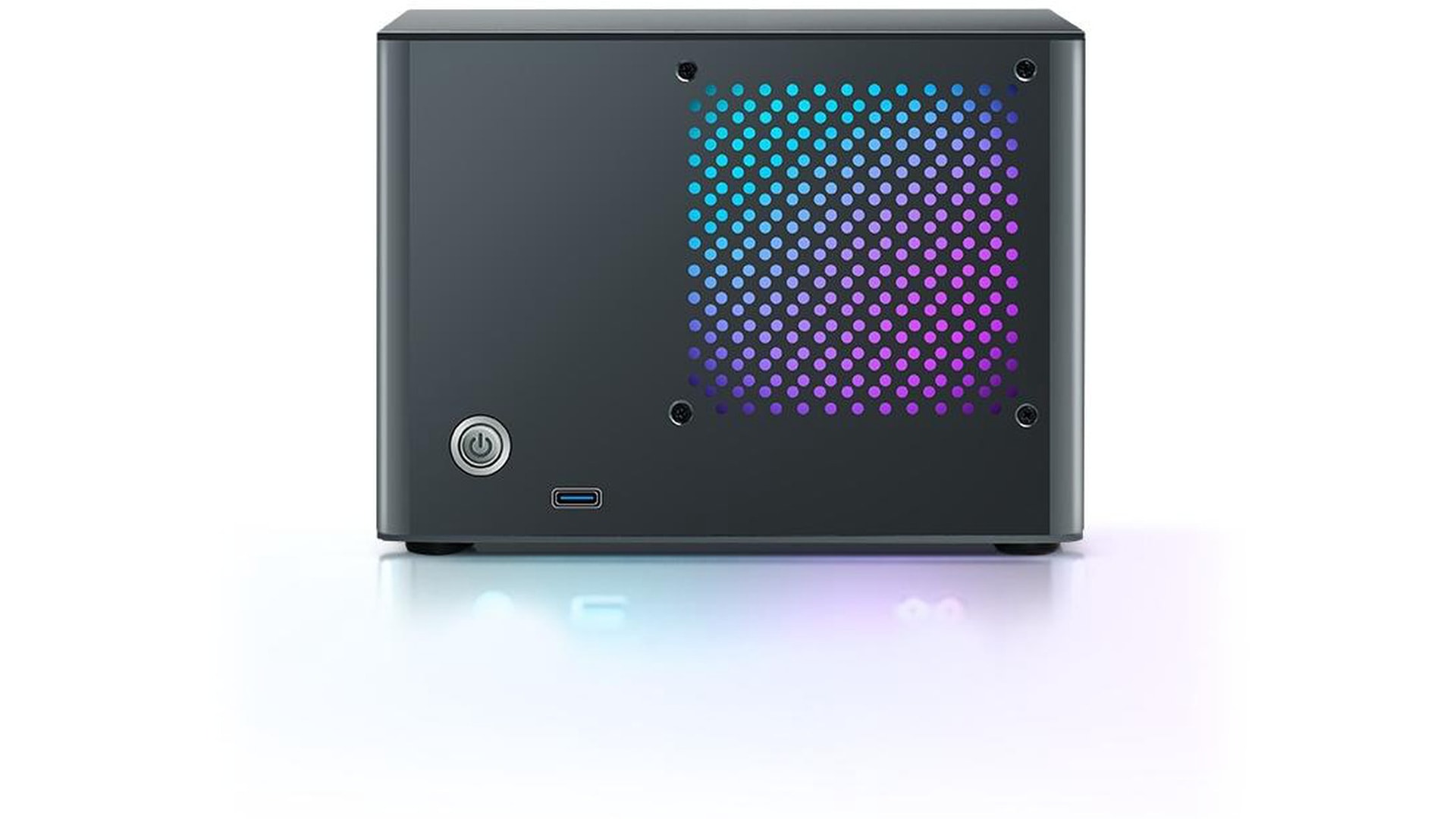
An intriguing piece of hardware has arrived on the tech market: the new Rmatamini P99S mini-PC. Housed in a 5.6-litre chassis, the device integrates an Nvidia Tesla V100 16GB graphics accelerator. Priced at $699, the system appears to be a highly competitive offering when considering the value of its individual components. ## Technical Specifications and Capabilities Beyond the Tesla V100, which features 16GB of HBM2 memory, the system includes an Intel Core i7-10850H processor, 16GB of DDR4 RAM, and a 512GB NVMe SSD. The unit runs on Windows 11 Pro and is powered by a 700-watt power supply. Although the Tesla V100 was originally engineered for data centres, its 900GB/s bandwidth remains relevant today for running large language models (LLMs). For comparison, the standalone price of a Tesla V100 card typically ranges from $400 to $600. Consequently, purchasing the entire computer at this price point is an economical option for those seeking a pre-built CUDA system without the need for custom assembly. ## Important Limitations However, potential buyers should be aware of certain nuances. Primarily, this concerns software support. Nvidia has limited driver support for the Volta architecture, upon which the V100 is based. Newer versions of CUDA 13 do not function fully with this card, meaning users will be restricted to older software environments. Furthermore, the card lacks video output ports, so the processor's integrated graphics must be used to display images on a monitor. The vendor factor is also worth noting. Rmatamini is a relatively new brand, and customers will need to resolve warranty-related issues directly with the seller, which always carries inherent risks. A 30-day return policy is the only guarantee currently in place. ## Is It Worth Buying? Who is this device for? It is an ideal option for enthusiasts who need affordable hardware for AI experiments and do not wish to purchase separate components or manage complex adapters. However, if your goal is to handle larger, more modern models, the 16GB of memory and limited software support may soon become a bottleneck. Ultimately, this is a niche product that makes high-bandwidth memory accessible, but users must evaluate whether utilizing an architecture nearing the end of its technological lifecycle is acceptable for their needs in 2026.