New MacBook Pro: Comparing Liquid Retina and PROLED Displays
Is the $400 premium for the new PROLED model justified?
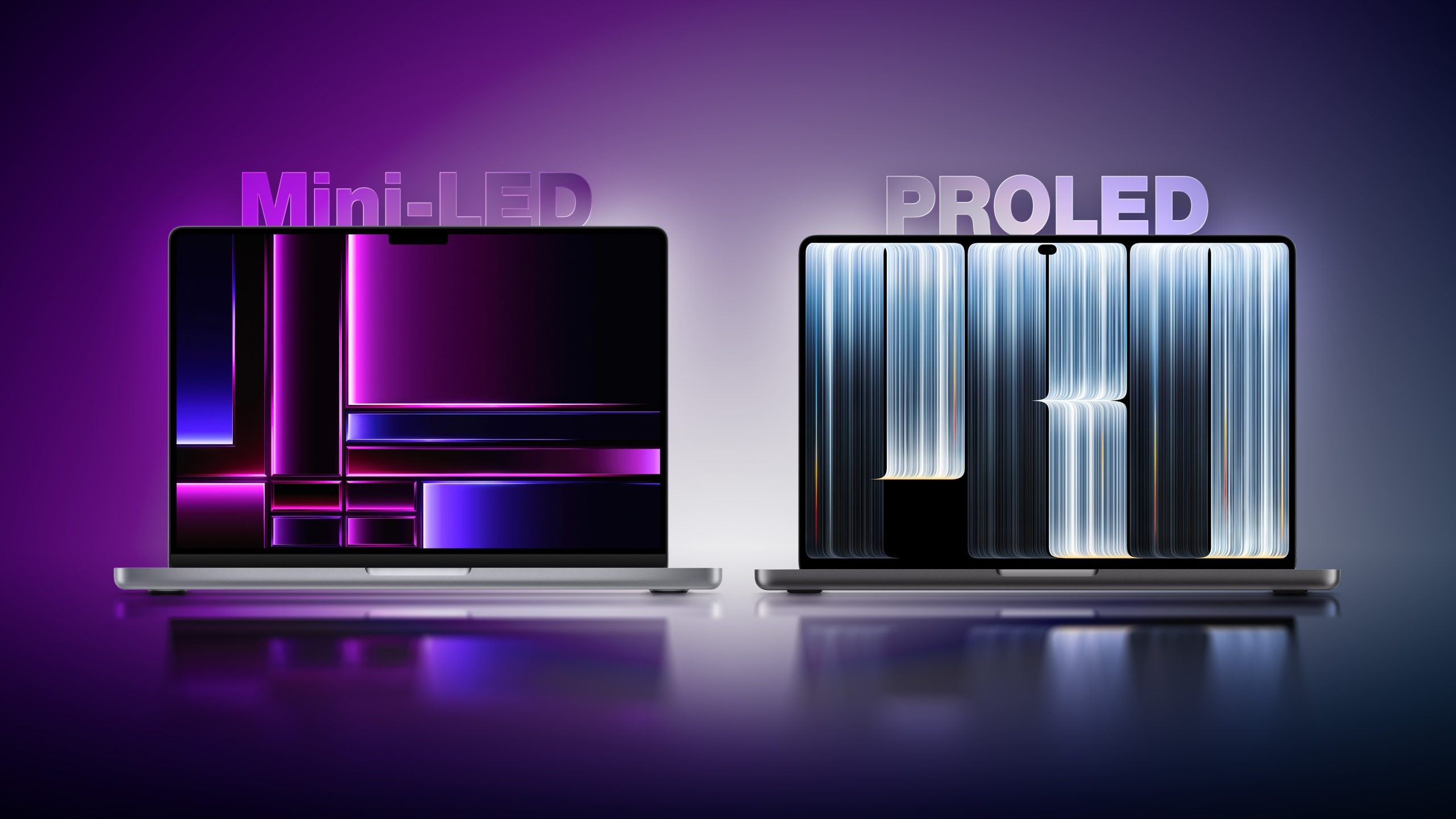
New Display and Touch Control
Apple has significantly updated its MacBook Pro lineup. The new PROLED XDR models are being sold alongside older Liquid Retina XDR versions, but the differences extend beyond design. The key innovation is the "tandem" OLED technology, which provides independent illumination for every pixel. As a result, the contrast ratio has increased to 10,000,000:1, and peak brightness for HDR content has reached 2,000 nits.
The most striking change is the touchscreen capability. Apple has integrated a Multi-Touch sensor directly into the panel, which reduces latency. Users can now move windows, use pinch-to-zoom gestures, and interact with the screen directly. Additionally, the camera notch has been replaced by the Dynamic Island, which integrates notifications and active functions more conveniently.
Design, Weight, and Sound System
The new models are thinner and lighter than their predecessors. For instance, the weight of the 16-inch version has been reduced by 15%, enhancing mobility. Apple has also redesigned the hinges to ensure the device remains stable when using the touchscreen. An interesting detail is the illuminated Apple logo on the back, which gives the laptop a premium aesthetic.
The audio system has also been improved: new woofers offer 50% deeper bass, while the tweeters provide better sound dispersion. Despite retaining a 12MP resolution, the camera now features an improved video stabilisation algorithm, which reduces image shaking when touching the screen.
Productivity or Luxury?
Despite the technical improvements, both models run on M5 Pro and M5 Max chips. Consequently, you will not feel a performance difference during daily workflows, such as programming or office tasks. Battery life remains practically unchanged, while storage capacity on PROLED models has increased to 16TB, which is only relevant for highly specialised professionals.
The $400 price difference is quite significant. If you are not a professional photographer or videographer who requires the Adobe RGB colour space and 2,000 nits of brightness, the existing Liquid Retina XDR models remain the best choice. However, if you want the latest technology, a touchscreen, and a lighter chassis, the PROLED model is for you.
When purchasing these laptops, note that new features, such as the full integration of Dynamic Island with Siri AI, may be subject to regional restrictions. However, the screen quality and mobility are advantages that users are likely to appreciate from the very first day.