New Android 17 Feature Bolsters Protection Against Phone Theft
Google's latest beta update prevents unauthorized users from disabling network connections on locked devices.
A New Layer of Security for Android Users
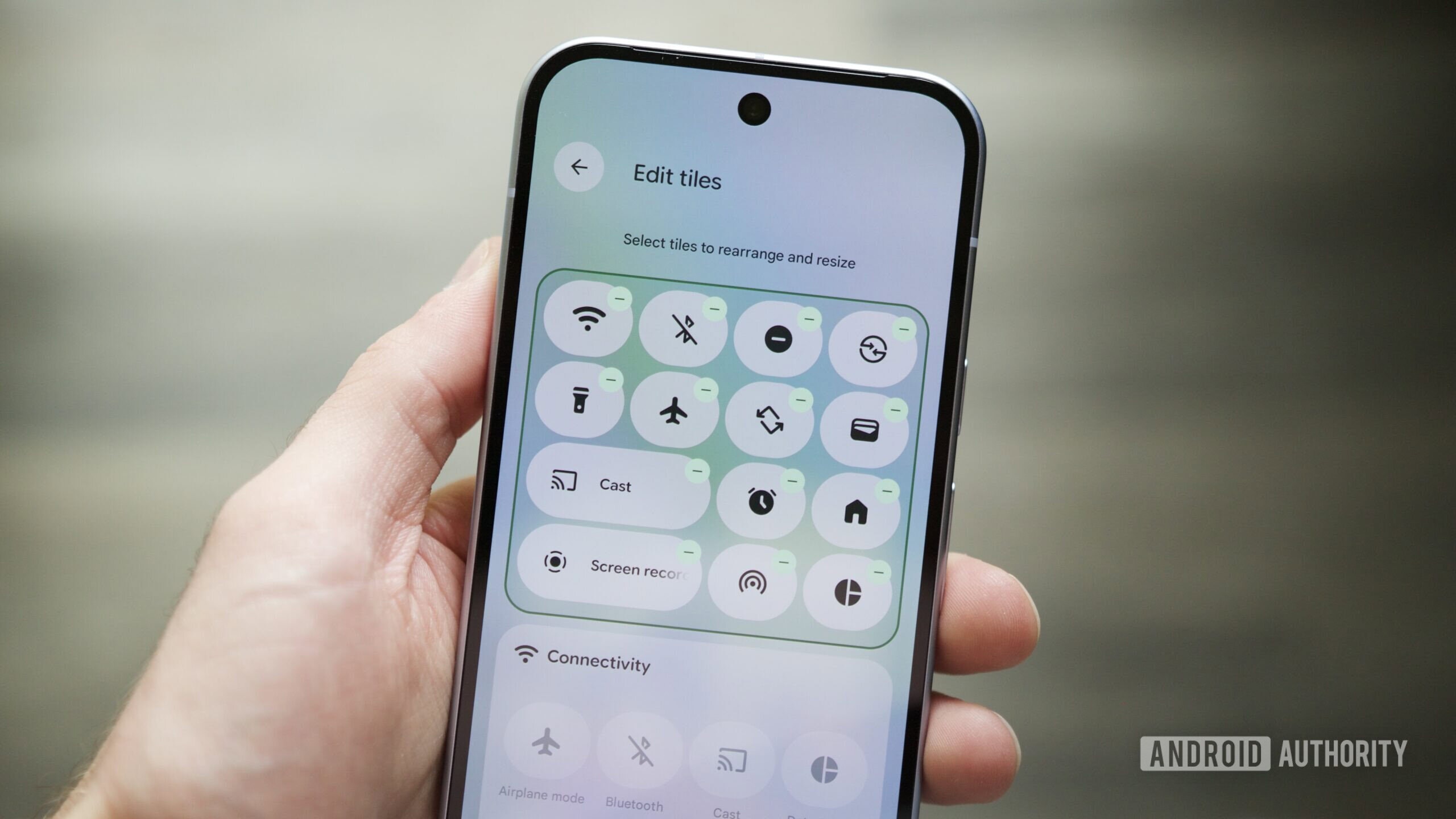
Google has officially unveiled Android 17 QPR 3 Beta 2, bringing a significant security update to users. Phone owners can now restrict access to the Quick Settings panel from the lock screen. This change is particularly vital in cases of lost or stolen devices, as it prevents unauthorized individuals from disconnecting the phone from mobile networks.
This feature has been a topic of discussion within the tech community for some time. While initial reports surfaced as early as June, Google has only now successfully implemented it during the latest stage of testing. This move addresses the growing demand from users for stronger mobile device security.
How the Security Mechanism Works
The core of this new feature is that it blocks connection-related quick toggles. When the phone is locked, strangers can no longer disable functions such as Wi-Fi, mobile data, Bluetooth, or Airplane Mode. Previously, anyone holding a locked smartphone could disconnect it from the internet, making it practically impossible to track the device using the "Find My Device" feature.
From now on, changing these settings will require unlocking the screen via a PIN, pattern, or biometric data. This small but critical change prevents attackers from forcing the phone into an "offline" mode, which complicates efforts to locate the device.
What This Means for Users
Strengthening security within the Android ecosystem is beneficial for all users in the long run. Although this feature is currently available in the beta version, it is expected to be included in the next stable release of the operating system. For users in Georgia who actively rely on modern smartphones, this additional protection means that their personal data and devices will be significantly safer from unwanted incidents.
Google’s move confirms a trend where tech giants are focusing not only on new visual effects but also on user security and privacy. In the near future, it is expected that various manufacturers will adapt this feature into their own user interfaces (UI), making the entire Android ecosystem more secure.