NASA’s Artemis III: New Details on Moon Mission Testing
A New Stage of Space Operations
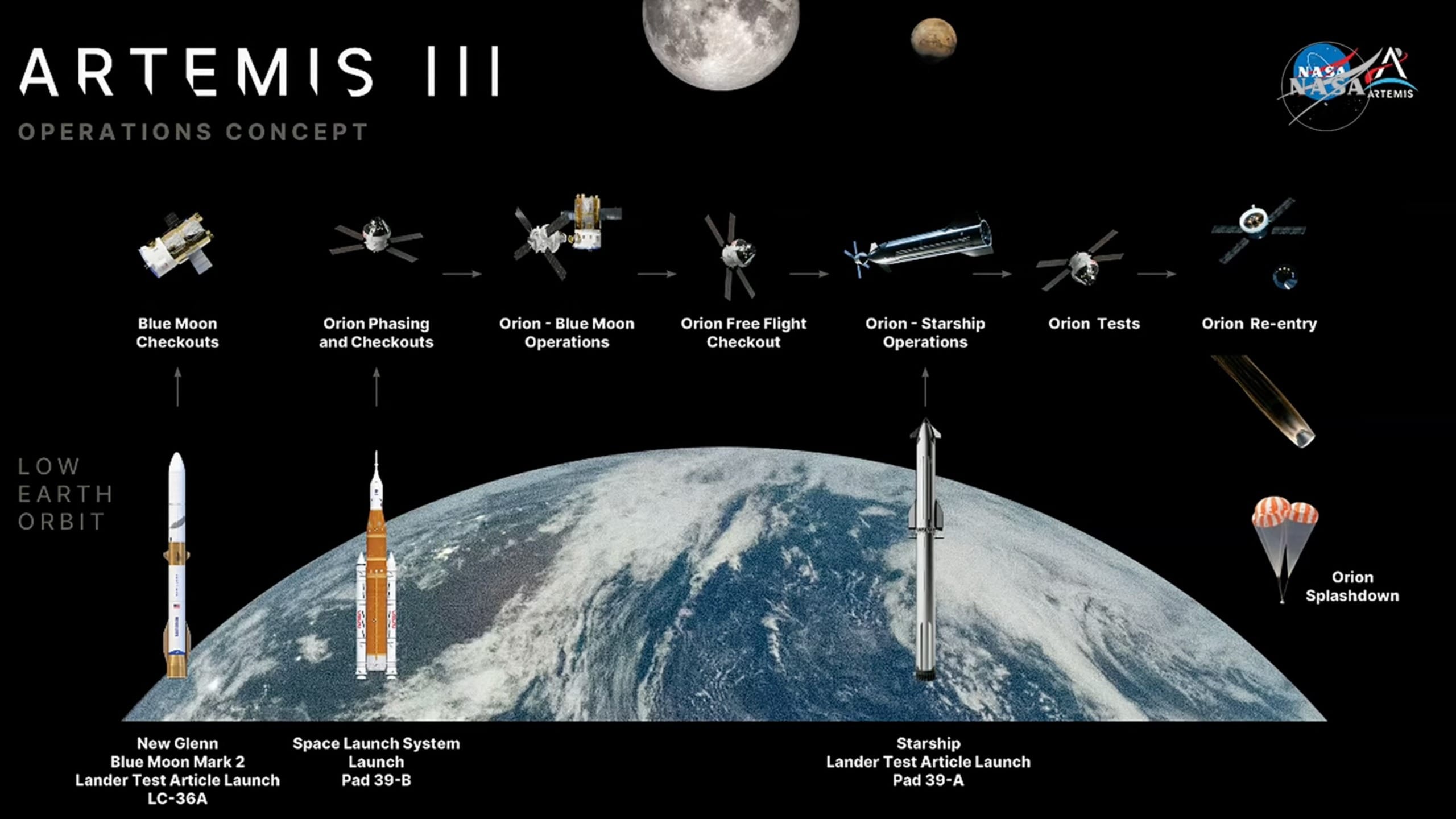
NASA has officially presented the concept for the Artemis III test flight, a mission deemed crucial for the agency’s lunar programme. During a press conference at the Kennedy Space Center, programme manager Jeremy Parsons described it as one of the most complex and large-scale space campaigns in history. The mission will involve three major launch vehicles: the SLS, SpaceX’s Starship, and Blue Origin’s New Glenn.
The primary objective is to test landing systems in Low Earth Orbit (LEO). According to the plan, New Glenn will first launch Blue Origin’s Blue Moon module, followed by NASA’s SLS rocket, which will carry astronauts in the Orion capsule to orbit. The crew, consisting of Randy Bresnik, Andre Douglas, Frank Rubio, and Luca Parmitano, will transfer to the Blue Moon module for two days to evaluate its life-support systems.
The Role of Starship and Future Plans
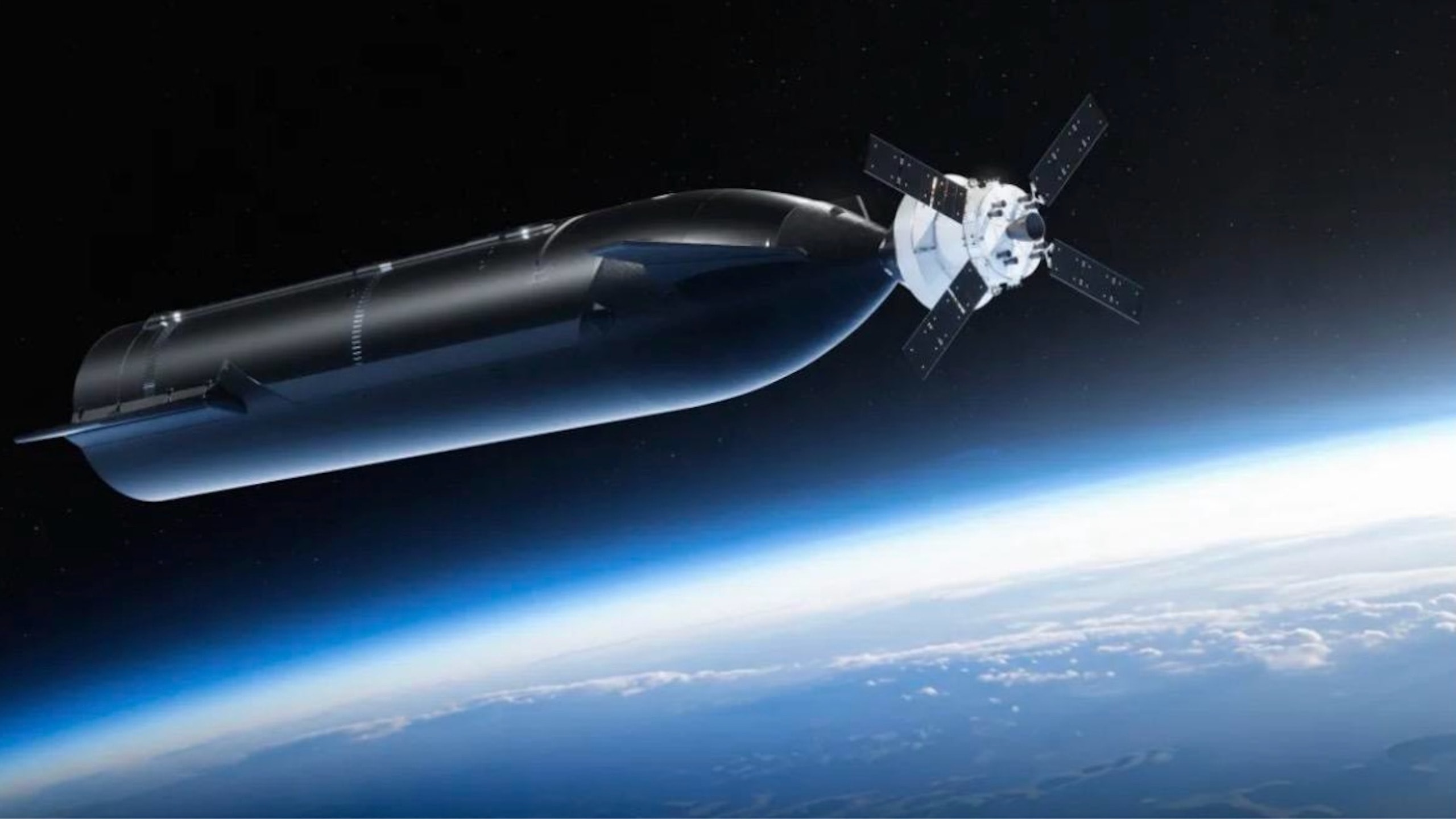
Artemis III will also include a docking test for SpaceX’s Starship. This process, lasting approximately two hours, will not involve the crew entering the module, but it will provide NASA with critical data on docking forces and manoeuvring. These technical details will lay the groundwork for the Artemis IV mission, scheduled for 2028, which aims to land on the lunar south pole.
Although NASA administrator Jared Isaacman remains optimistic, the mission timeline remains in question. Official data suggests the project is approximately 90 days behind schedule, primarily due to supply chain challenges. Despite this, the agency remains flexible and has not yet confirmed which module—Blue Moon or Starship—will perform the final lunar landing.
Why This Matters
The main purpose of Artemis III is risk mitigation. The space agency aims for the crew to make real-time decisions in an environment where returning to Earth is relatively straightforward in the event of a problem. This experience will be vital for the return of humans to the lunar surface, marking the first such event since the Apollo 17 mission in 1972.
For NASA, the current priority is the readiness of its partners. Both private companies, Blue Origin and SpaceX, are independently developing technologies that are ushering in a new era of lunar exploration. For readers following the development of space technologies, this mission signifies that humanity is actively preparing for the colonisation of the Moon and the establishment of a permanent base there.