NASA Successfully Concludes Mars Simulation Mission
The 378-day experiment provides critical data for future deep-space exploration.
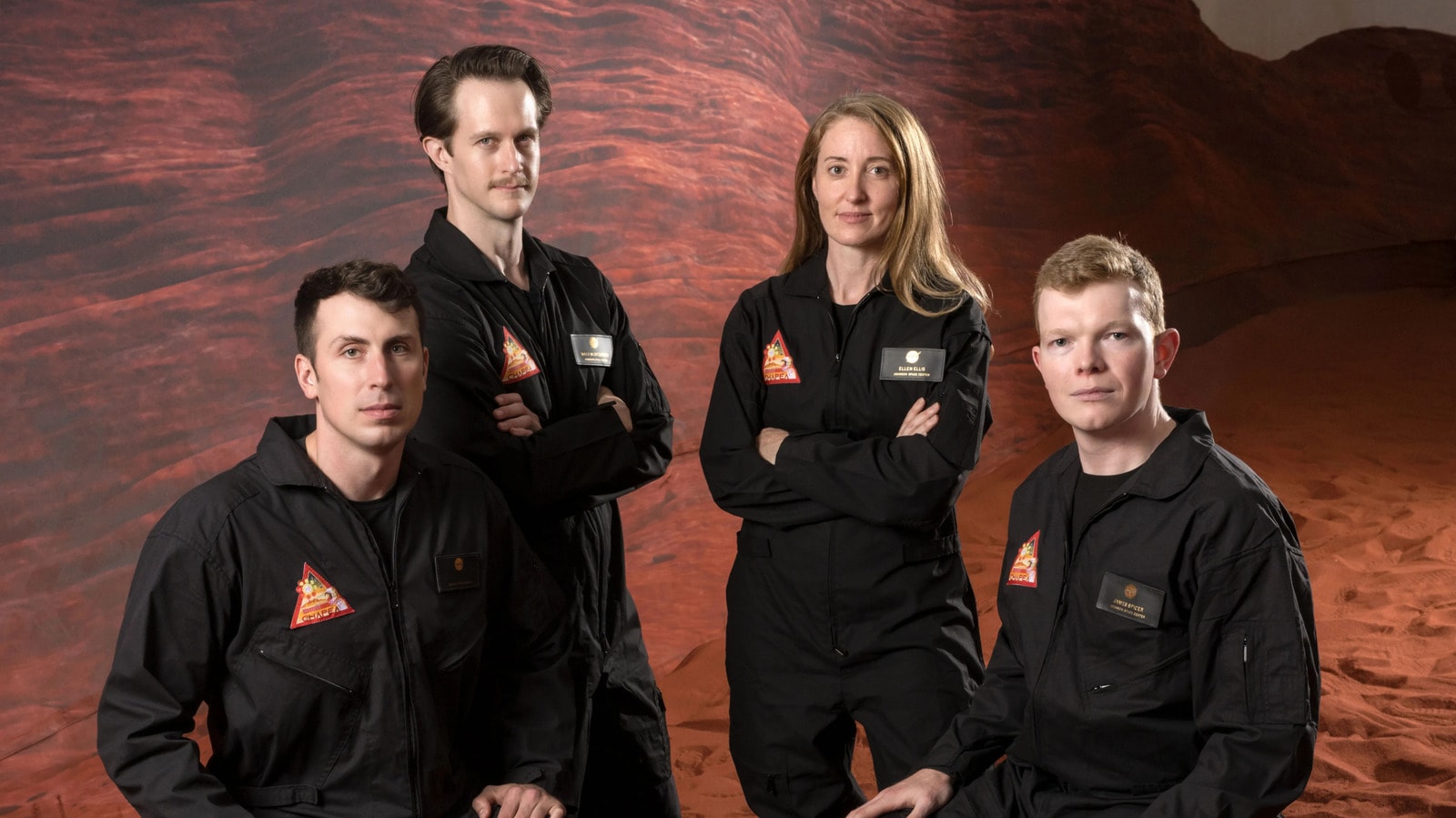
Mars Simulation on Earth
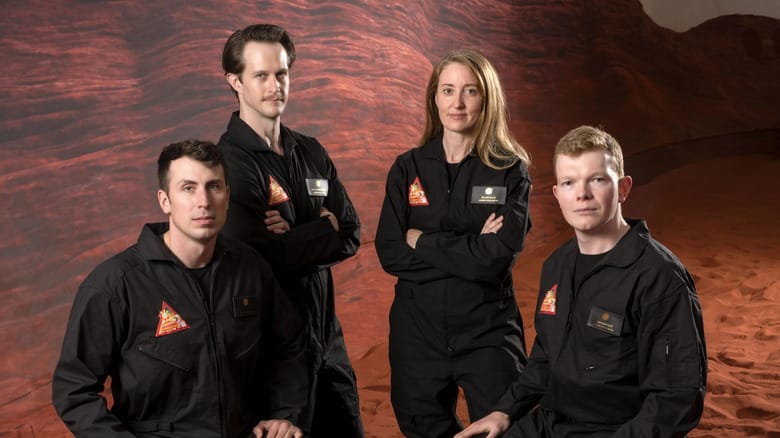
The second mission of NASA's Crew Health and Performance Exploration Analog (CHAPEA) project has officially concluded. Four volunteers—Ross Elder, Matthew Montgomery, Ellen Ellis, and James Spicer—spent 378 days inside a specialized habitat located at the Johnson Space Center in Houston. The experiment, which began on October 19, 2025, aimed to study the challenges astronauts will face during travel to Mars.
The 158-square-metre, 3D-printed structure fully replicated the conditions of a Martian base. Participants lived in isolation, performing routine tasks such as habitat maintenance, growing plants, and conducting simulated spacewalks. Each excursion required them to pass through a specialized airlock.
Challenges and Results of Isolation
The research went beyond simple isolation. The crew was subjected to stressors typical of real space missions, including resource limitations and communication delays. Simulating the signal lag between Earth and Mars is critical for testing psychological and operational readiness.
According to NASA, the data collected will be crucial for optimizing space food systems and planning long-duration missions. This information will help the agency better prepare astronauts for future expeditions to the Moon and Mars, where distance from Earth and resource scarcity will be part of daily life.
What Comes Next?
The CHAPEA program began in 2023, and the agency has since gained unique experience. NASA has already begun the search for new volunteers for the next, more extensive mission. The planned project, which will integrate the experience gained from CHAPEA with other space simulations, will not begin until August 2027.
For audiences in Georgia and across the globe, these studies are significant as humanity moves step-by-step toward the idea of colonizing other planets. However, until a real Mars mission takes place, these Earth-based simulations remain the best way to determine how prepared humans are to conquer the cosmic void.