NASA Seeks Private Sector Help to Save the Hubble Telescope
NASA is looking for innovative ways to keep the telescope operational as its orbit decays.
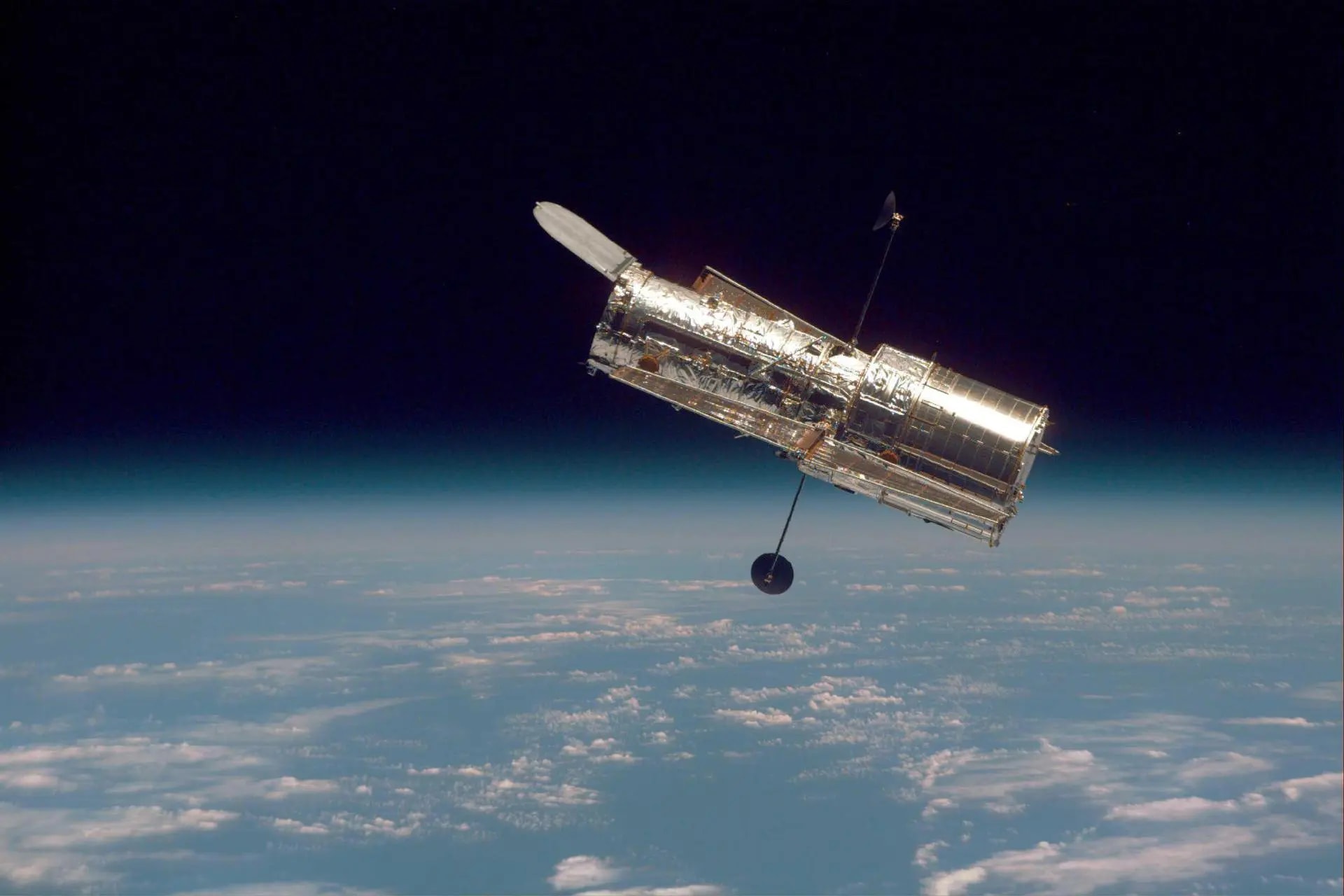
A Plan to Save a Space Legend
The Hubble Space Telescope, which has fundamentally transformed our understanding of the universe, faces the risk of falling into Earth's atmosphere and burning up by the 2030s. Although the telescope is currently operating effectively, Earth's gravity is pulling it into a lower orbit every day. NASA leadership has decided it is time to leverage the potential of the private sector to address this challenge.
The agency has officially issued a Request for Information (RFI) to determine whether private companies have the capability to boost the telescope's orbit or extend its operational life. This initiative aims to ensure the continuation of scientific research, as Hubble remains capable of making significant discoveries.
Why This Matters
According to NASA administrator Jared Isaacman, the agency has an obligation to explore every reasonable opportunity to maximize the lifespan of expensive and unique technological assets already in orbit. He stated that this is not merely a matter of scientific interest, but a responsibility to taxpayers.
"Hubble has many more significant scientific discoveries ahead of it. We must find innovative and cost-effective ways to extend its operations," Isaacman noted. If the telescope's orbit can be stabilized, it will allow astronomers to continue deep space observations for years to come, further expanding our understanding of the cosmos.
What Comes Next
NASA has set a deadline of 30 November at 3:00 PM (Eastern Time) for interested companies to submit their proposals. The agency is seeking partners with the technical capability to perform complex operations in Earth's orbit. This initiative highlights how the space industry is evolving, with government agencies increasingly relying on the flexibility and technological innovation of the private sector.
For those observing global space research, the fate of Hubble is significant, as data from this telescope forms the foundation for most modern astrophysics textbooks and research. If the private sector succeeds in saving this unique instrument, it will set a historic precedent for the servicing and life extension of space assets.