NASA Seeks Commercial Partners to Rescue Hubble Space Telescope
The iconic observatory is losing altitude, and the agency is looking for private sector solutions to secure its future.
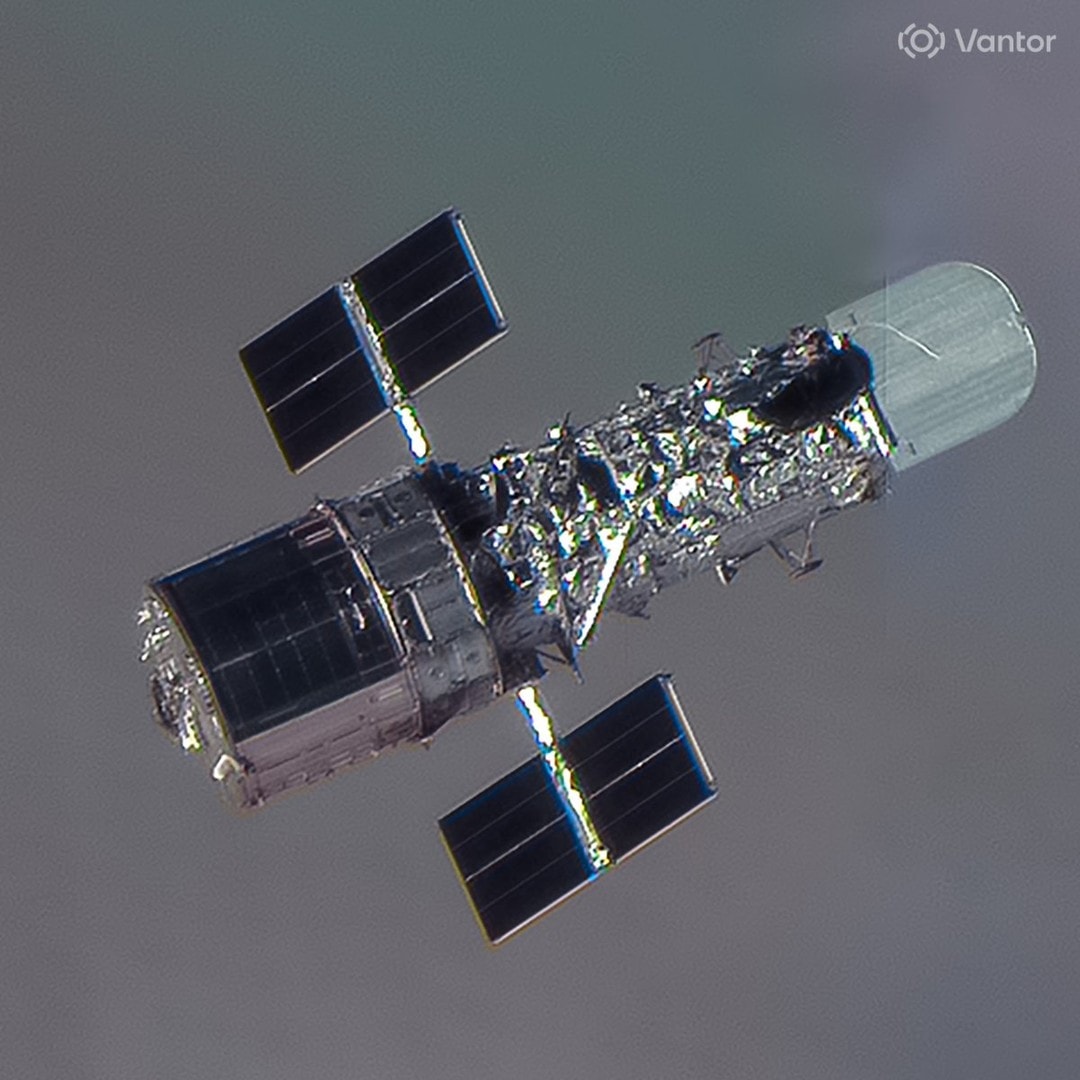
The Future of a Space Legend
The Hubble Space Telescope has been orbiting Earth for 36 years, providing humanity with unique imagery of the universe. However, time is taking its toll: the telescope lacks its own propulsion to maintain altitude, causing it to gradually drift toward the atmosphere. Without intervention, the instrument will enter the atmosphere and burn up by the mid-2030s.
NASA has launched a new initiative, reaching out to private companies for assistance. The agency is seeking partners capable of boosting Hubble’s orbit to at least 600 kilometres or providing technical maintenance. The deadline for proposal submissions is 30 November. The space agency has explicitly stated that any work must be completed by 2032 and must not cause damage to the telescope itself.
The Role of the Commercial Sector
Notably, NASA does not currently have a dedicated budget for this mission. The agency is attempting to determine the feasibility of utilizing existing market technologies. The private space industry has evolved significantly in recent years. Today, startups such as Astroscale and Starfish Space specialize in satellite servicing and refueling in orbit.
NASA administrator Jared Isaacman, who previously championed the initiative to save Hubble, stated that the current focus is on robotic systems. He noted that the goal is to preserve the existing asset for as long as possible to enable further scientific discovery. Previous experience, such as when startup Katalyst Space Technologies achieved significant results while attempting to save the Swift telescope, has demonstrated that such missions may be far more accessible than previously thought.
Why Hubble Remains Vital
Although NASA’s arsenal includes the Webb and Roman telescopes, they do not fully replace Hubble. Hubble specializes in observations within the visible and ultraviolet spectra, whereas new-generation telescopes primarily operate in infrared. The launch of a full-fledged successor, the Habitable Worlds Observatory, is not planned until the 2040s.
Boosting Hubble’s orbit to 600 kilometres would extend the telescope’s life by at least another 25 years. For NASA, this means continuous scientific observation, while for private companies, it represents a unique opportunity to prove their capabilities in maintaining space infrastructure. Everything now depends on the effectiveness of the plans submitted by the private sector over the coming months.