NASA Begins Exploration of Lunar Subsurface Caves
Scientists are eyeing lava tubes in the Marius Hills region as potential shelters for future astronauts as part of lunar colonization plans.
Lunar Caves as a Future Base
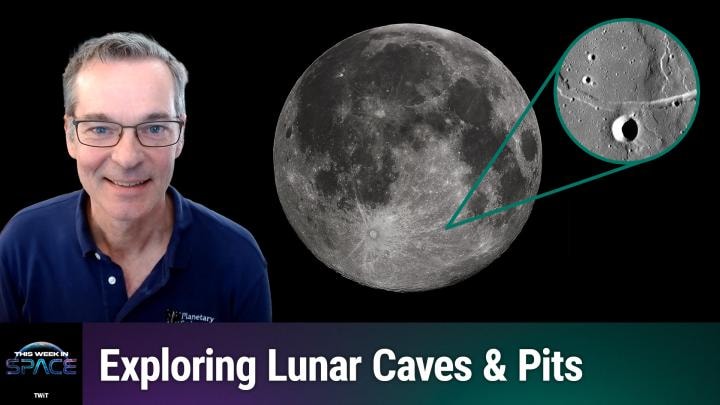
Humanity’s quest to settle the Moon is entering a new phase. A NASA-backed research project aims to explore voids beneath the lunar surface, specifically lava tubes. Scientists believe these natural formations could serve as ideal locations for the first human settlements, offering astronauts natural protection against radiation and meteorites.
The focus is on the Marius Hills region, where a fissure approximately 50 metres wide has been identified. It is believed this opening connects to a system of underground tunnels. Specialists plan to deploy rovers equipped with geophysical instruments to scan the terrain, determining the precise size and structure of these caves.
Technological Challenges and the Artemis Program
Exploring this unknown lunar world is directly linked to NASA’s ambitious Artemis mission. While the agency’s primary base is planned for the lunar South Pole, utilizing underground spaces is critical for long-term missions. Researchers are working to understand how these lava tubes formed and how safely they can be adapted into living modules.
These studies represent a significant step in the space race, where surface resources alone are no longer sufficient. Data gathered by robotic explorers will be decisive in determining the feasibility of building underground lunar "cities" in the coming decades.
Current News in the Space Industry
Simultaneously, the space sector is marked by other major developments. US military agencies have released photos of a secret Chinese spaceplane. Meanwhile, in the private sector, Virgin Galactic has successfully tested its new Delta-class spacecraft, designed for suborbital flights.
Regrettably, the week was also marked by a loss for space culture. Two science fiction legends have passed away: Patrick Stewart, known for his role as Captain Picard in Star Trek, and Walter Koenig. Their contribution to the popularisation of space themes is invaluable.
For readers following technological progress, such research confirms that the space economy is becoming increasingly accessible. For instance, enthusiasts can now purchase an accurate, flying model of the SpaceX Falcon 9 from the company Estes, further increasing interest in space engineering. The study of lunar caves is a clear example of how science is changing our understanding of life on other planets.