NASA Adjusts Moon Return Plans With New Artemis Strategy
The agency is refining its approach to overcome technical barriers and streamline the path to lunar exploration.
Changes for SpaceX and Blue Origin
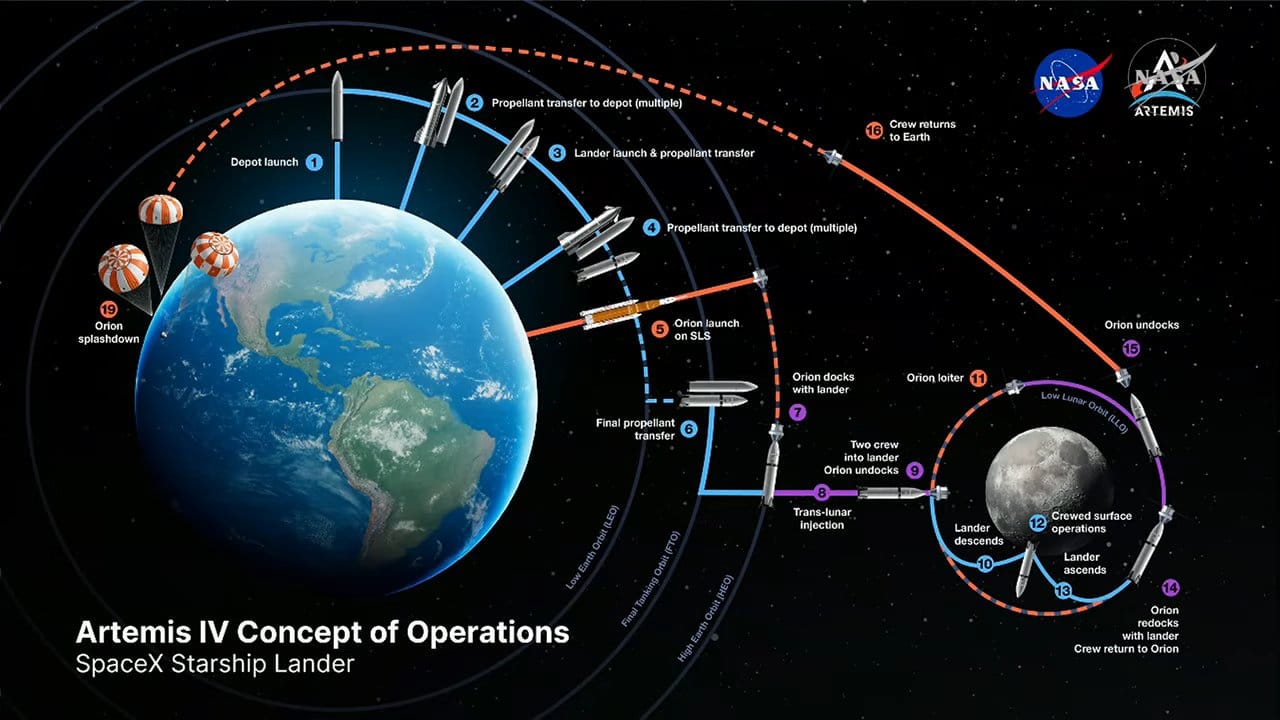
One of the most significant updates concerns the SpaceX Starship mission. Previously, the plan required the Orion spacecraft to dock with Starship in lunar orbit, which proved energetically demanding. Under the new scheme, Starship will be refuelled in high Earth orbit, where Orion will then rendezvous with it. This decision follows NASA's cancellation of the Lunar Gateway project, removing a major technical hurdle for SpaceX engineers.
As for Blue Origin, the mission for the company's Blue Moon lander will now involve four launches of the New Glenn rocket. NASA's plan involves Orion meeting Blue Moon in an elliptical lunar orbit, though the agency is working to make docking possible in low lunar orbit as well. The latter would significantly ease fuel management for Blue Origin and simplify the landing process.
Solving the Orion Problem
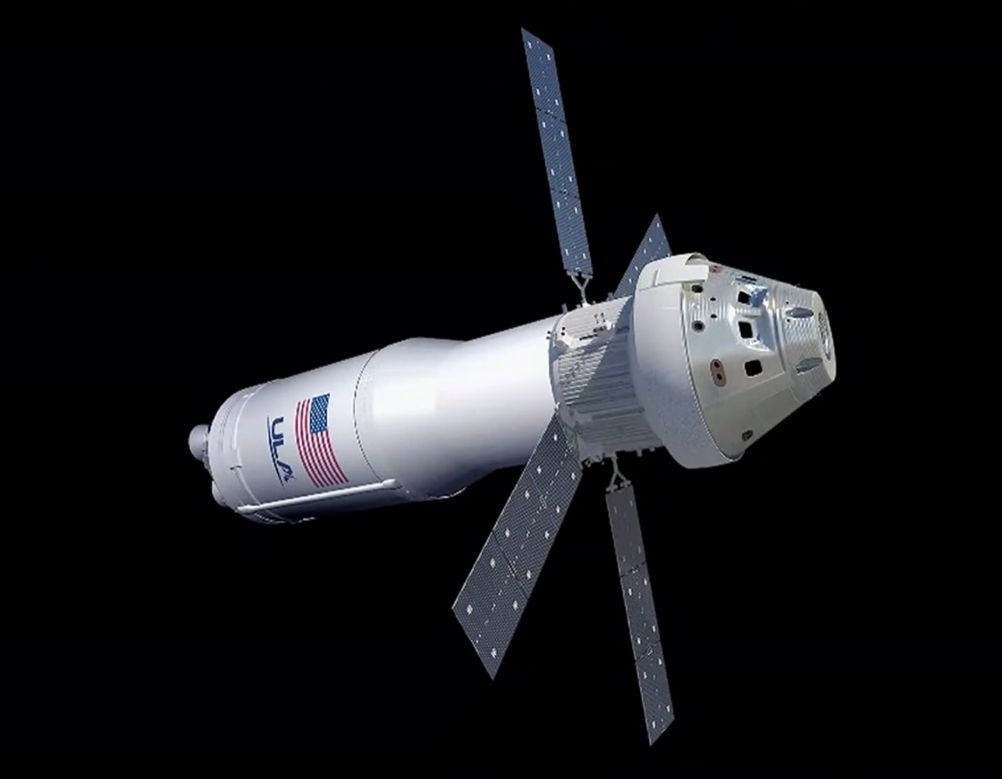
For a long time, the limited capabilities of the Orion spacecraft, which could not reach low lunar orbit and return, posed a significant challenge for NASA. To address this, the agency is working with United Launch Alliance on a modified version of the Centaur V upper stage. This modification will allow Orion to reach low lunar orbit, simplifying the implementation of the entire programme.
NASA Administrator Jared Isaacman emphasised that this is a realistic path to achieving the goal. He noted that the agency is actively collaborating with private partners to create optimal conditions for them and to accelerate processes that had been delayed for years.
What Lies Ahead?
Despite the optimism, questions remain. For instance, it is not yet clear exactly how many launches will be required to fully refuel Starship. While Elon Musk has suggested 6 to 8 launches, NASA’s safety panel estimates a much higher figure of approximately 22. NASA officials are not providing an exact number at this stage, noting that it depends on the efficiency of cryogenic fuel storage and transfer technologies.
The Artemis III mission, which involves the demonstration of Starship and Blue Moon, is scheduled for the summer of 2027. If successful, it will mark the first step in returning humans to the Moon, representing a new stage in humanity's space ambitions.