Most Americans Oppose New Data Center Construction
New research shows that public opposition to data centres is widespread and transcends political boundaries.
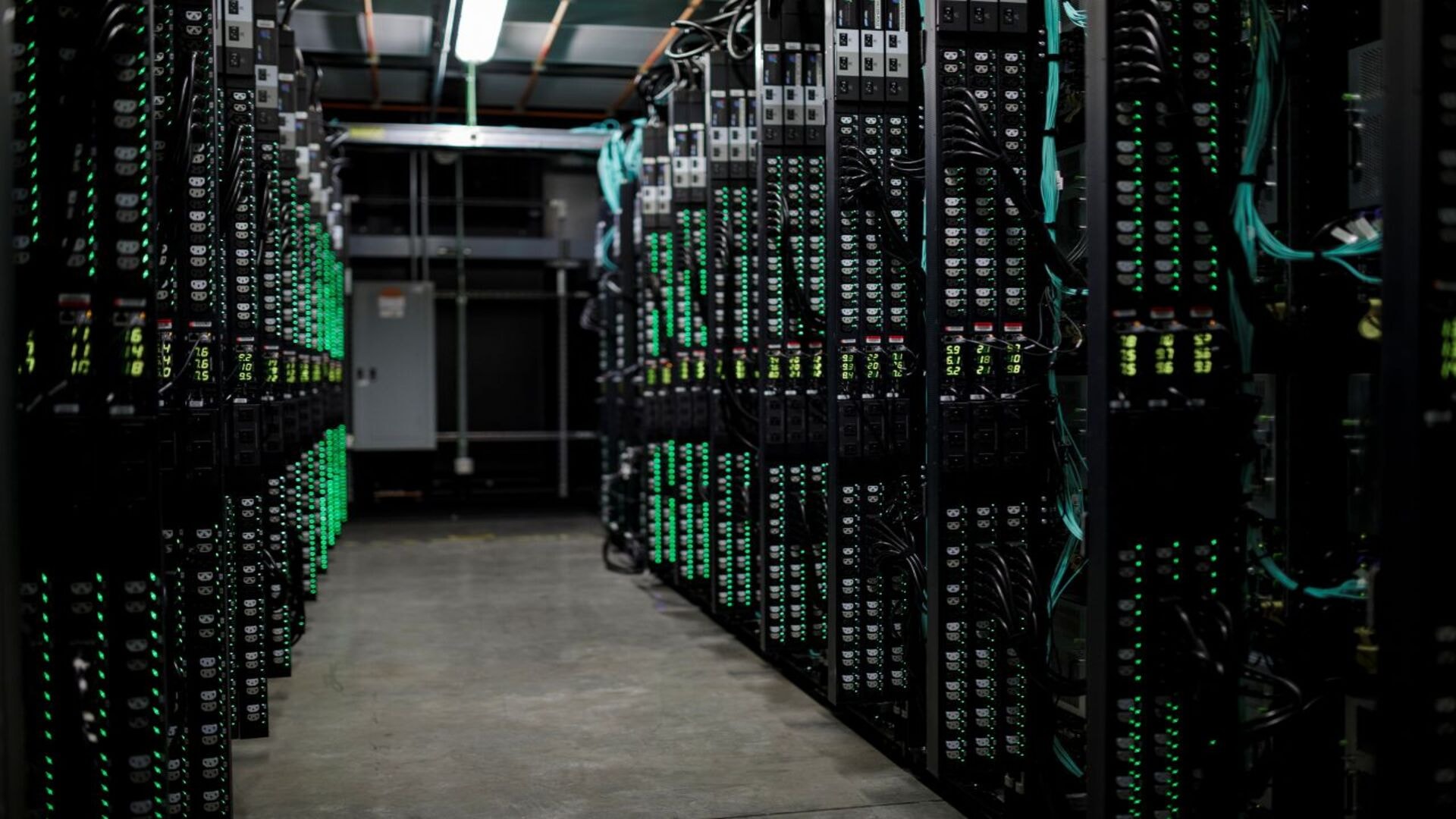
The rapid advancement of artificial intelligence and the massive surge in data processing have triggered a construction boom for data centres across the United States. However, new research indicates that this expansion has met with an overwhelmingly negative reaction from local communities. A database compiling over 10,000 public statements from more than 900 meetings across 48 states shows that 90.5% of the feedback is opposed to the construction of these new facilities.## Water Consumption and Environmental ImpactThe primary concern for local residents is the consumption of water resources. Data centres, particularly those supporting artificial intelligence servers, require significant volumes of water for cooling systems. In one specific case, the consumption of 110 million litres of water in a single month led to a drop in pressure within the local network, sparking intense frustration and concern among the public.Although tech giants, including Microsoft, have attempted to reassure the public by claiming that their next-generation centres use water in volumes comparable to restaurants, these arguments have done little to shift public opinion. Beyond water usage, citizens are worried about rising electricity tariffs and environmental degradation.## Political and Geographical FactorsInterestingly, opposition to data centres does not appear to be tied to political affiliation. Resistance levels are nearly identical in both Democratic and Republican districts. However, the nature of these concerns varies by location: rural residents are more focused on land ownership rights and the future of agricultural land, while urban residents place greater emphasis on environmental protection and government transparency.Criticism has been directed at companies such as Google, Amazon, Meta, and Microsoft. Notably, Elon Musk has been the most frequent target of personal criticism, followed by Sam Altman and Peter Thiel. Despite the hype surrounding artificial intelligence, it is mentioned in only 21% of public discussions, suggesting that local discontent stems from a much broader range of issues.## What Does the Future Hold?The only group that views data centre construction relatively positively is union members, likely due to employment prospects. However, even among those employed in the data centre industry, only 40% express a desire to have new facilities built near their own communities.These findings highlight a significant communication gap between technology companies and local populations. While data centres serve as the backbone of the modern digital economy, the scale of their resource consumption and their impact on local environments are likely to generate further opposition, potentially complicating the implementation of such projects in the future.