Monster Hunter Outlanders: A First Look at the Iconic Series on Mobile
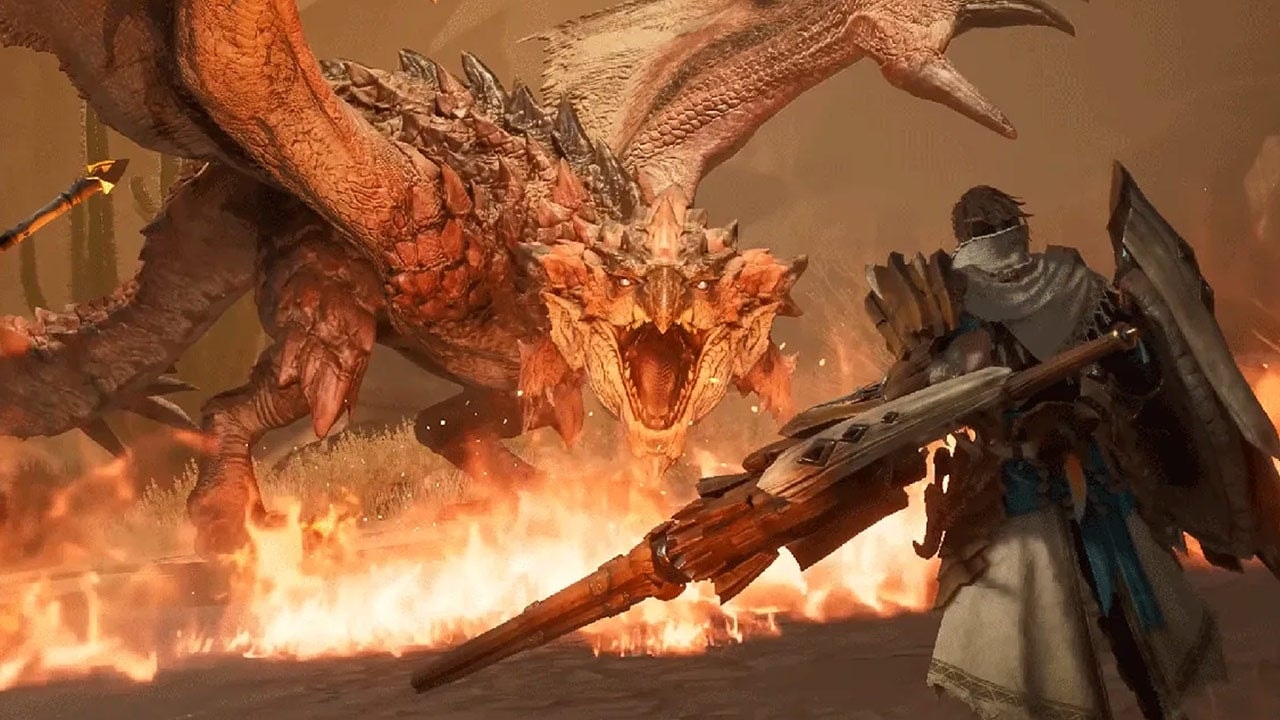
Console Scale in the World of Aesoland
When adapting games for mobile, the primary concern is often how much gameplay is sacrificed compared to console or PC versions. In the case of Monster Hunter Outlanders, the developers have kept the core gameplay loop largely intact.
The story begins with a traditional cinematic introduction: a group of researchers from the Adventurer's Guild heads to the unexplored island of Aesoland. This region is inhabited by unique 'Radiant' monsters, whose abilities are enhanced by a mineral called Radiantite. This narrative device allows developers to give classic series monsters, such as the Pukei-Pukei, new visuals and attack patterns.
The game features a sprawling open world where players can gather resources, hunt small creatures, and explore. Elements from Monster Hunter World remain, including scoutflies, buildable map outposts, ziplines, and the mechanic of monsters fighting one another. The visuals are impressive for a mobile platform, running with a stable frame rate on an iPhone 14 Plus.
Control Systems: Touchscreen vs. Controller
Due to the nature of mobile platforms, the combat system has been somewhat simplified. There are two primary control modes: Adventure Mode and Classic Mode.
Adventure Mode is designed for beginners, condensing controls into three main buttons: Attack, React, and Burst. The game handles many actions contextually; for instance, the 'React' button allows the character to dodge or use a shield depending on the timing of the input.

Classic Mode offers full mechanical control with traditional combinations. However, using this mode on a touchscreen alone is cumbersome. For the best experience, a gamepad is required, which raises the question: if you are using a controller, why not simply play the console version of the series?
Gacha Mechanics and Progression Challenges
The most controversial aspect of Monster Hunter Outlanders is its progression system and gacha elements. The game features numerous currencies that players must constantly track.
A key innovation is the 'Adventurers' system. Players can form a four-person team of NPCs, which are unlocked via a gacha system using 'Rutacoins.' Each character possesses a unique fighting style and weapon. Additionally, players can hire Palicoes and other assistants.
Progression is slower than in the main series entries. Strengthening characters and weapons, raising level caps, and building new structures requires Zenny, Rutacoins, Research Points, and a multitude of other materials. While most currencies can be earned through gameplay without spending real money, the numerous menus, endless tutorials, and the grind for resources can be exhausting during the initial hours.
Summary
Monster Hunter Outlanders successfully captures the atmosphere and combat dynamics of the iconic series on mobile screens. Its impressive graphics and narrative scale make it one of the most ambitious mobile projects to date. However, whether the game can maintain player interest in the long term—amidst gacha mechanics and intensive resource gathering—remains to be seen after the final release.