MIT Engineers Develop Soft, Smart Surface for Virtual Reality
The new flexible sensor layer uses optical fibres to track movement in 3D space.
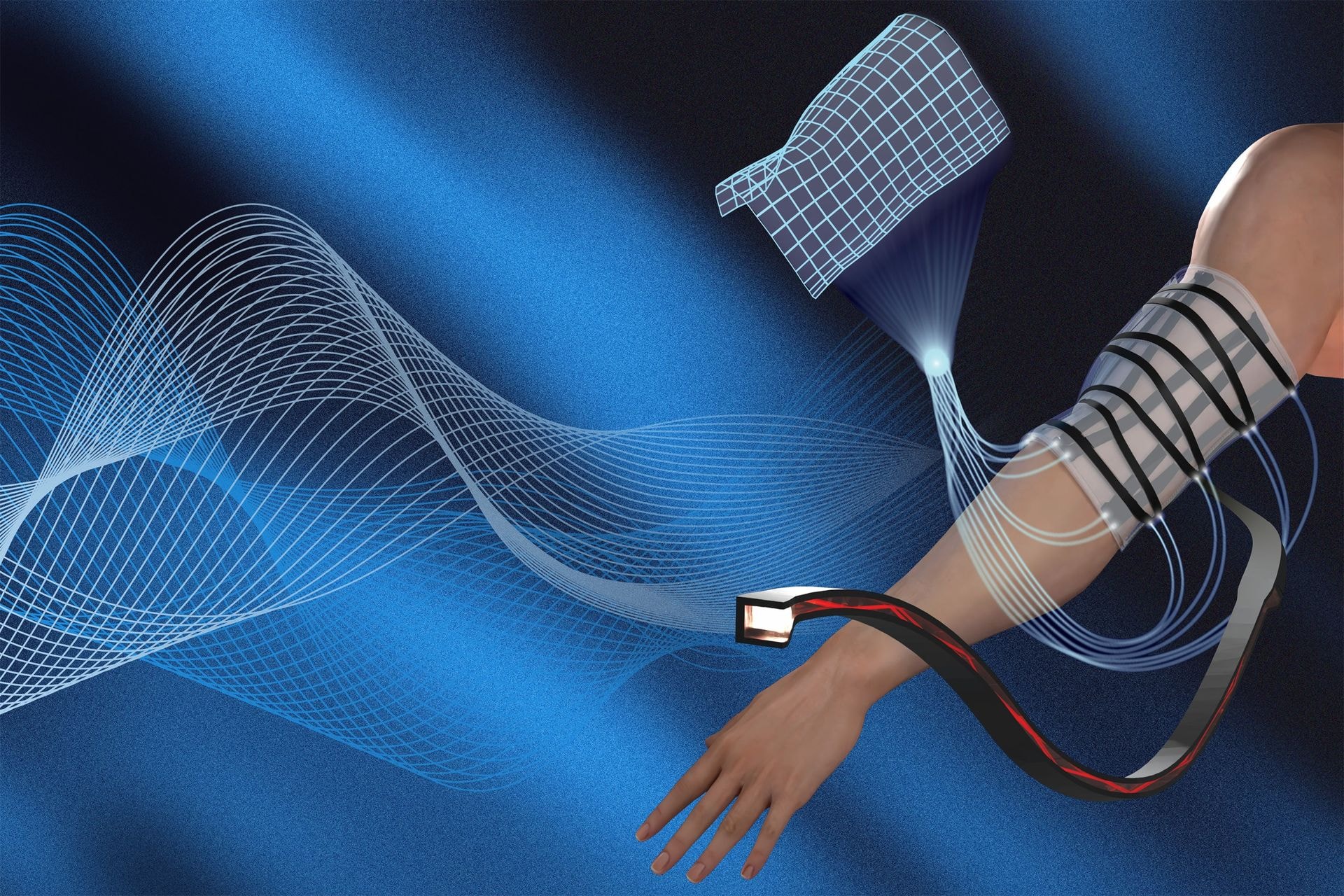
How the technology works
Engineers at the Massachusetts Institute of Technology (MIT) have developed an innovative, soft, and elastic material capable of sensing its own shape in real time. This sensor layer holds significant promise for virtual reality (VR), video gaming, and physical therapy.
The system is built on a network of optical fibres embedded within a silicone layer. Instead of traditional glass fibres, the researchers utilised flexible rubber cores wrapped in a black coating. One side of these fibres is intentionally textured, allowing the system to detect varying levels of light loss based on the direction of the bend.
Each fibre features an LED at one end and a light sensor at the other. As the layer bends, the change in light transmission is measured and processed by an algorithm into a 3D model. The prototype consists of 14 optical fibres arranged within a 16x16 cm silicone sheet. Laboratory tests demonstrated an error rate of less than half a centimetre, representing high precision for this type of device.
Durability and practical application
According to the researchers, a key advantage of this technology is its durability. Even if several optical fibres are damaged or fail, the system can still reconstruct the overall shape. This makes it more reliable than existing rigid sensor designs. Furthermore, the optical fibres react to pressure, enabling the detection of external forces, such as muscle compression during physical therapy.
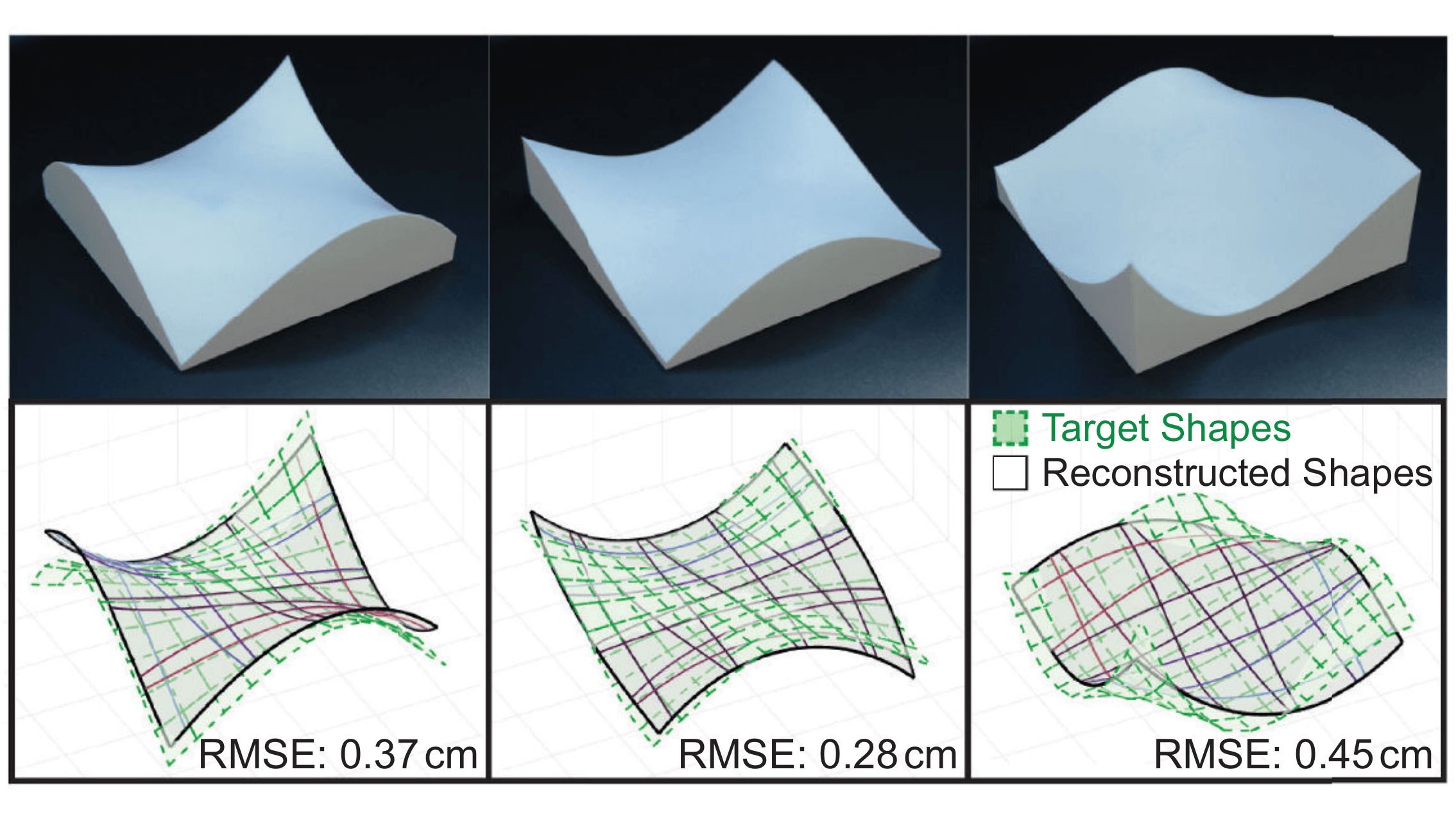
The MIT team believes this invention will allow physical therapists to measure patient progress with much greater accuracy. In the field of virtual reality, it could provide full simulation of user movements or be used for remote robot control.
Future plans
The current prototype uses 1 mm thick fibres, which are still too bulky for clothing. In the future, the researchers plan to reduce the thickness of the fibres to the micrometre scale, making them thinner than a human hair. This would allow the technology to be integrated into full-fledged "smart clothing."
There are also plans to accelerate data processing algorithms and integrate electronic components directly into the flexible layer. While the technology is still in the research phase, its potential to become a safe and flexible interface between humans and the digital world is very high. For those interested in VR technology and modern rehabilitation tools, this innovation may soon be available on the global market.