Microsoft Unveils Xbox Nano Controller With Wi-Fi for Cloud Gaming
New "Cloud connect" technology aims to eliminate latency in cloud gaming.
A New Step for Cloud Gaming
Microsoft has officially unveiled the Xbox Nano, a new compact controller priced at $50 that combines a portable design with enhanced technological capabilities. While the device was initially developed for smaller hands and improved portability, its most significant innovation lies in its support for direct Wi-Fi connectivity tailored for cloud services.
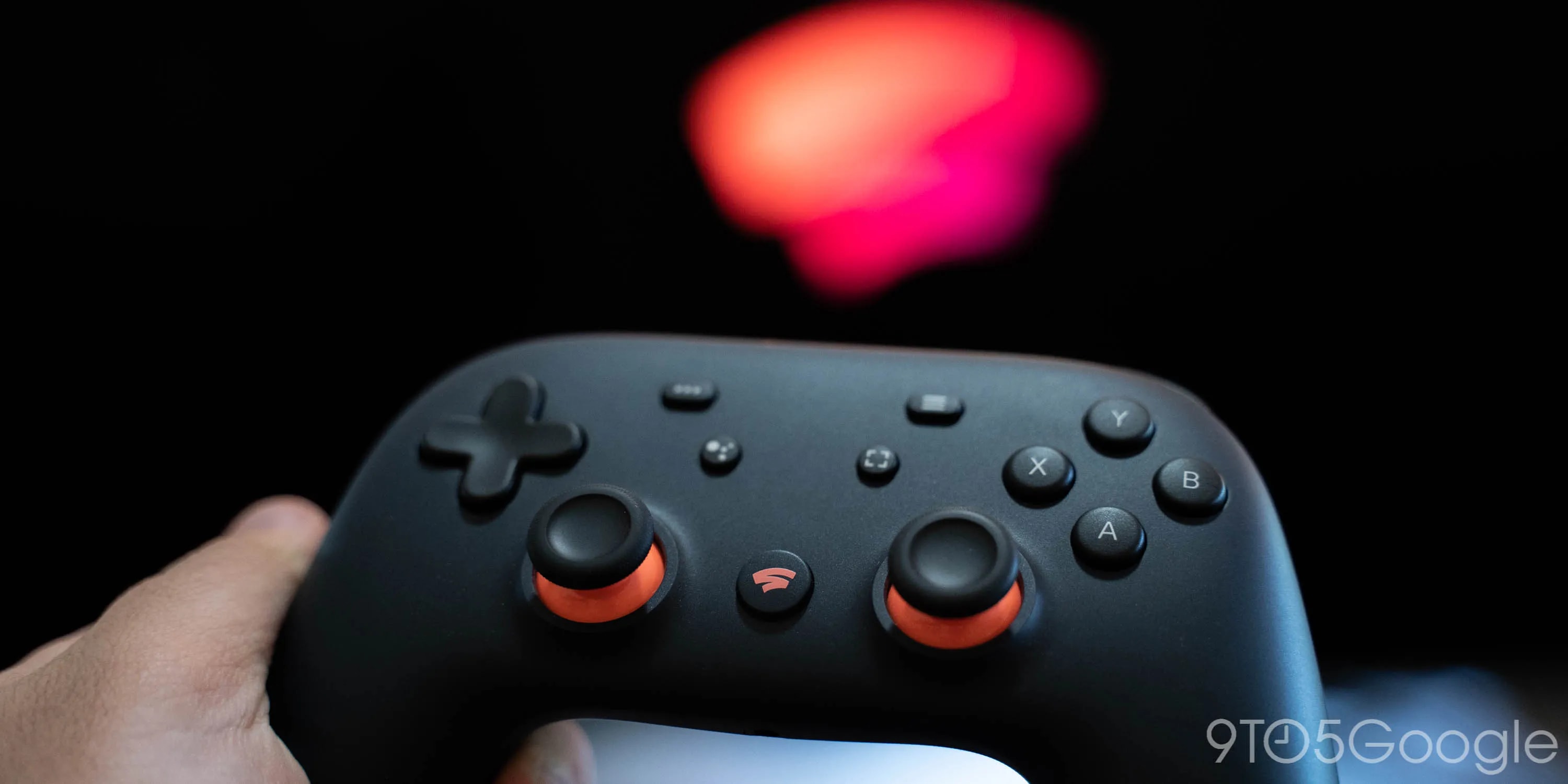
This feature, which the company calls "Cloud connect," allows users to link the controller directly to a Wi-Fi network. This approach drastically reduces latency when using Xbox Cloud Gaming, addressing a primary issue associated with previous Bluetooth-based connections. While similar technology was featured in Google’s Stadia controller years ago, it appears Microsoft has adopted and refined the concept following the closure of the Google platform.
Technological Development and Outlook
At this stage, Microsoft notes that the "Cloud connect" feature is still in development and is currently in preview mode. The company has warned users that some functionality may not work perfectly or could change in the future. Nevertheless, this decision highlights Microsoft's strategic vision: to make cloud gaming as comfortable and responsive as possible without requiring specialized hardware.
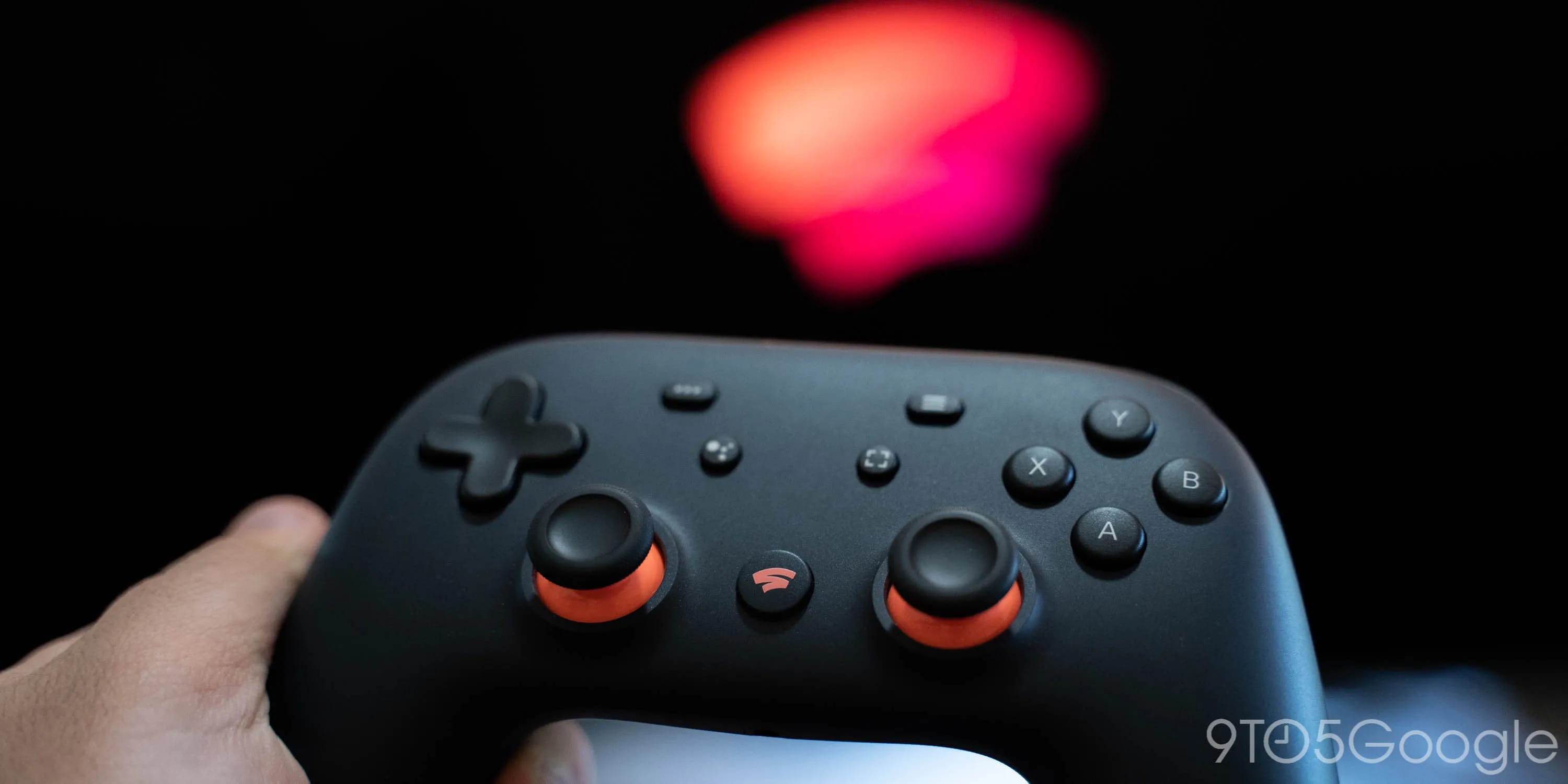
Interestingly, this technology will not be limited to the Nano model. Reports indicate that Microsoft plans to add "Cloud connect" support to future Xbox Elite controllers as well. Although a similar Wi-Fi solution is already utilized in Amazon’s Luna controller, the scale of the Xbox ecosystem suggests that the implementation of this technology will have a much greater impact on the market.
What This Means for Gamers
For users who actively engage with cloud gaming, this development is highly promising. Internet quality and latency are often the primary barriers to a seamless cloud experience, particularly when playing on smartphones or tablets. A direct Wi-Fi connection for the controller shortens the data transmission path, ensuring a more stable experience.
The launch of the Xbox Nano signals that Microsoft is serious about expanding its gaming ecosystem to any device. If the testing phase proves successful, Wi-Fi connectivity could soon become the industry standard for controllers, ultimately bridging the gap between console and cloud gaming.