Microsoft to Discontinue Copilot Support on Smart TVs
The tech giant is pivoting its AI strategy away from home entertainment devices.
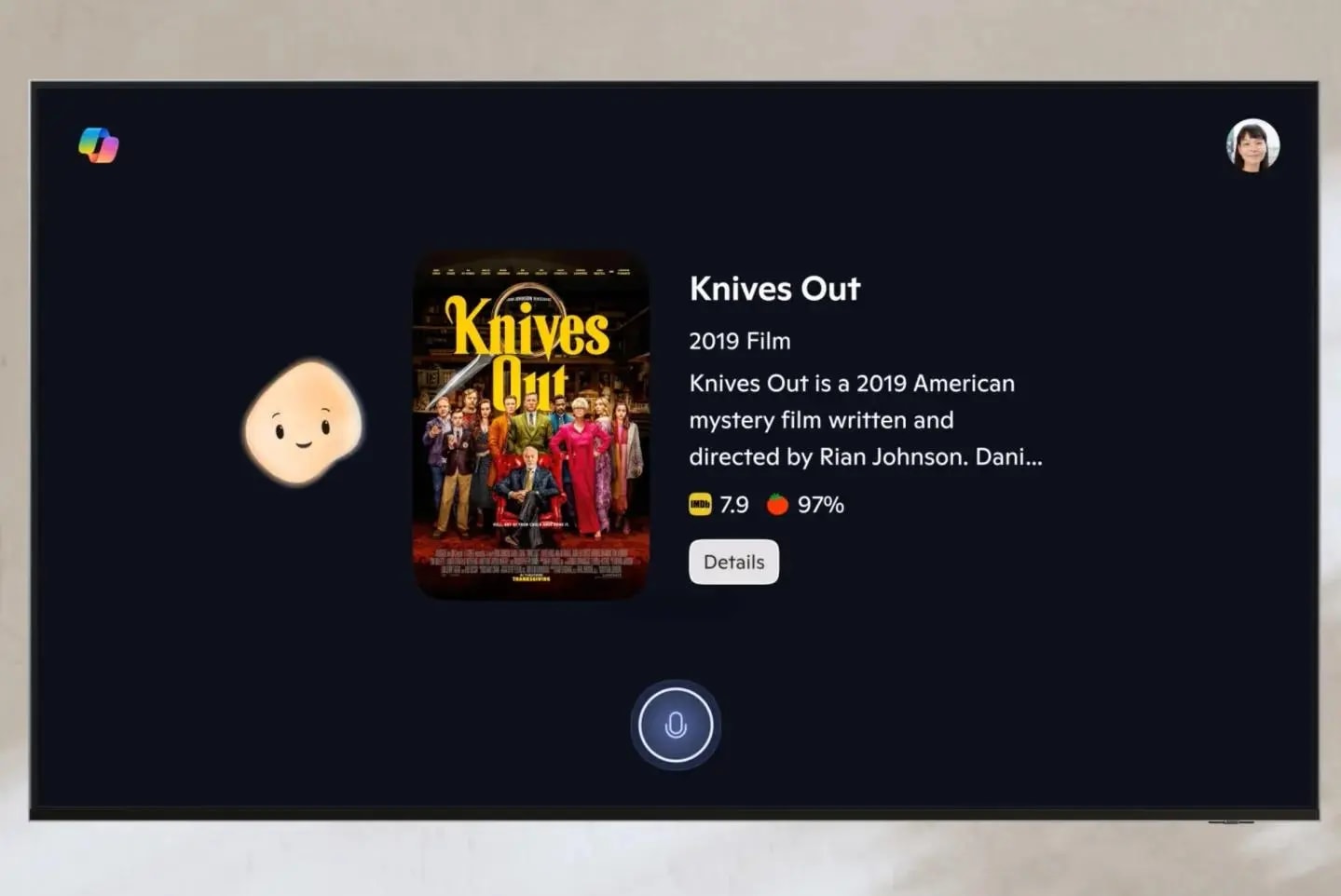
Copilot is Leaving Television Screens
Microsoft’s AI assistant, Copilot, which was introduced to the latest Samsung and LG smart TVs just two years ago in 2025, will soon cease operations. The news emerged via a notification displayed on LG television screens, informing users that support for the service is officially coming to an end.
Although the corporations have not released an official press statement, the notification clearly indicates that Microsoft has decided to terminate Copilot functionality across all television models. The process is expected to conclude throughout 2026, though a specific date remains unknown and depends entirely on Microsoft’s internal plans.
Problematic Integration and User Dissatisfaction
The integration of Copilot into televisions was met with mixed reactions from the start. Last December, LG users expressed significant frustration after a webOS update added an undeletable Copilot shortcut to the television interface. Users protested the forced addition of the application without their consent, which eventually compelled the company to provide an option to remove the shortcut.
Initially, Copilot was intended to serve as a virtual assistant on TVs, capable of answering questions about on-screen content or providing recommendations for movies and shows. However, Microsoft has since shifted its strategy, repositioning Copilot as a tool focused more on business and productivity—a direction that ultimately proved less compatible with the television format.
What This Change Means for Users
For smart TV owners, this means that the AI features they have been using will no longer be available in the near future. Microsoft’s decision confirms that the company is currently prioritizing the development of Copilot as a "super app," integrating chatbots, agents, and coding tools that are better suited for a computing environment than for home appliances.
While many smart TV users in Georgia did not actively utilize this feature, the case highlights the trend of tech giants rapidly deploying products only to suddenly discontinue them. For those who were accustomed to using the voice assistant or receiving recommendations, this change will cause some inconvenience, though it is likely that TV manufacturers will replace these features with their own, more tailored solutions in the future.