Microsoft Continues Aggressive Development of Custom AI Chips
The tech giant is set to deploy its own silicon on a multi-gigawatt scale by 2027.
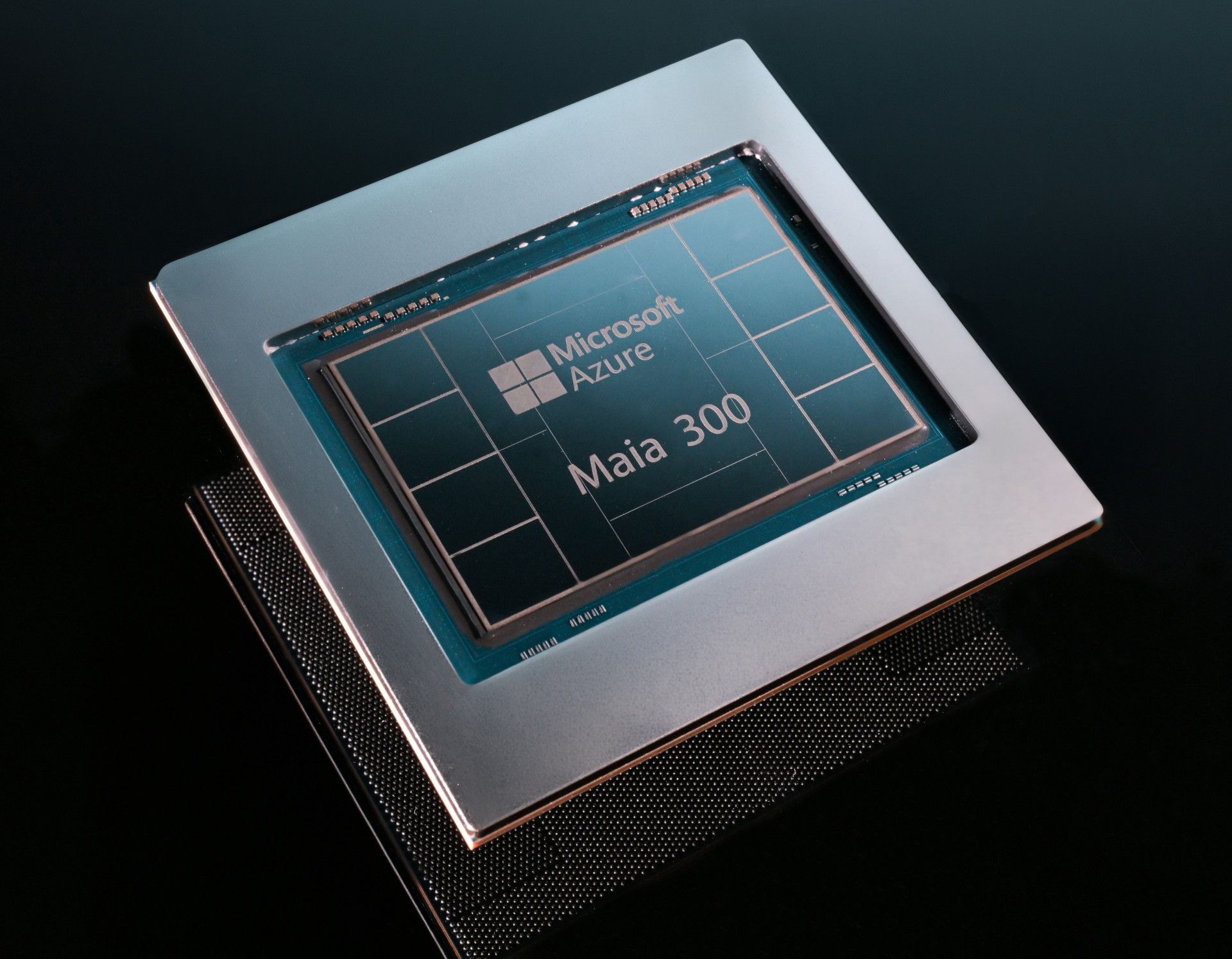
A New Phase in Microsoft’s Tech Strategy
Microsoft has officially confirmed plans to deploy its custom-made Maia 300 accelerators on a multi-gigawatt scale starting in 2027. This decision means the company will rely on its own silicon as the primary infrastructure for its products and services, including AI workloads. With this step, the tech giant joins the ranks of Google and Amazon, both of which have been developing their own specialized circuits for some time.
Technical Advantages and the Role of Memory
The architecture of the Maia 300 offers significant changes compared to its predecessor, the Maia 200. While the increase in raw computing power is modest, memory bandwidth has increased by 2.5 times. This is a strategic choice, as modern AI models—particularly during the inference process—often spend more time waiting for data from memory than performing actual calculations.
The new chip utilizes HBM4 memory stacks and the TSMC N2P production process. Microsoft states that operating the Maia 300 is 40% cheaper than using leading GPUs currently on the market, which will allow the company to significantly reduce the costs of running AI services.
What This Means for Nvidia
More than half of Nvidia’s revenue comes from hyperscalers—the largest cloud service providers—who are currently dependent on its products. When a company like Microsoft shifts to its own chips, it automatically puts pressure on Nvidia’s high margins, as the customer effectively pays a price closer to production costs rather than the premium for a ready-made product.
However, market analysts note that this does not mean a complete abandonment of Nvidia. Microsoft and other companies will continue to use Nvidia chips for training models, a process that requires massive computing resources. Furthermore, the demand for artificial intelligence is currently so high that the industry requires every available resource.
Impact on the Global Market
For users and businesses that rely on Azure cloud services, this shift could have a positive impact in the future. If Microsoft succeeds in significantly lowering the cost of running AI services, it could potentially lead to more affordable prices for cloud computing and AI tools. While chip manufacturing is a global process, the results—faster and cheaper artificial intelligence—will inevitably be felt across the global market.