Meta’s New VR Glasses: A Lightweight Design and Impressive Capabilities
Meta unveils its next-generation VR glasses, featuring a comfortable, ergonomic design and powerful technical specifications.

A New Approach to Virtual Reality
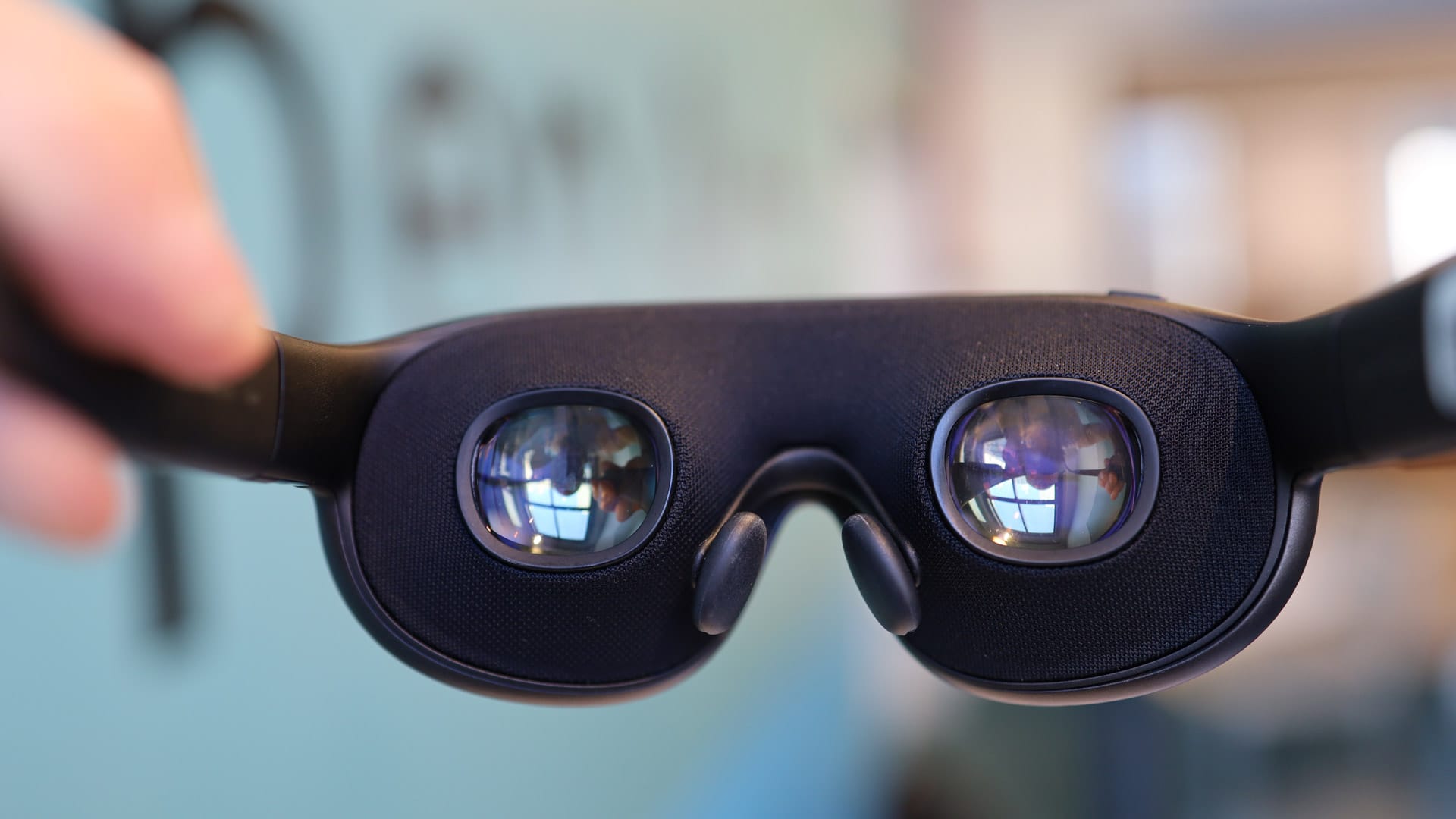
Meta has taken a significant step forward in the virtual and mixed reality market. The company’s latest VR glasses, set to launch next spring, mark a radical departure from previous models. Priced at $1,299, the device is distinguished by its lightweight and ergonomic design, making it comfortable for hours of continuous use.
The primary innovation lies in offloading the computing resources, memory, and battery into a separate, pocket-sized module. This design choice keeps the glasses themselves at a weight of only 100 grams, freeing the user from heavy and cumbersome headgear. As a result, the device resembles a pair of slightly oversized sunglasses more than a traditional VR headset.
Technological Capabilities and Functionality
Despite its compact size, the glasses are equipped with a 5K resolution Micro-OLED display, offering high-quality visuals. The device utilizes advanced eye and hand-tracking technology, allowing users to control the interface with simple gestures. For example, a new "scroll" gesture is performed by clenching a fist and moving the thumb, making interaction intuitively simple.
For productivity, the glasses offer the ability to create a virtual workspace. Users can arrange multiple screens, adjust their size and position, or use the "surface keyboard" feature to type on a virtual keyboard projected onto a desk. This functionality is particularly appealing to the business sector and remote professionals.
Entertainment Potential and the Future
In terms of entertainment, the device offers 8K resolution virtual concerts and sports events, placing the user directly on the field or stage. Meta states that over 75 games will be available at launch, all specifically adapted for hand-tracking controls. Hardware-wise, the device is powered by the Qualcomm Snapdragon Reality Elite (XR2 Gen 3) processor, ensuring sufficient power for both professional applications and media content.
While such technologies remain niche in markets like Georgia, their development suggests that virtual reality may eventually become an integral part of daily workflows. The main challenge remains the price, yet the $1,299 price point is significantly lower than some competing alternatives currently on the market, making it more accessible to technology enthusiasts.