Meta Updates Muse AI Assistant with New Voice and Visual Capabilities
The personal AI agent now offers real-time conversational features and emotive, animated avatars.
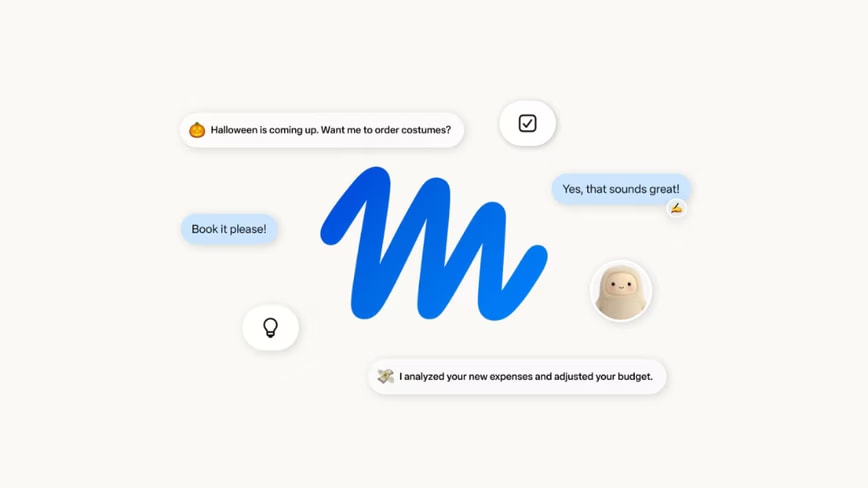
Meta has unveiled a significant update for its AI assistant, Muse. The application now features real-time voice communication, allowing users to engage in direct conversation with the AI instead of relying on text messages. This development brings Muse closer to human-like interaction, a core strategic goal for the company.
Interactive Avatars and Real-Time Response
As part of the update, Muse has received an animated avatar that reacts to the tone of the conversation. The avatar displays emotions, uses gestures, and responds to the user even while they are still speaking. Users have full control over the interface: they can expand the avatar to full screen, keep it to the side, or disable it entirely to work in voice-only mode.
Notably, the Muse voice system allows users to interrupt the assistant at any time, with the AI responding instantly. Additionally, the application supports multitasking; while conversing, Muse can perform background tasks such as planning trips or drafting presentations.
Technological Capabilities and Personalisation
The new visual system is powered by the Muse Realtime Avatar model, developed by Meta Superintelligence Labs. According to the company, internal testing indicates that users prefer Meta’s avatars over competing solutions from companies like Runway and HeyGen. Furthermore, Muse offers hundreds of distinct voice personas, and in the near future, users will be able to adjust voice settings—including accents and speech tempo—via descriptive prompts.
Muse’s Place in the Meta Ecosystem
Muse, first introduced in September, serves as Meta’s answer to popular AI agents like ChatGPT. Built on the Muse Spark model family, it is already capable of managing emails, online shopping, and controlling computer applications. This update is part of Meta’s large-scale investment in artificial intelligence, encompassing both software and infrastructure projects, such as the Hyperion data centre in Louisiana.
Currently, the feature is available only to users in the United States via the application, web browsers, and Mac devices. However, Meta plans to integrate voice conversations into its smart glasses and the portable Muse Charm device. While the service is currently restricted in regions like Georgia, such technological progress illustrates the trajectory of AI agents: they are evolving from simple assistants into interactive digital companions.