Meta Funds 25 Electric Trucks, but Won't Use Them
The company is leveraging environmental certificates to support the transition to electric logistics without operating the fleet itself.
An Innovative Approach to Reducing Emissions
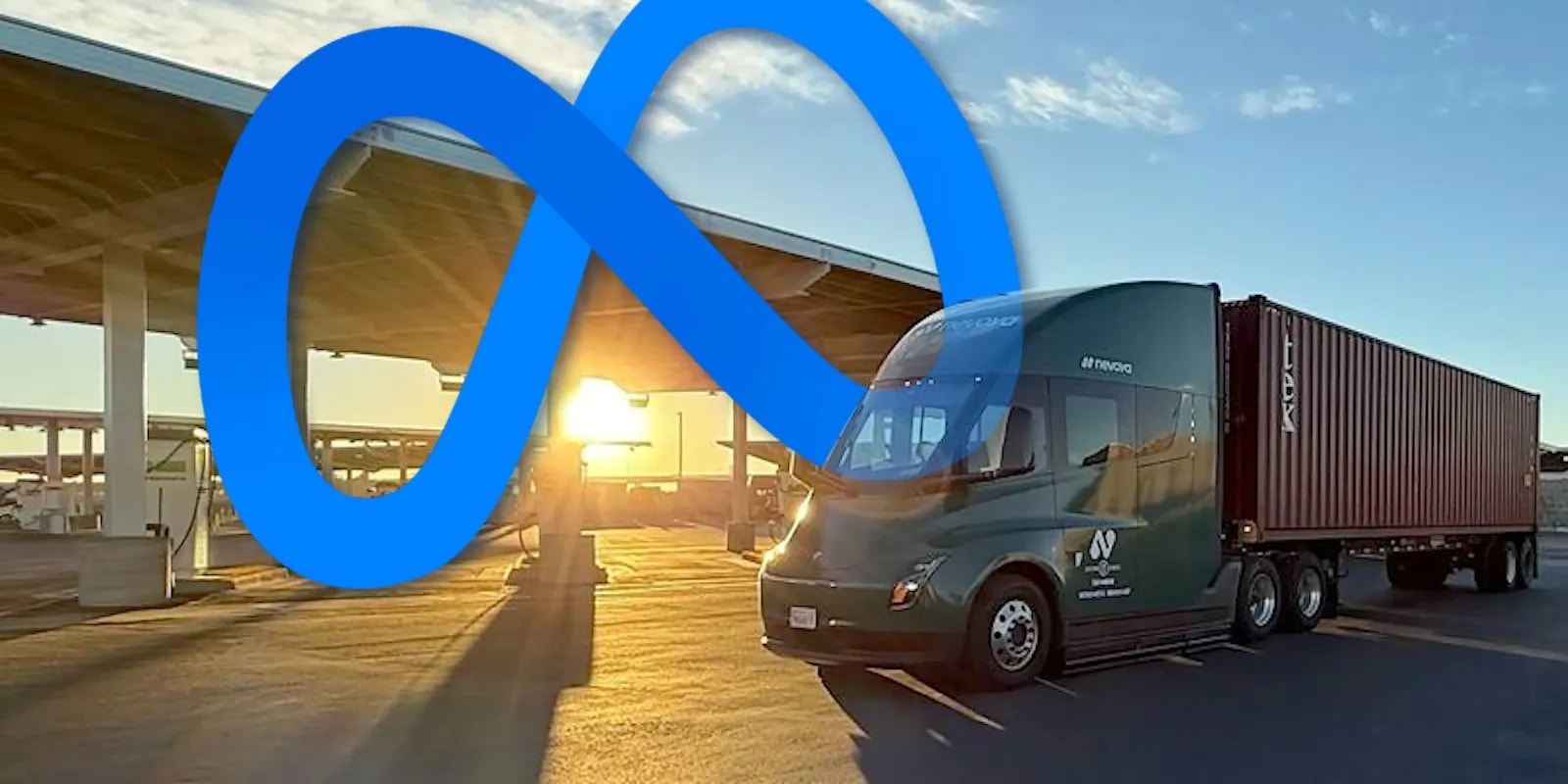
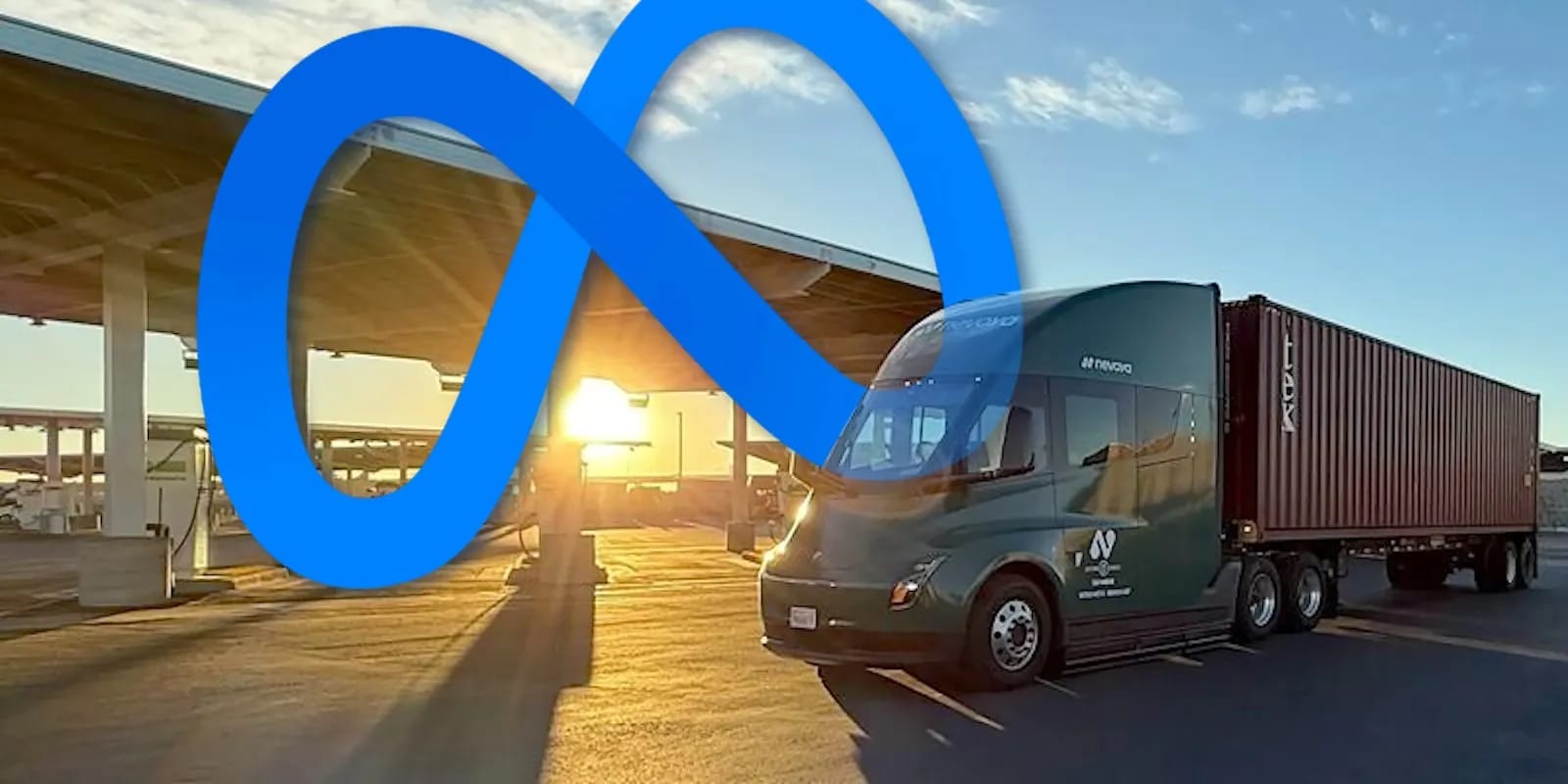
Meta, the parent company of Facebook, has entered into a new agreement with electric truck operator Nevoya. The project will deploy 25 new heavy-duty electric trucks along Interstate 10, connecting San Bernardino, California, and Phoenix, Arizona. Despite the investment, Meta will not use these vehicles to transport its own products, nor will it be involved in hiring drivers.
This initiative is based on Environmental Attribute Certificates (EACs). This carbon credit mechanism allows companies to claim the ecological benefits of electric transport on their own records, even if they do not operate the vehicles themselves. According to Meta spokesperson Devon Lake, this move is part of the company's strategy to reduce its Scope 3 emissions, which encompass indirect greenhouse gas emissions.
Why is Meta Funding External Transport?
For Meta, this decision serves as a way to offset emissions related to the construction and operation of its data centres. The company aims to help establish transport corridors where electric trucks can become commercially competitive. This contract with Nevoya is a direct partnership, providing Meta with a framework for implementing similar projects in the future.
This is not the first instance of such an initiative. Previously, Meta participated alongside other companies in the Green Market Activation (GMA) alliance to fund the deployment of 63 electric trucks between Houston and Dallas. However, this new agreement is independent and built entirely on the partnership between Meta and Nevoya.
What Impact Will This Project Have?
Nevoya projects that from 2027, these 25 trucks will cover more than 4 million kilometres annually. Industry experts describe this approach as the first large-scale application of zero-emission freight shipping. Such mechanisms help client companies overcome barriers to transitioning to electric vehicles, while allowing operators to deploy trucks where they hold the greatest commercial and operational value.
For readers in Georgia, this example is noteworthy for how large corporations can utilise innovative financial instruments to meet corporate social responsibility and environmental goals. While electric truck infrastructure is still in the development stage, such schemes significantly accelerate the adoption of green technologies within global logistics chains.