Masahiro Sakurai: AI-Generated Games Lack Real Potential
The legendary designer warns that mass-produced AI titles cannot replace human creativity.
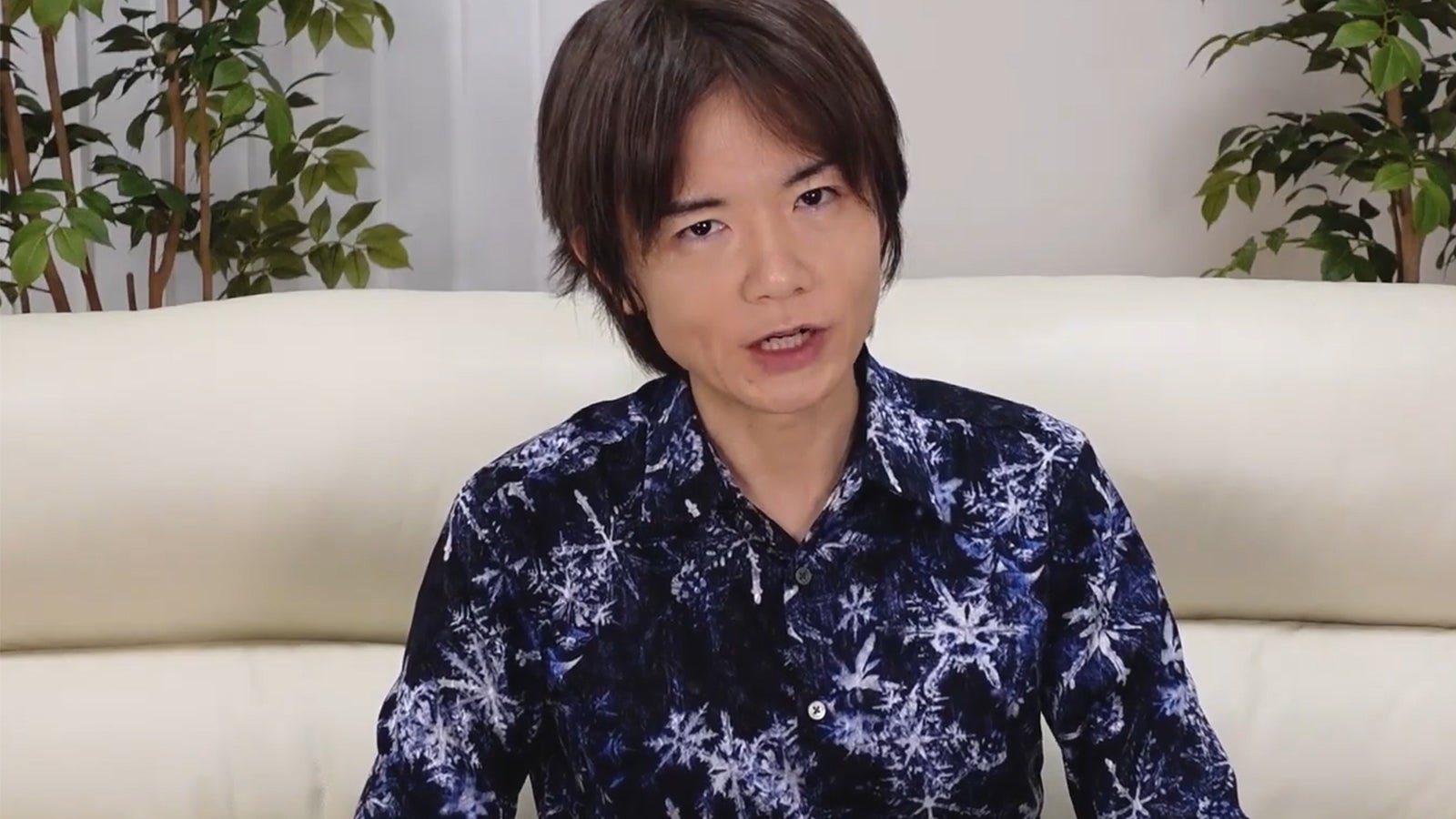
A Crisis of Creativity or a New Era?
The integration of artificial intelligence into the video game industry is no longer a future prospect; it is a reality. However, legendary game designer and creator of the Super Smash Bros. series, Masahiro Sakurai, remains skeptical of this trend. He believes that AI-generated games are merely "low-quality products" that will never be able to compete with works created by humans, which are infused with genuine spirit.
Sakurai voiced this opinion after reviewing the sharp increase in the number of games on Steam. Since 2010, the number of titles available on the platform has grown from 275 to 19,000. While the designer is convinced that this figure will rise even faster due to AI, he dismisses the majority of these titles as "unprofitable projects."
Why Algorithms Cannot Replace Artists
According to Sakurai, artificial intelligence is not a creative force; it merely processes and imitates existing data. "AI is based on what has already been created, but it cannot create something that has never existed before," the designer states. He notes that modern AI games often repeat the same simple mechanics, such as puzzles or minor simulators, which he believes are entirely devoid of originality.
As an example, he pointed to the work of Fumito Ueda. Games such as ICO and Shadow of the Colossus possess a unique atmosphere and style that are the result of a human vision. Sakurai believes that while AI might attempt to copy such environments, it will never grasp the depth that a creator imbues into their work.
What Awaits the Industry?
Today, as major companies, including Epic Games, plan to shift toward "AI-first" models, Sakurai’s position is particularly significant. He believes that in an era of mass production and low-quality goods, authors who forge their own paths and maintain a unique style will be increasingly valued.
Although modders and developers are actively using AI for porting games or creating new content, Sakurai’s vision offers hope that technological progress will not eliminate the need for human creativity. For players and developers, this serves as a call to focus not on quantity, but on the unique experiences that only a human can create.
Sakurai, who recently decided to step down from the Japan Game Awards jury after 16 years of service, remains a primary moral compass for the industry, reminding us that games are, first and foremost, art, rather than just products built from code.