MapQuest Adds New Surveillance Camera Layer to Its Maps
A Detailed Map of Surveillance Cameras
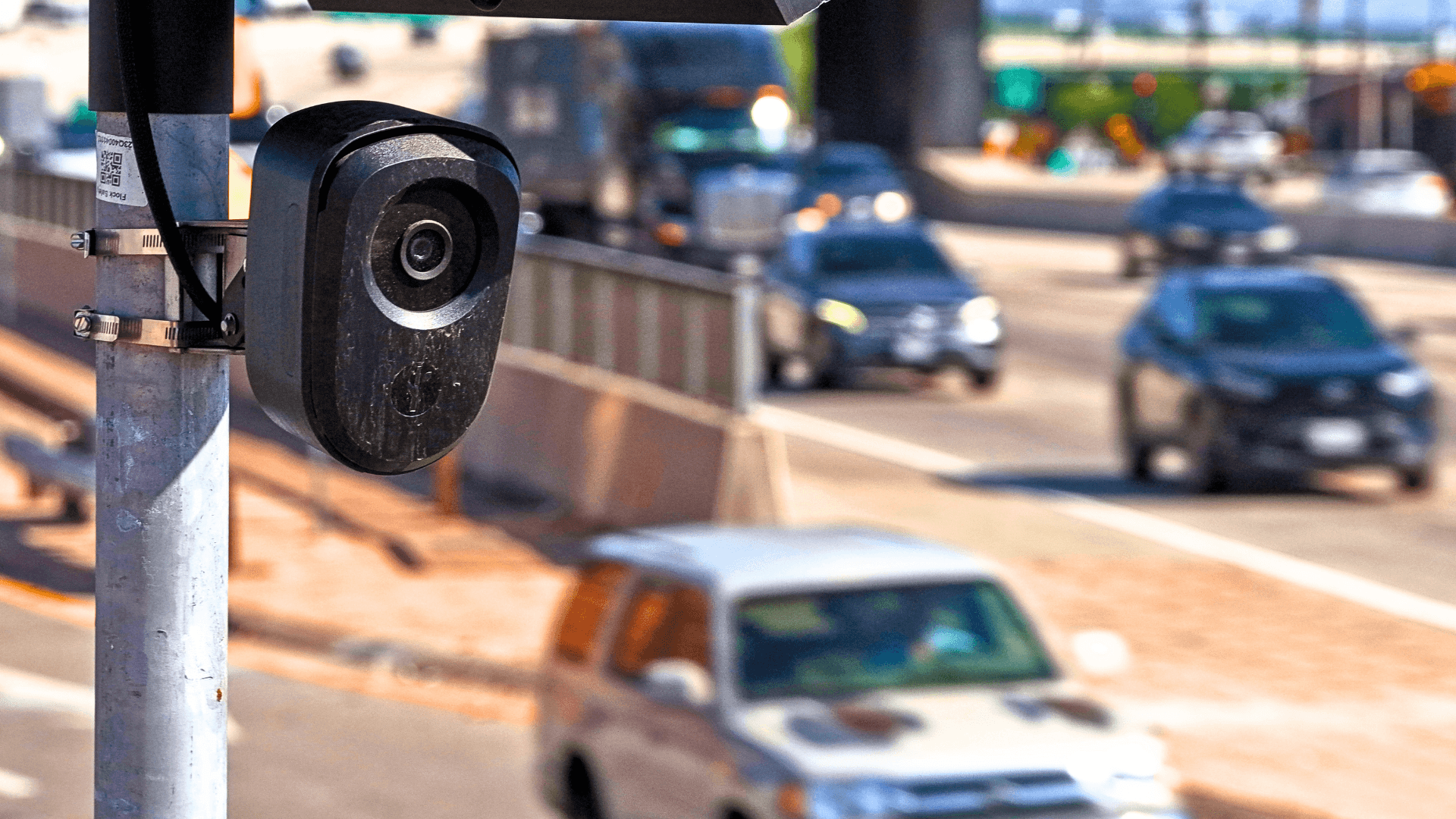
Navigation service MapQuest has introduced a new update that allows users to view the locations of surveillance cameras, specifically automated license plate recognition (ALPR) systems. When the new 'Surveillance Layer' is activated, the map displays information about devices installed by various companies, including Flock Safety, Motorola Solutions (Vigilant), Genetec, Axis Communications, Axon, Leonardo (ELSAG), Neology, Rekor, PlateSmart, Ubicquia, and Verkada.
The feature goes beyond simple location tracking; the map also indicates the direction the cameras are facing. This allows drivers to avoid routes monitored by these systems if they choose. While it remains unclear what sources MapQuest used to build this database, the system functions similarly to maps previously created by independent researchers.
Privacy or Security?
The proliferation of surveillance cameras remains a subject of ongoing debate. Law enforcement and city officials often argue that these technologies assist in crime prevention and tracking suspects. However, critics contend that these systems pose a significant threat to personal privacy. There have been numerous documented cases where police misused the systems or harassed innocent citizens due to administrative errors, leading some cities to begin dismantling them.
The discussion intensifies when cameras are integrated into federal or national networks, allowing police to track vehicles across cities and regions without a court order. Notably, police departments often resist such initiatives; similar opposition occurred in 2015 when Waze added a feature allowing users to share the locations of police patrols.
What This Means for Drivers
MapQuest's new layer is intended for drivers who wish to maximise the privacy of their movements. In practice, however, completely avoiding cameras is difficult, particularly in areas with dense surveillance coverage. Additionally, there is active discussion on social media regarding methods to 'blind' cameras, such as using a 'Flock Sock,' though such actions often conflict with the law.
For regions where video surveillance and automated ticketing systems are highly developed, the emergence of such services is likely to spark further debate. While the MapQuest update is currently focused on the North American market, the technological trend is clear: users are increasingly seeking to control who monitors their daily commutes and where that monitoring takes place.