Major Disruptions End Across US Aviation System
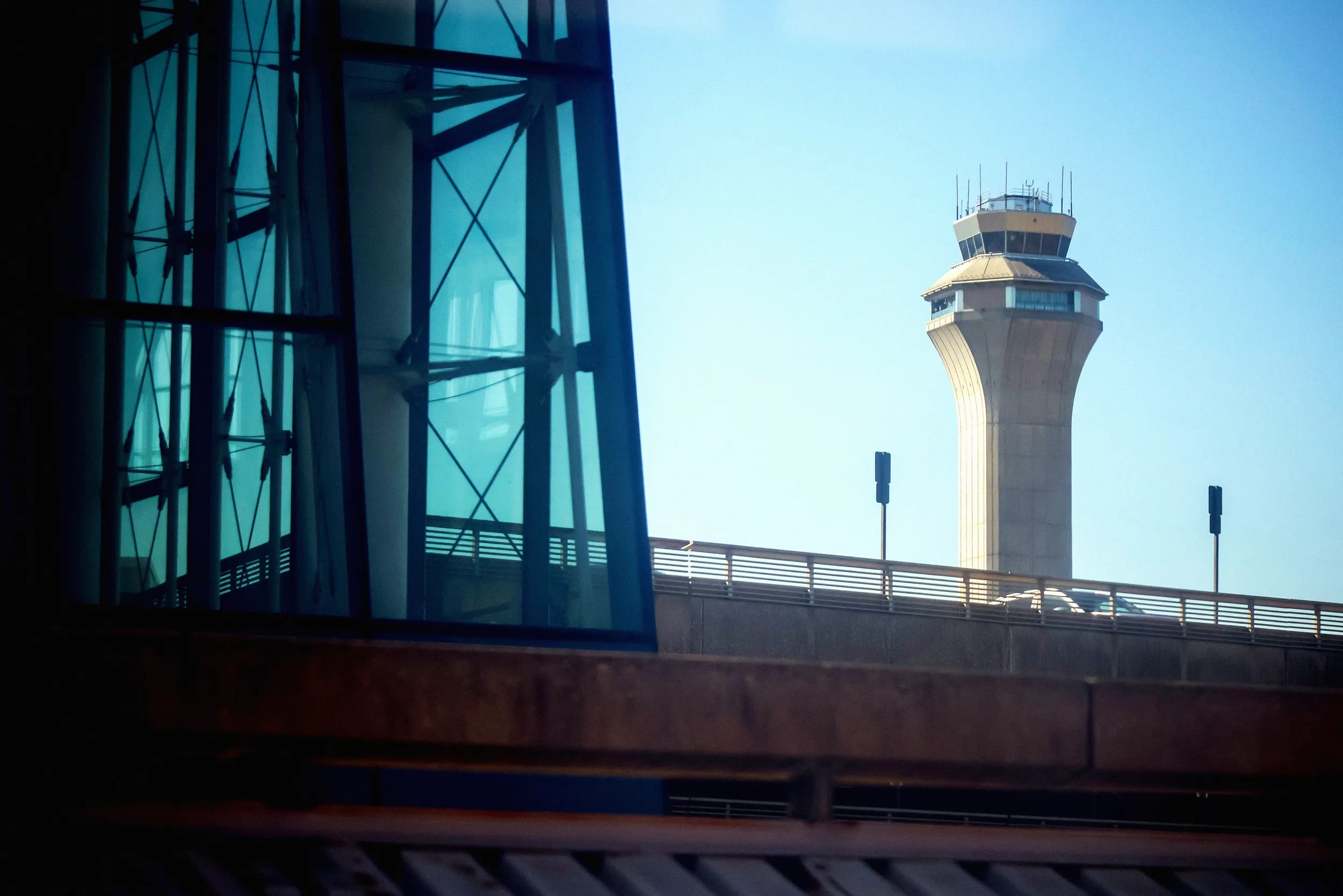
The Federal Aviation Administration (FAA) has officially lifted the widespread restrictions that left US air travel paralysed for five hours. This incident marks the most significant disruption to the American aviation system since the events of 11 September. Despite the resumption of flights, flight data provider FlightAware reports that over 6,300 flights were cancelled, with more than 9,500 delayed. Airlines are expected to require several days, or potentially weeks, to fully restore their schedules.
What caused the systemic collapse?
The primary cause of the outage was a failure in the FAA’s Telecommunications Infrastructure (FTI), a closed network that facilitates communication between air traffic controllers and pilots. During a White House briefing, US Secretary of Transportation Sean Duffy stated that the issue was caused by "outdated switches and routers," compounded by data overloading.
The FAA is currently engaged in a multi-year modernisation project to replace decades-old copper wiring with high-speed fibre-optic cables. Secretary of Homeland Security Markwayne Mullin explained that changes made while integrating new equipment into the system caused the legacy infrastructure to overload. While the possibility of a cyberattack has not been entirely ruled out, there is currently no evidence to suggest such a threat.
Problematic modernisation and future plans
The system is managed by contractor L3Harris Technologies. The company’s website claims they possess the expertise to modernise air traffic management systems without disrupting air travel. However, as of May this year, the company reported that only 50 per cent of the modernisation project had been completed.
The situation is further complicated by a report from the US Government Accountability Office (GAO), which warned the FAA back in September that accelerating the modernisation process could compromise quality and safety. The report noted that the FAA lacks a unified plan and currently manages over 11,000 inconsistent schedules.
The Secretary of Transportation has now requested a significant increase in funding from Congress. The request has risen from an initial $30.1 billion to $50 billion, which would be directed toward a complete overhaul of airport infrastructure and communication networks. The US administration aims to fully modernise the air traffic control system by the end of 2028 to accommodate the future integration of drones and "air taxis" (eVTOL).