Major Cyberattack Targets Supermarket Refrigeration Systems in Europe
Hackers remotely manipulated cooling systems, causing widespread food spoilage across major European retail chains.
A New Target for Critical Infrastructure
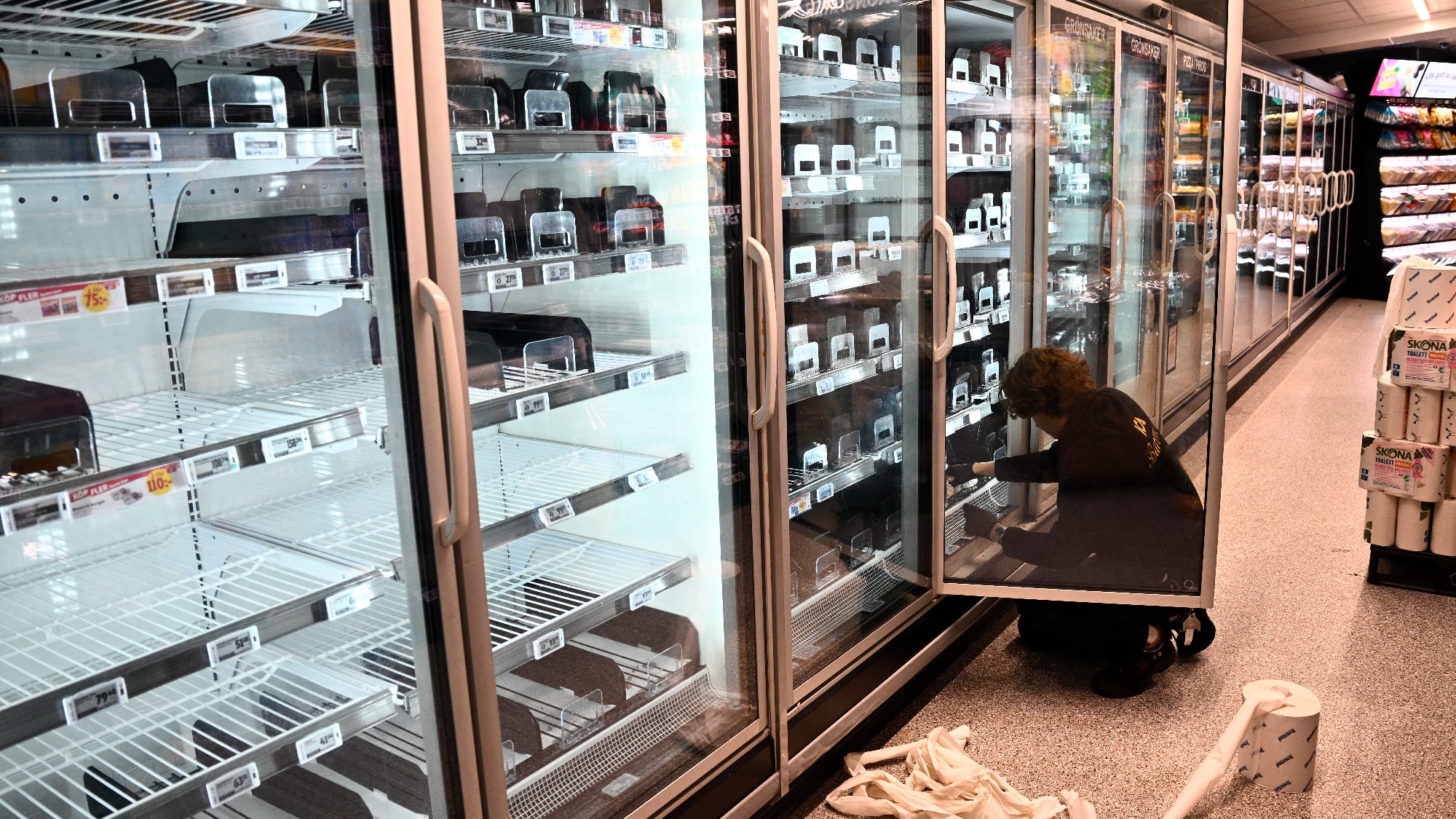
European supermarket chains have fallen victim to a sophisticated cyberattack. In Belgium and Sweden, attackers gained remote access to refrigeration control systems, forcing temperatures up to 50°C. This incident, which mirrors an attack in France several weeks ago, resulted in the total loss of all perishable goods stored within the units.
The breach targeted major retail chains including Delhaize, Carrefour, Spar, ICA, and Coop. According to Sabcobel, a company providing technical maintenance for cooling systems in Belgium, at least twenty units have been compromised. In Sweden, footage circulating on social media shows supermarket staff disposing of large quantities of spoiled food.
Attack Methods and Security Vulnerabilities
Hackers exploited the built-in automatic defrost function of the refrigeration units, remotely overriding its parameters. By forcing the systems from cooling mode into defrost mode, the attackers caused a rapid temperature spike. This event highlights the inherent risks associated with modern, internet-connected industrial equipment.
Sabcobel CEO Stefan Moelans stated that while the company is working to secure its systems, the affected devices require physical modifications. As a temporary measure, experts recommend isolating refrigeration systems within secure, private networks—a step many European supermarkets have already taken following the initial attack in France.
Cybersecurity and the Role of Artificial Intelligence
This incident serves as a concerning reminder of society's dependence on the internet and how digital vulnerabilities can cause significant physical damage. Experts note that the rise in cyberattacks is linked to the development of Artificial Intelligence (AI) agents.
AI models now allow hackers to execute complex attacks without requiring specialized technical expertise. For instance, in October, a case in South Korea saw hackers use AI agents to steal data from 25,000 bank customers. The current reality demonstrates that digital security standards require urgent revision to prevent further economic losses and infrastructure crises.