macOS 27.3 Update Brings Live Activities to All Macs
The new update integrates real-time tracking directly into the menu bar.
New Functionality for Apple Computers
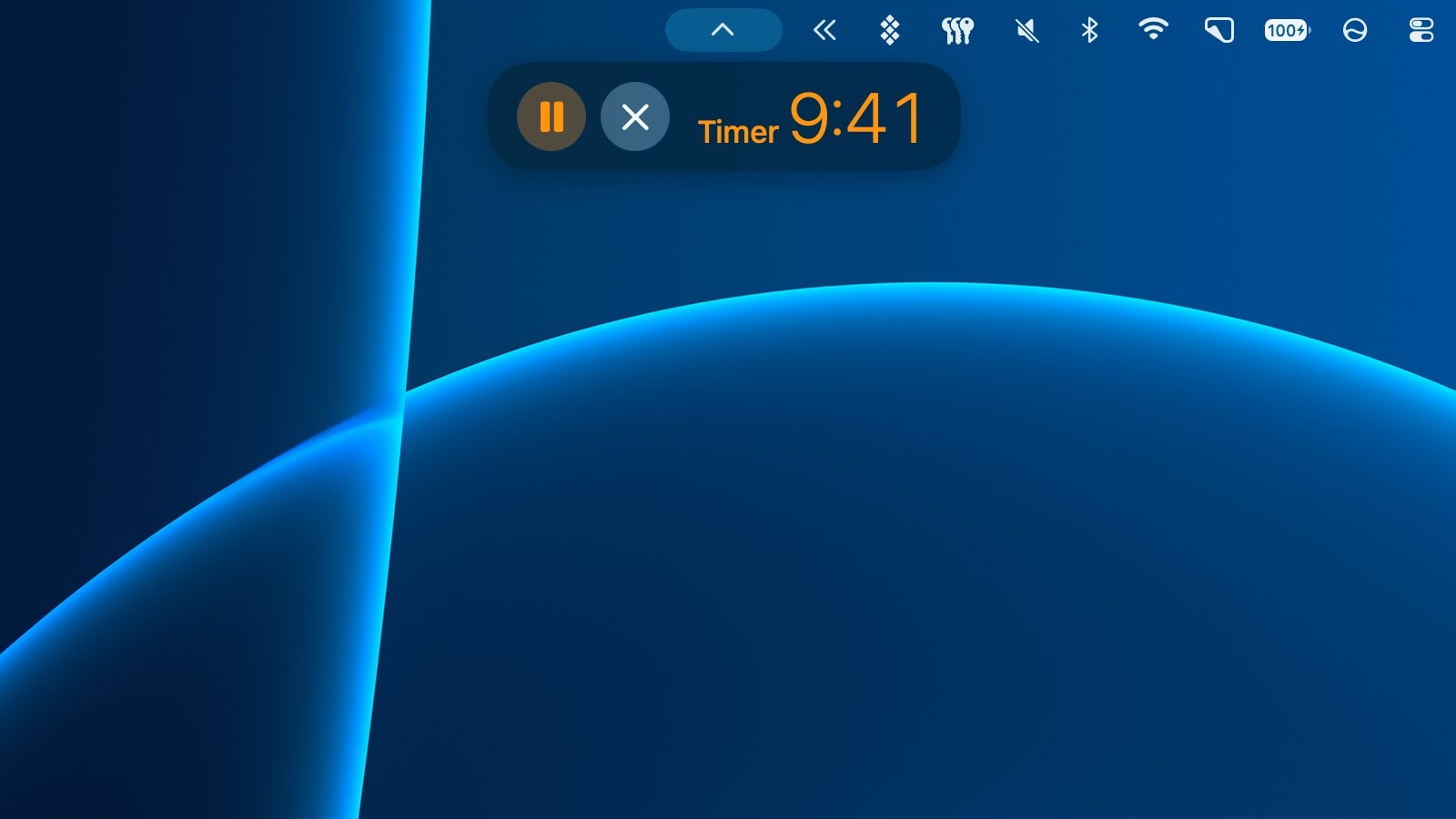
Apple has released the developer beta of macOS 27.3, introducing a significant update. The Live Activities feature, previously limited to newer MacBook Pro models equipped with the Dynamic Island, is now being integrated directly into the macOS menu bar. This means users with older Apple silicon models will no longer miss out on this convenient functionality.
The update is officially scheduled for release in December and is set to streamline daily workflows. Initially, the feature will support Apple's own applications, including Apple Music, Clock, and Voice Memos. Third-party developers have already been granted access to the API to implement this capability within their own software.
What is Live Activities and Why Does It Matter
Live Activities is a tool that allows users to track ongoing events in real time without needing to open an application. Whether it is controlling music playback, confirming AirDrop requests, or monitoring a timer, everything becomes accessible at a glance within the menu bar. According to Apple, this approach saves time and provides users with greater control over their computer's interface.
It is worth noting that since the release of macOS 26, Macs have had the ability to mirror Live Activities from an iPhone. However, the macOS 27.3 update makes this a truly native feature for the operating system. This change is particularly significant for users who frequently work with multiple applications and require rapid access to information.
What This Means for Users
Apple hardware is highly popular, particularly among professionals who rely on MacBooks. Enhancements to the macOS ecosystem directly improve productivity. Even in regions without an official Apple Store, software updates are made available to all users simultaneously.
Once the update becomes public, Mac owners will be able to monitor the status of their favourite services directly from the top panel of their screen. This is part of Apple's broader strategy to align the user experience between iOS and macOS, ultimately creating a more comfortable and cohesive environment for users.