Legendary Sci-Fi Magazine Starlog Returns to Print
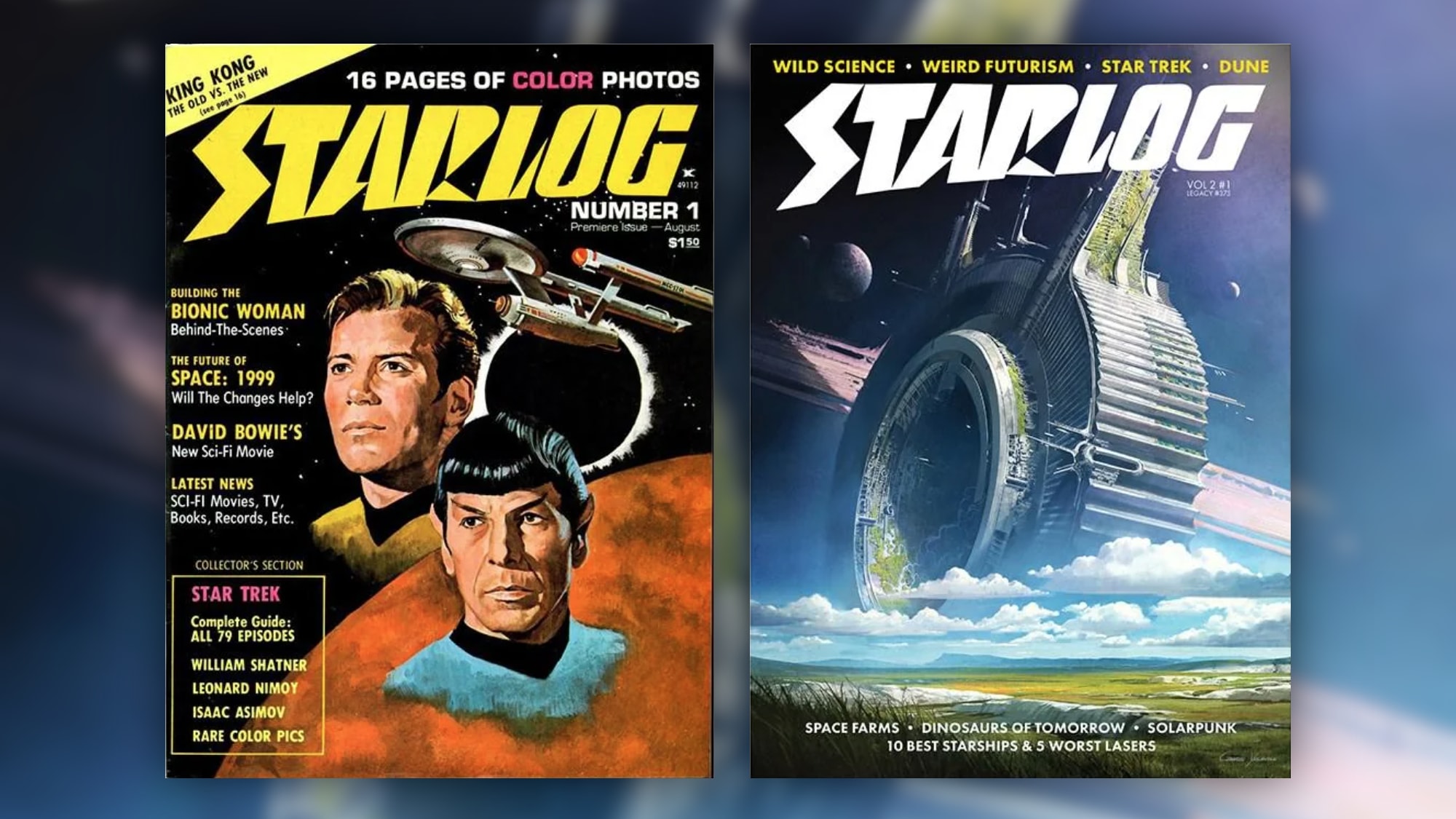
After a 17-year hiatus, the iconic publication returns in an annual print format to celebrate its 50th anniversary.
A Classic Returns in a New Format
For science fiction enthusiasts, 2026 marks a special milestone: the return of Starlog, one of the most significant publications in the history of the genre. After a 17-year break, readers will once again be able to hold a new, annual print edition of the iconic magazine. While the official launch is scheduled for November 13, pre-orders are already available.
Starlog’s history began in 1976, even before the Star Wars phenomenon existed. The magazine quickly gained popularity through detailed interviews, behind-the-scenes photography, film and television reviews, and analysis of visual effects (VFX). In 2009, due to the influence of the digital age and declining readership, the magazine ceased operations. However, today, with interest in print media growing amid "digital fatigue," Fangoria Holdings has decided to revive the publication.
Anniversary and New Concept
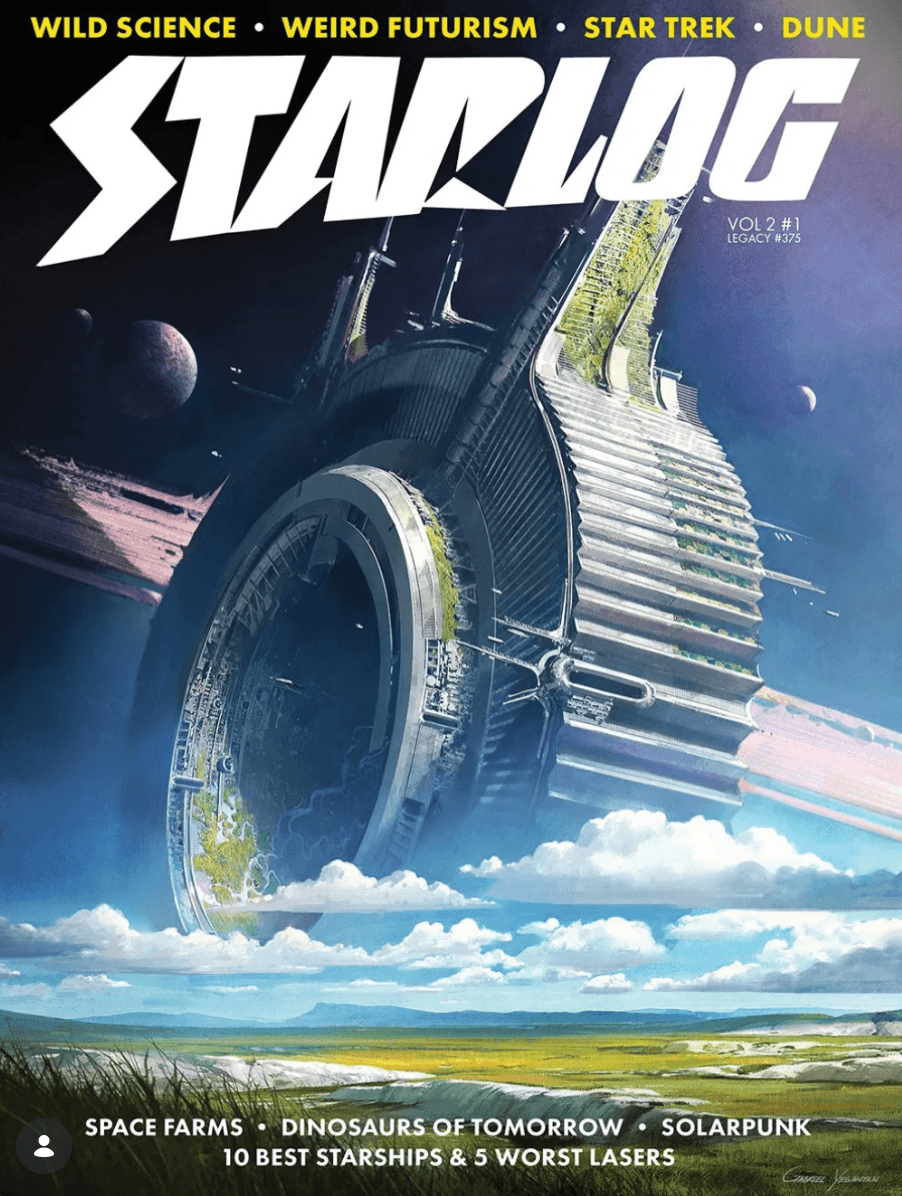
The magazine's return coincides perfectly with its 50th anniversary. The cover of the new issue, number 375, features artwork by Armenian artist Gabriel Yeganian, highlighting the publication's tradition of offering high-quality visual art. The role of editor-in-chief will be filled by io9 co-founder Annalee Newitz.
According to Fangoria representative Tara Ansley, the line between science fiction and real technological achievements is becoming increasingly blurred in today's reality. This is why the return of Starlog is particularly relevant. The publication will continue to explore fundamental questions about how we live, what we create, and what kind of future we wish to build.
What This Means for Fans
The revival of Starlog is not merely an act of nostalgia. It is an effort to preserve the in-depth journalism that for decades united fans of Star Trek, Alien, and other iconic franchises. Even though we can easily access information via the internet today, the return of a print publication indicates that the demand for high-quality, curated content remains strong.
For readers who follow global technological and cultural trends, this news is significant as an example of both media market shifts and the reincarnation of cult brands. The return of Starlog confirms once again that when it comes to quality content, traditional formats can still find their place in the modern technological era.