Kia Begins Testing Remote-Controlled Vehicles in South Korea
The new service aims to streamline car rentals by removing the need for human drivers during vehicle delivery and collection.
An Innovative Approach to Car-Sharing
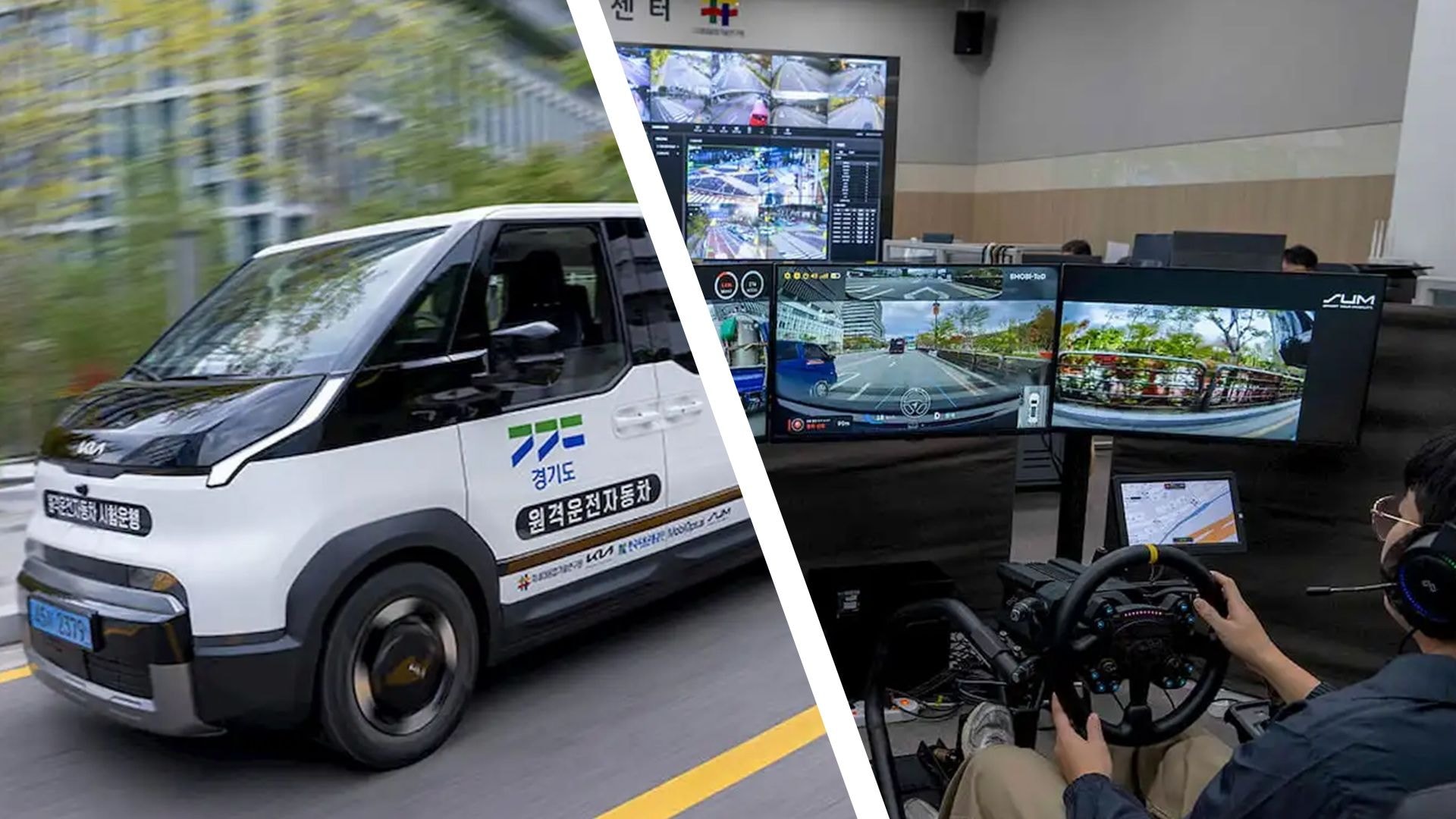
Kia has launched a pilot programme for an entirely new car-sharing system in the Pangyo Techno Valley region of South Korea. The company’s goal is to simplify the vehicle rental process, allowing customers to receive a car at their desired location without the need for a driver. The testing utilises Kia’s PV5 electric vans.
The core of the project lies in remote operation: specially trained operators control the vehicles from a distance using a dedicated control centre. This system facilitates not only the delivery of the vehicle to the user but also its return. Once a trip is finished, the customer can leave the car at their destination, after which an operator remotely drives it back to the base for charging and maintenance.
Technology and Safety
This project is the result of a collaboration between Kia, Socar, KT, and the autonomous driving startup SUM. The system relies on 4G and 5G networks, allowing operators to control vehicles in real-time. To prevent network latency, a triple-network system has been developed to ensure a continuous connection.
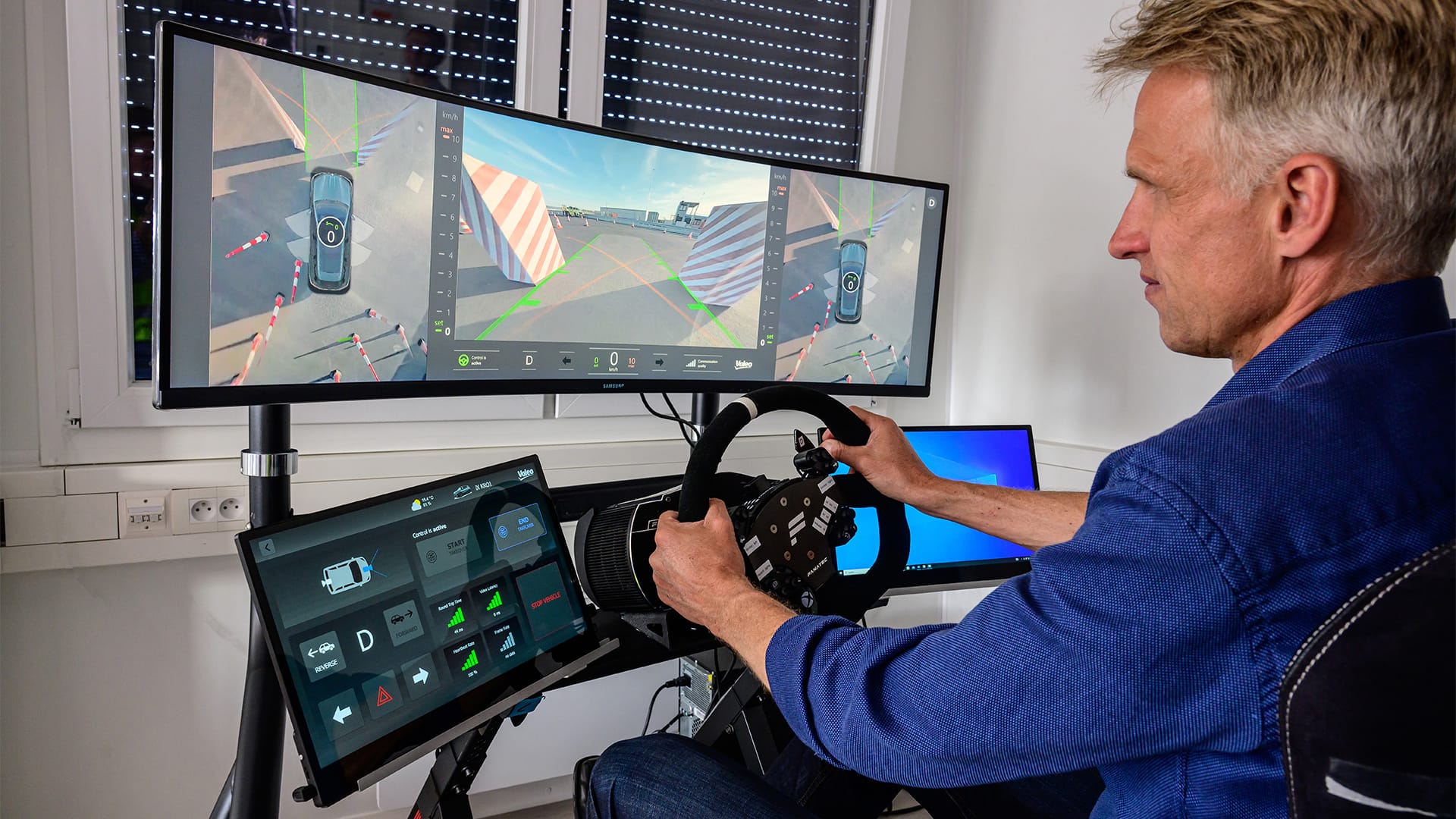
Company representatives state that this approach is significantly more affordable and practical than implementing fully autonomous systems, which currently involve high costs and technical complexities. Remote operation reduces the logistical burden for fleet owners while offering greater freedom to users.
Future Perspectives
Other automakers are also showing interest in similar technologies. For instance, BMW previously introduced remote parking solutions where an operator can control a vehicle using game console-like devices. Although the era of fully autonomous 'robotaxis' has not yet arrived, remote operation may serve as a transitional stage between human-driven and fully autonomous vehicles.
Kia’s project is particularly significant for regions with limited transport infrastructure. If the pilot programme proves successful, the service could be implemented on a larger scale, potentially easing parking and traffic congestion in cities. For users, this means less time spent searching for parking and greater convenience in daily travel.