Japan’s Ambitious Mission: Bringing Samples Back from Martian Moons
The MMX mission aims to reveal the origins of Mars' moons and the history of our solar system.
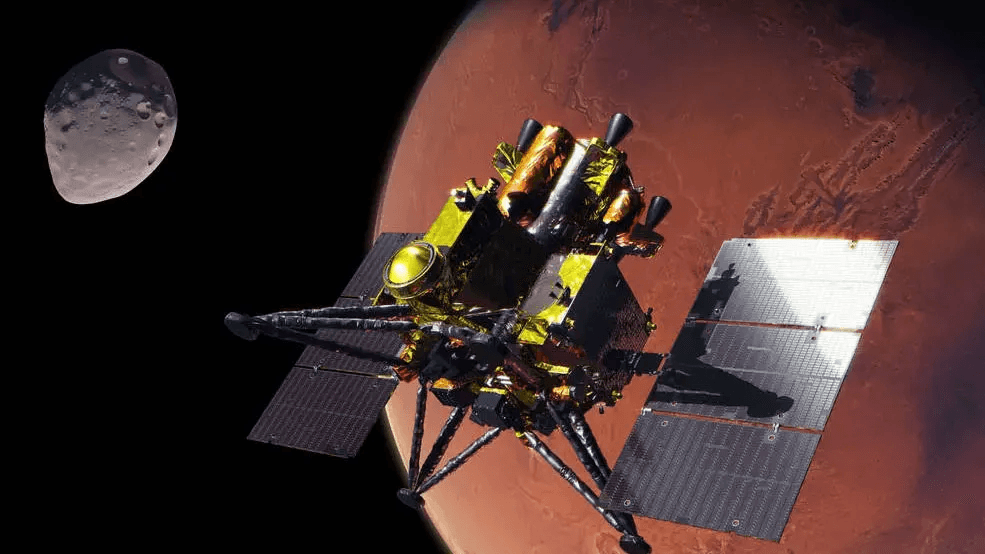
Japan is embarking on one of the most ambitious and large-scale projects in the history of space exploration. The Martian Moons eXploration (MMX) mission aims to bring samples from the Martian system back to Earth for the first time. The spacecraft, designed to study Mars' two moons—Phobos and Deimos—will launch from the Tanegashima Space Center aboard an H3 rocket.
A Mission to Martian Orbit
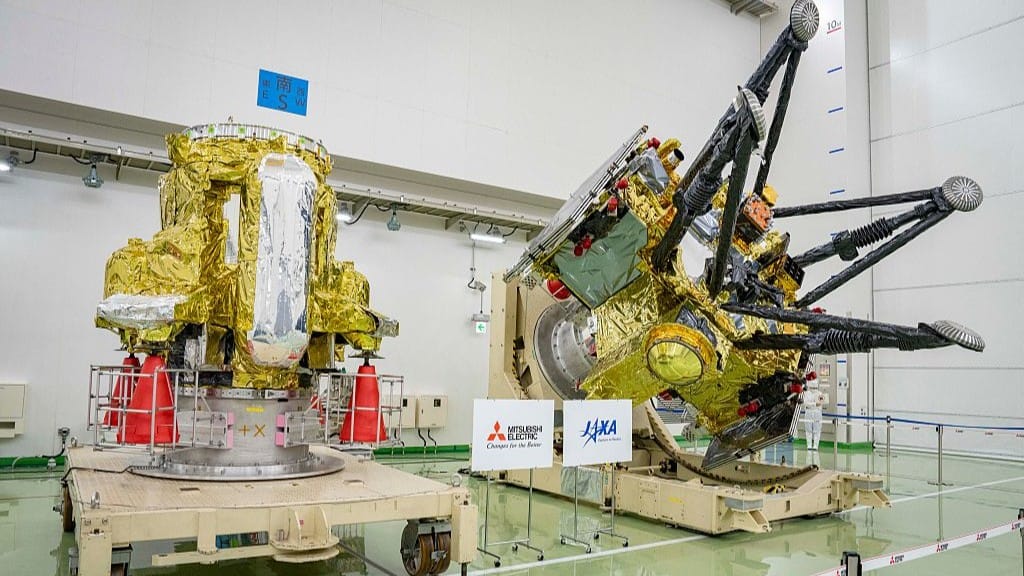
The MMX spacecraft consists of three primary modules: propulsion, research, and return components. It will begin a 10-month journey toward Mars, scheduled to reach the Red Planet's orbit in August 2027. As part of the mission, the craft will deploy a small rover, IDEFIX, onto the surface of Phobos. This microwave-sized device, developed through a collaboration between French and German space agencies, will study the surface temperature and chemical composition of the moon.
Upon landing on Phobos, the spacecraft will use specialized mechanisms to collect at least 10 grams of soil samples. If successful, these samples will be placed in a special capsule, which is expected to land on Earth in 2031 within Australian territory. This will mark a historic moment, as it will be the first time scientists receive material from the Martian system, providing invaluable data on planetary formation.
The Secrets of Phobos and Deimos
Scientists still lack a definitive answer regarding the origin of Mars' moons. There are two main theories. The first suggests that Phobos and Deimos were wandering asteroids captured by Mars' gravity. The second hypothesis posits that billions of years ago, a massive celestial body collided with Mars, and the resulting debris formed the moons—much like how Earth's Moon was created.
Both theories have supporting and conflicting arguments. For instance, the orbital motion of the moons supports the second hypothesis, yet their composition more closely resembles asteroids. The samples collected by MMX will settle this debate, as their chemical analysis will reveal exactly where the material originated.
Why This Matters
The MMX mission extends beyond the study of Martian moons. By reconstructing the history of the Martian system, scientists hope to gain a better understanding of the early stages of the solar system. This research is directly linked to understanding Earth's own evolution, as the formation processes of the Martian system share many similarities with the events that shaped our planet billions of years ago.
This Japanese mission represents a technological breakthrough, combining the engineering expertise of NASA, CNES, and DLR. If the samples successfully return in 2031, it will usher in a new era of space exploration and allow humanity to view the Martian system from an entirely new perspective.