Janus Electric Secures Battery Supply for Heavy-Duty Trucks
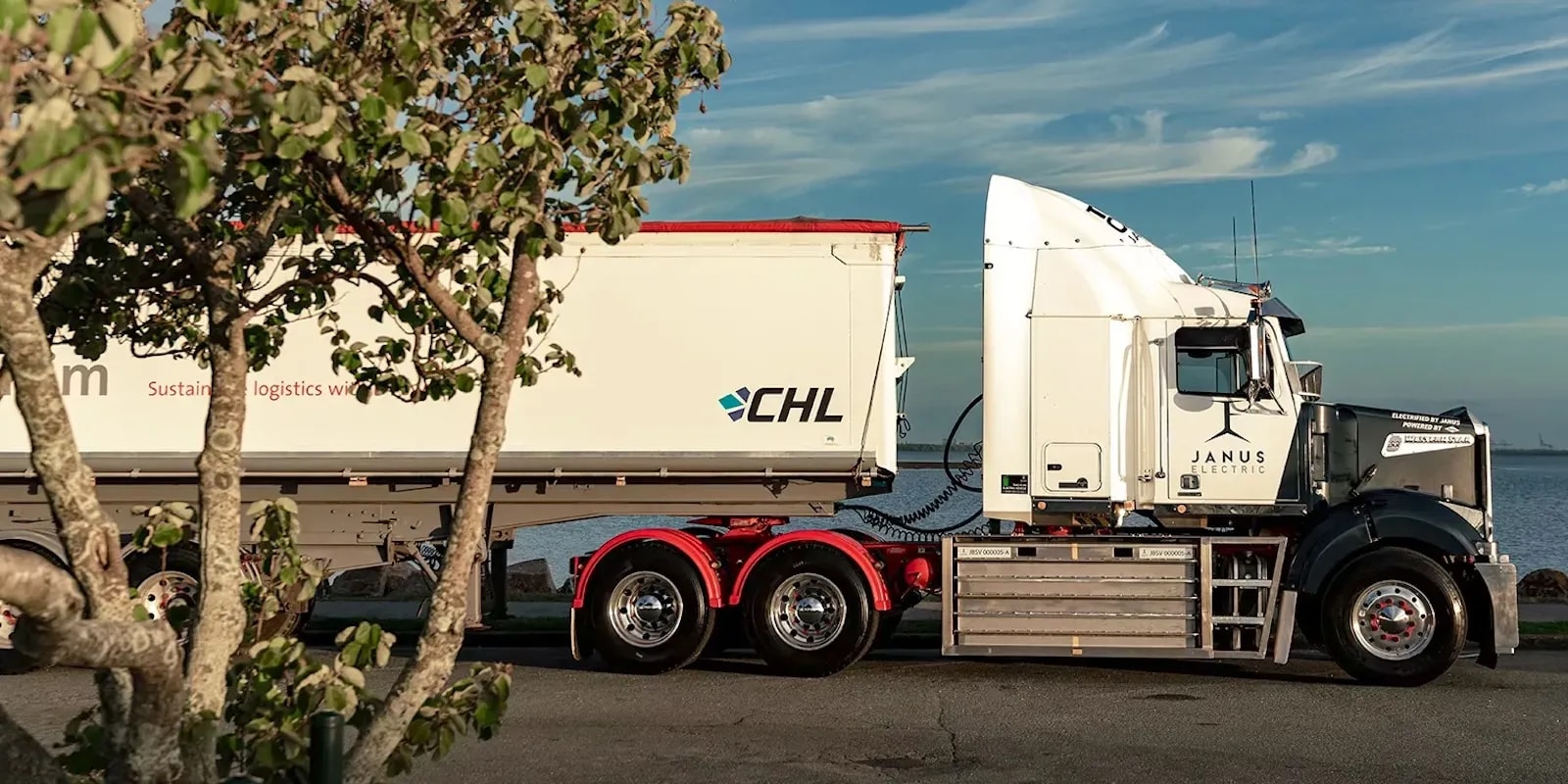
Electrification is becoming increasingly vital in the freight sector, particularly for heavy-duty vehicles. Australian firm Janus Electric, which specialises in converting diesel trucks into electric equivalents, is set for a major expansion. The company has signed an agreement with Electrovaya to supply batteries for its Class 8 trucks, a deal that encompasses both technical support and financial investment.## Technological Approach and Battery SwappingJanus Electric’s model focuses on using existing truck chassis, replacing diesel engines with electric motors and battery packs. Each converted vehicle features a 480-horsepower electric motor and a 310 kWh battery. The core advantage of the system is its battery-swapping capability; drivers can replace a depleted battery with a fresh one in just four minutes without requiring specialised equipment. This approach allows a truck to cover approximately 600 kilometres (370 miles) on a single charge, which is sufficient for most commercial operations. Alternatively, the system supports DC fast charging, which takes less than 90 minutes.## A $26 Million Deal and Future PlansUnder the new partnership, Janus Electric will purchase $26 million worth of battery packs from Electrovaya. Furthermore, Electrovaya has invested $1.4 million in Janus Electric shares, signalling strong confidence in the Australian startup's technology. Dr. Raj Das Gupta, CEO of Electrovaya, noted that this collaboration provides an effective solution to the challenges facing heavy transport. The agreement is critical for Janus Electric, which currently has a backlog of over 70 orders. Growth is being bolstered by California state support programmes and federal grants aimed at reducing diesel emissions, offering clients significant financial incentives for vehicle conversions.## What This Means for the SectorElectrovaya plans to expand its manufacturing footprint in the United States, specifically in Jamestown, New York. The new facility, scheduled to open in 2027, will focus on producing lithium-ion cells and modules. This move is intended to strengthen the local supply chain, enabling Janus Electric to fulfil large-scale orders efficiently. For regions where freight transport serves as an economic backbone, such as Georgia, the development of these technologies offers a compelling case study. While battery-swapping infrastructure is still in its early stages, this model demonstrates that aging fleets can be transformed into environmentally friendly alternatives, which can significantly reduce fuel costs in the long term.