Jackery Launches Its Most Compact Portable Charger Yet
The new Explorer 100D combines LFP battery safety with a pocket-sized design.
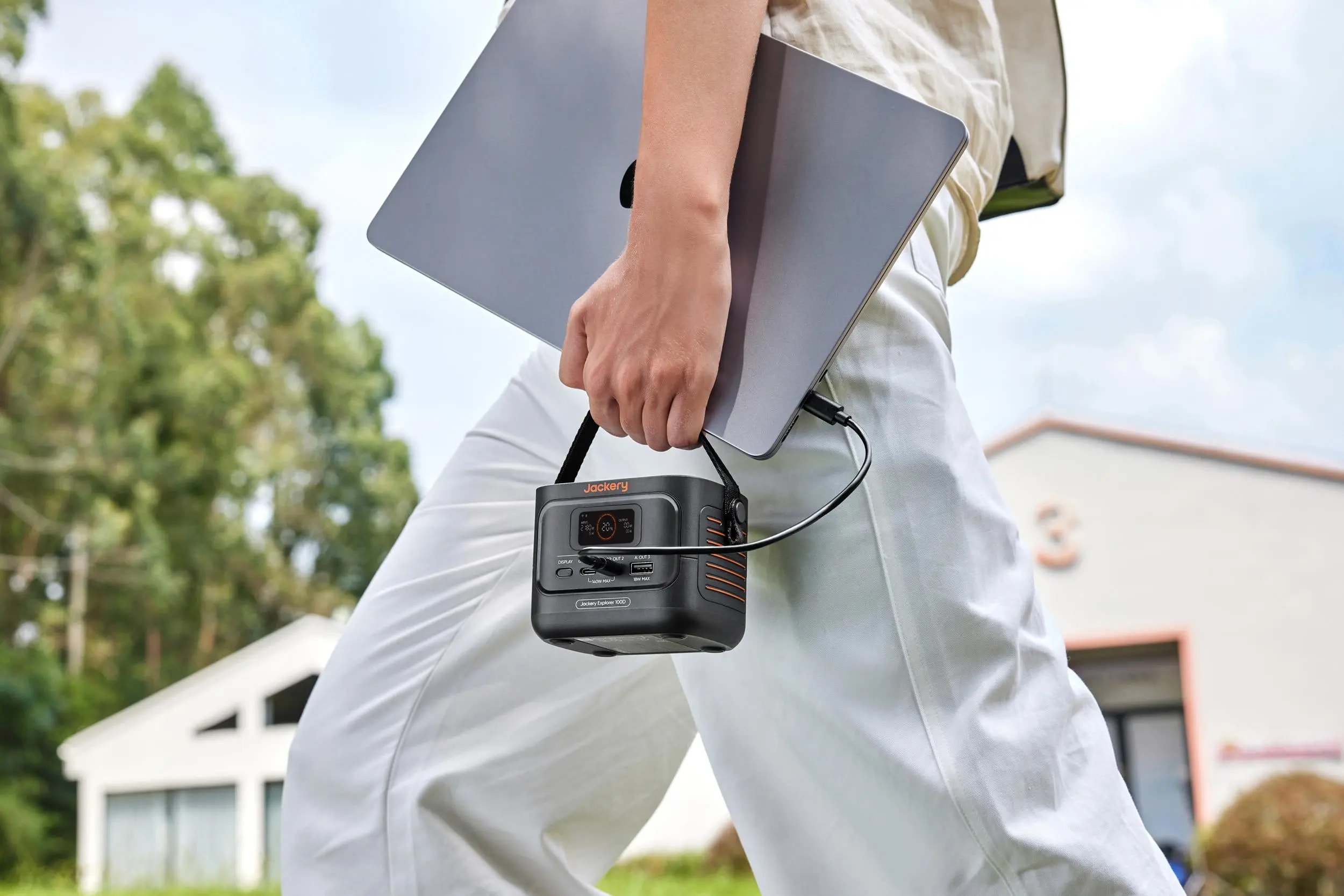
Jackery has introduced a new standard in portable power with the Explorer 100D, the company's smallest and lightest model to date. Designed for travelers who need to charge multiple devices on the go, the unit prioritizes both extreme portability and robust reliability.
Technological Advantages
The standout feature of the Explorer 100D is its lithium iron phosphate (LFP) battery. While many standard 30,000 mAh power banks are available on the market, Jackery’s latest offering excels in longevity. The company states that the LFP cells are rated for 3,000 full charge-discharge cycles, meaning the device can last for approximately eight years under regular use. This performance significantly exceeds that of standard lithium-ion alternatives.
The device is remarkably compact, measuring just 11.7 x 8.6 x 8.6 centimetres and weighing no more than 850 grams. This size allows it to fit easily into carry-on luggage, making it a practical accessory for daily commutes or long-haul flights.
Ports and Capabilities
Despite its small frame, the Explorer 100D is equipped with a versatile set of ports. The front panel features two 140W USB-C ports and one 18W USB-A port. While the total power output is 158W, users should note that power is distributed when all three ports are used simultaneously.
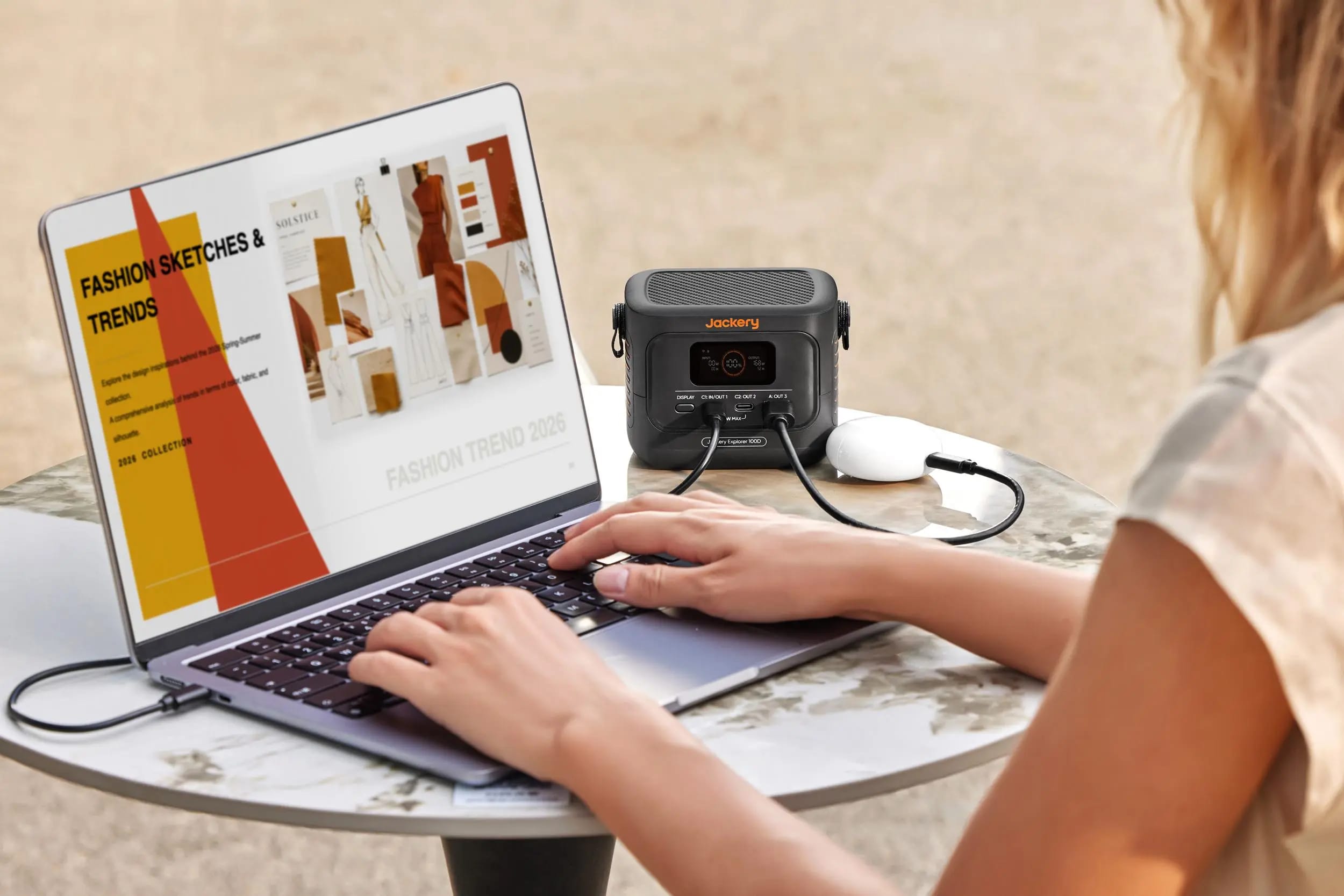
The design is highly ergonomic, featuring a built-in handle and the option to attach a shoulder strap. For those off the grid, the unit supports direct connection to solar panels up to 100W. When using solar power, the device can reach an 80% charge in just one and a half hours.
Availability
The Jackery Explorer 100D is currently available at Costco, where it is sold as a two-pack for $179.99. Starting November 15, the device will be available for individual purchase at Walmart for $99.
For users who travel frequently or work in field conditions, such compact and durable power sources are essential. While cheaper alternatives exist, the long-term lifespan of LFP battery technology makes this a significantly more cost-effective and safer investment in the long run.