iPhone Duo Users Frustrated by Lack of Face ID
A Frustrating Delay
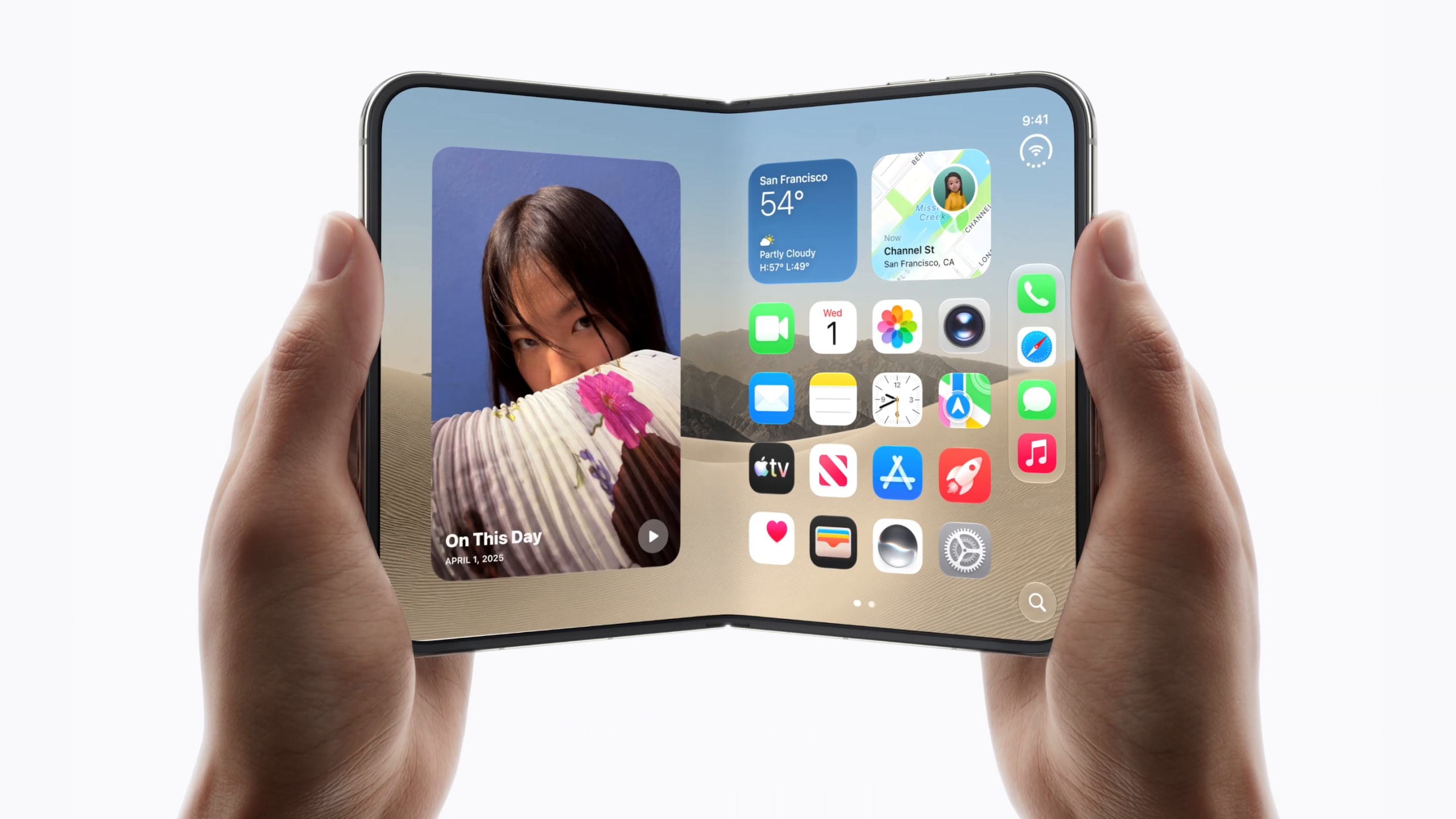
Following the market release of Apple’s latest smartphone, the iPhone Duo, initial reviews have begun to surface. While the device boasts several positive features, industry experts are united on one significant drawback: the absence of Face ID. Many users are finding the Touch ID sensor, integrated into the side button, to be insufficiently fast.
Prominent tech bloggers have observed that Apple has implemented a deliberate delay in the Touch ID unlocking process. When a finger is placed on the button, the phone does not unlock the screen immediately, providing users with a window to check notifications on the lock screen. However, for those accustomed to the instantaneous nature of Face ID, this process feels unnatural and sluggish. Notably, there is no option within the settings to disable this delay.
Why Is This an Issue?
Apple explains that this decision was made to ensure consistency with other products, such as the Mac and iPad. However, some reviewers are labelling this a "step backward." Beyond the occasional "lag" of the fingerprint scanner, it presents practical challenges: unlocking the device with wet or oily hands is often unsuccessful, and the use of gloves in winter becomes a necessity.
Furthermore, accidentally touching the button while picking up the phone often triggers a haptic error vibration, which users find irritating. Some reviewers point out that the lack of Face ID is particularly noticeable when making payments via Apple Pay or when the phone is lying flat on a table, where facial recognition would typically be more convenient.
Is There a Solution?
Most reviewers agree on one point: if you intend to purchase an iPhone Duo, using an Apple Watch becomes almost essential. Unlocking the smartphone via the watch is significantly faster and more convenient, partially neutralizing the inconveniences associated with Touch ID. There is also a "trick" involving waking the screen, swiping up, and then applying the finger to speed up the process, though it remains less intuitive than facial recognition.
While some users may adapt to the new system over time, viewing it as a minor hurdle, the comfort provided by Face ID remains the gold standard that loyal Apple customers miss the most. For users in Georgia who rely heavily on contactless payments and quick access to their smartphones, this detail may prove to be a decisive factor when making a purchase.