iPhone Duo Shortage: Apple Launches Sales Earlier Than Planned
An accelerated release strategy has left Apple struggling to keep up with global demand.
A Rushed Premiere and Its Consequences
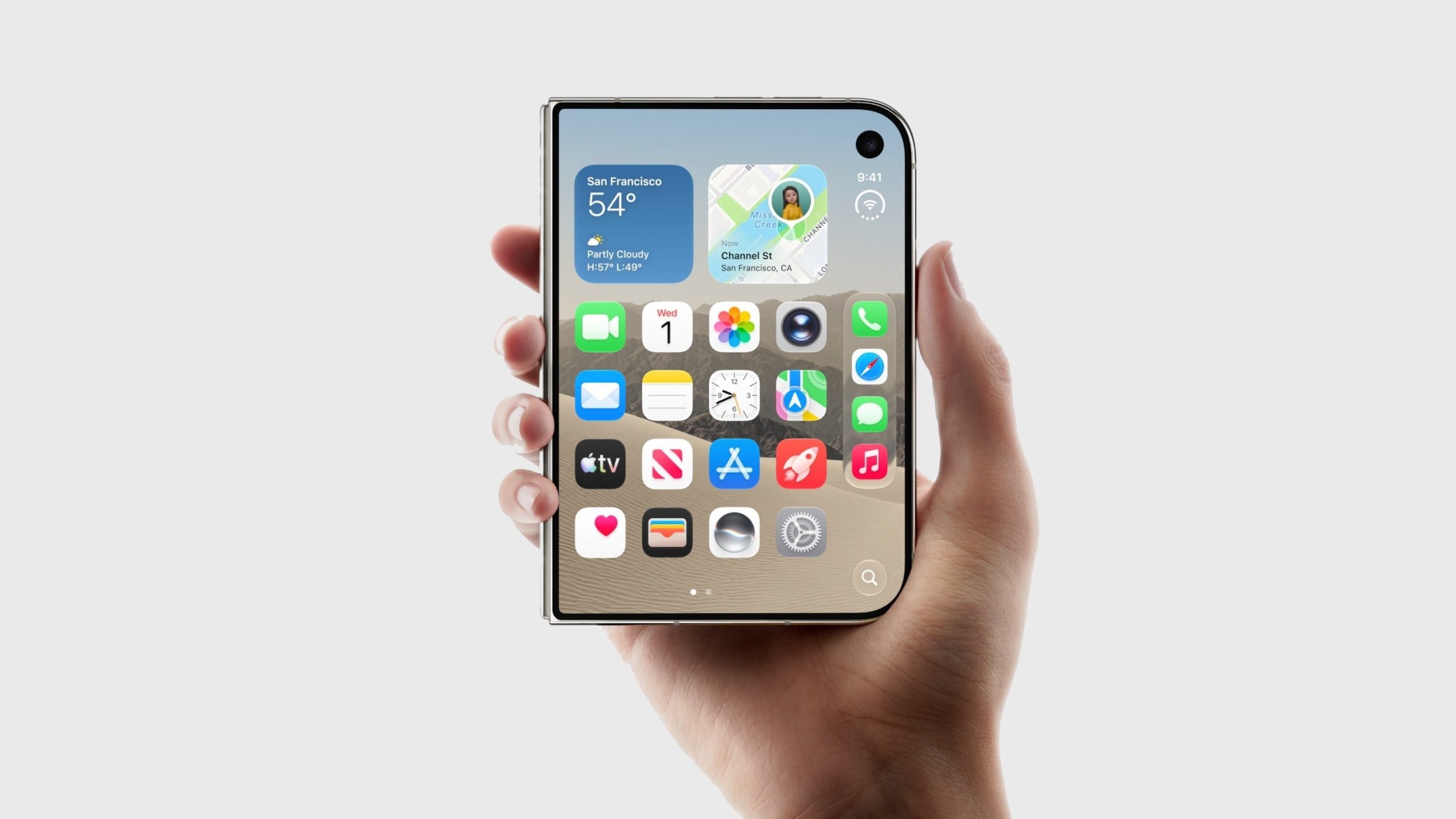
Apple’s latest product, the iPhone Duo, has arrived on the market much sooner than the company’s original roadmap intended. The tech giant had initially planned to launch the device in November, targeting only a limited number of markets, specifically the United States and China. However, the strategy shifted, and the iPhone Duo was officially released on Friday, October 23, across more than 70 countries simultaneously.
This decision to accelerate the product launch has created unexpected complications. The company was unable to prepare sufficient stock to meet the high consumer demand. As a result, the device is now nearly impossible to find in physical stores worldwide, and for those placing online orders, delivery dates have been pushed back to January 25.
What Is Causing the Shortage?
Experts suggest that Apple’s rapid release indicates an attempt to maintain a dominant market position or to get ahead of competitors. However, the logistics chain and production capacities were not prepared for such a large-scale global launch. Currently, demand for the iPhone Duo far exceeds available supply, leaving many customers who wish to purchase the device facing a wait until next year.
While Apple often manages to navigate similar logistical challenges, this shortage is significant. By abruptly expanding the sales geography and moving the launch from November to October, the company disrupted its planned delivery schedule. This highlights the ongoing difficulties global tech corporations face regarding the mass production and distribution of new products.
What Should Customers Expect?
In Georgia, as in other countries where Apple products are officially sold, the shortage is expected to persist for several more weeks. For those planning to purchase an iPhone Duo, it is recommended to monitor the websites of official retailers, though immediate purchase will likely remain difficult due to ongoing supply chain delays.
Apple has not yet issued an official statement regarding the reasons for the shortage. However, current data suggests the company is working to increase production rates to at least partially meet demand before January. For customers awaiting their new devices, this means pre-order statuses may change in the near future, though the shortage is unlikely to be fully resolved until the beginning of next year.