iPhone Duo Durability Test: Performance After 450,000 Folds
Long-term testing and results
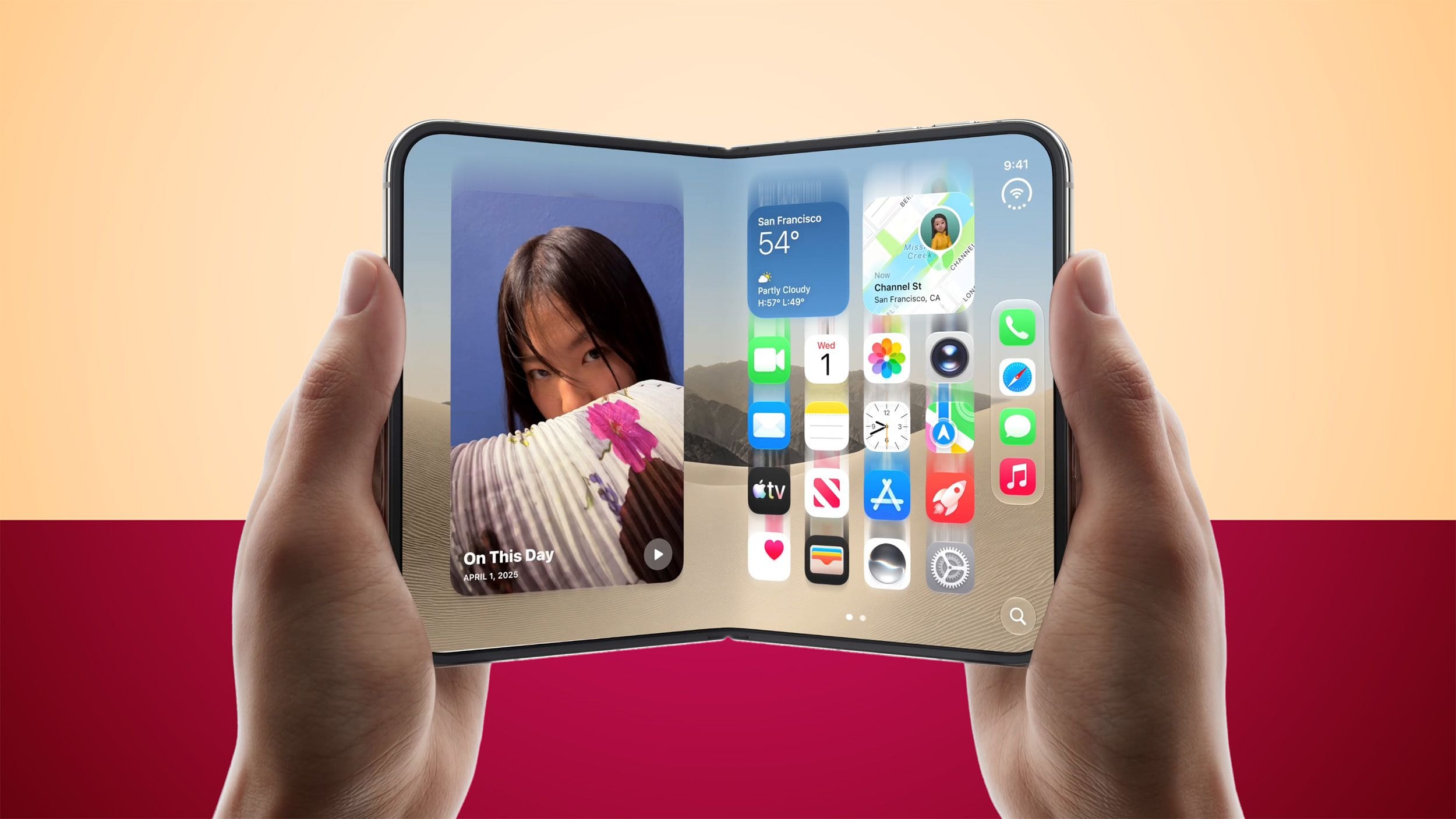
Apple's first foldable smartphone, the iPhone Duo, has been undergoing a public, live-streamed durability stress test for three weeks. The device has successfully surpassed 450,000 folds, though the mechanism has shown expected signs of wear. The experiment revealed that after approximately 390,000 cycles, the folding mechanism began to loosen, and once it passed 440,000, the smartphone stopped opening completely flat.
During testing, it was observed that after 440,300 folds, the device no longer unfolds fully automatically, remaining at a 5-10 degree angle. However, it is important to note that the device can still be opened manually and remains fully functional. There are no cracks or serious damage to the screen, which speaks to the high build quality of the device.
What does this mean for the user?
Although the mechanism shows wear, 450,000 folds is an impressive figure. If an average user folds their phone about 100 times a day, the device's lifespan should exceed a decade. While Apple has not officially released data regarding its internal testing, the Samsung Display OLED panels used in the iPhone Duo are considered among the most durable technologies on the market.
For comparison, the Galaxy Z Fold7 display is certified for 500,000 folds. Even though Apple likely uses its own engineering solutions rather than standard, off-the-shelf components, the durability of the iPhone Duo comes very close to this benchmark. The experiment will continue until the device fails completely or a sensor malfunction is recorded.
What does this mean for users globally?
The popularity of foldable smartphones is growing worldwide. Such public tests provide users with a realistic understanding of how reliable new technology is in daily life. Despite the slight loosening of the iPhone Duo's mechanism, the device retains its functionality, which is a positive signal for fans of the Apple ecosystem. As technology advances, foldable screens are becoming an increasingly standard part of everyday smartphones, which in turn raises expectations for their durability.