iPhone Duo Battery Capacity and Longevity Details Revealed
EU regulatory data provides a clear look at the power specifications of Apple's upcoming foldable device.
Technical Details from European Regulators
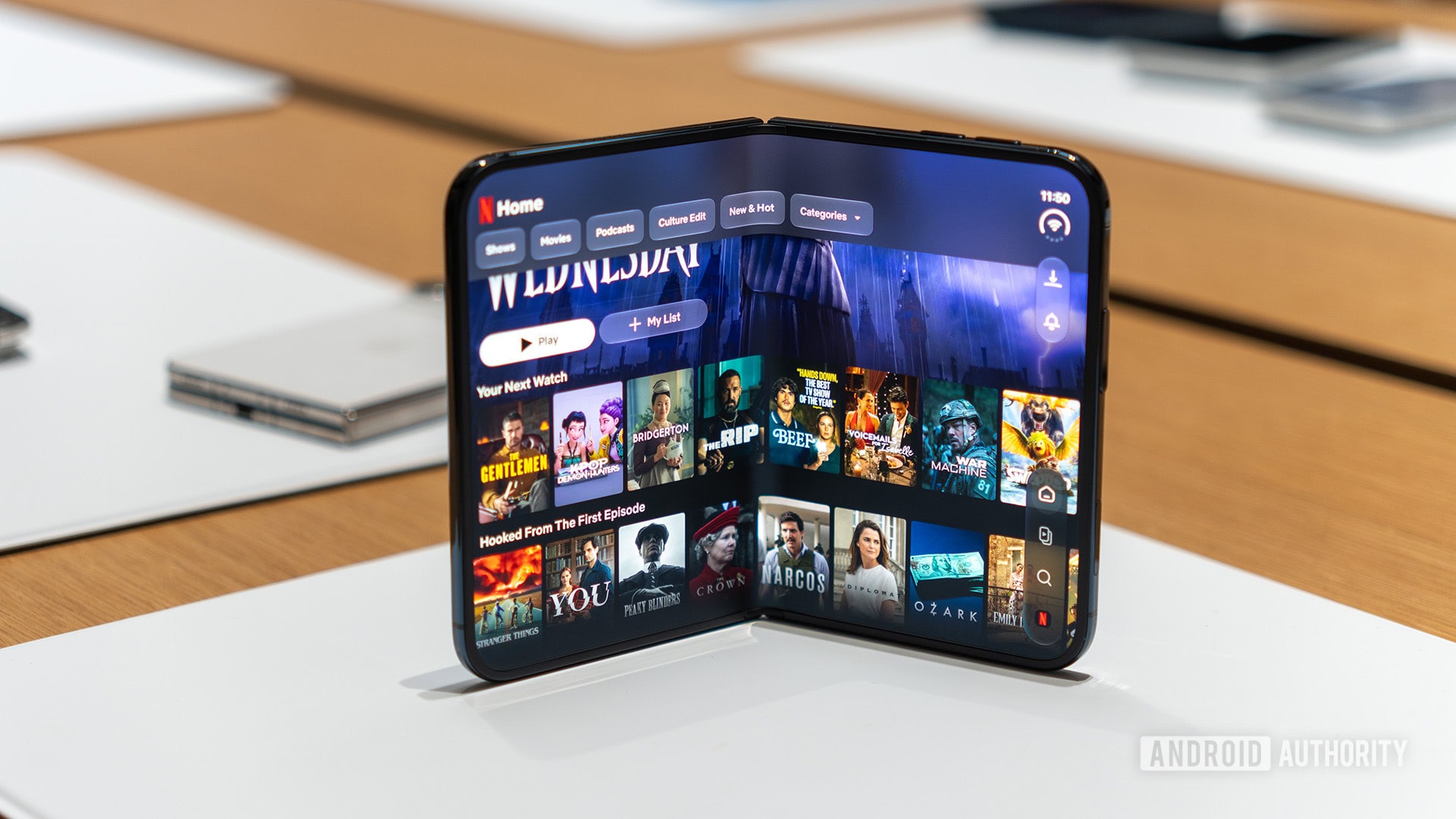
Discussions surrounding Apple's latest innovation, the iPhone Duo, continue to intensify. While much of the attention has focused on its unique folding mechanism, animations, and the hinge-integrated cooling system, EU regulatory data has now brought another critical detail to light: the technical specifications of the battery, which are vital for long-term performance.
According to the European database, the iPhone Duo is equipped with a 4,883 mAh battery. This is a robust figure for the foldable smartphone category, where balancing energy efficiency with internal space constraints remains a constant challenge. It appears Apple's engineers have successfully struck a balance between the device's slim profile and battery capacity.
Competitor Comparison: Apple vs. Samsung
Competition in the foldable smartphone market is fierce. When comparing the iPhone Duo's 4,883 mAh capacity to the 4,660 mAh battery found in the Samsung Galaxy Z Fold 8, it is clear that Apple has slightly outperformed its rival in raw capacity. These figures highlight the significant emphasis manufacturers are placing on battery life.
However, capacity is not the only factor determining longevity. Regulatory data indicates that the iPhone Duo's battery is rated for 1,000 full charge cycles, after which its maximum capacity will drop to 80% of its original state. For comparison, the battery in the Samsung Galaxy Z Fold 8 is rated for 1,200 cycles, giving the South Korean giant a technical advantage. This means the Samsung device may theoretically maintain better battery health over the long term.
What This Means for Users
Since the presentation of the iPhone Duo, Apple's approach to foldable technology has been met with both praise and criticism. The disclosure of these battery specifications confirms that the company is aiming to meet or exceed industry standards. While 1,000 charge cycles is considered a standard figure, users who keep their smartphones for several years may notice the difference in charging performance.
For users loyal to the Apple ecosystem, this information provides an additional data point for their purchasing decisions. Although foldable smartphones remain in the premium segment, such technical transparency helps consumers make informed choices. Once the device hits the wider market, real-world tests will demonstrate how effectively iOS manages power with this specific hardware configuration.