iPhone 17 Pro Design Shift: Apple May Remove the Action Button
Radical Changes to iPhone Design
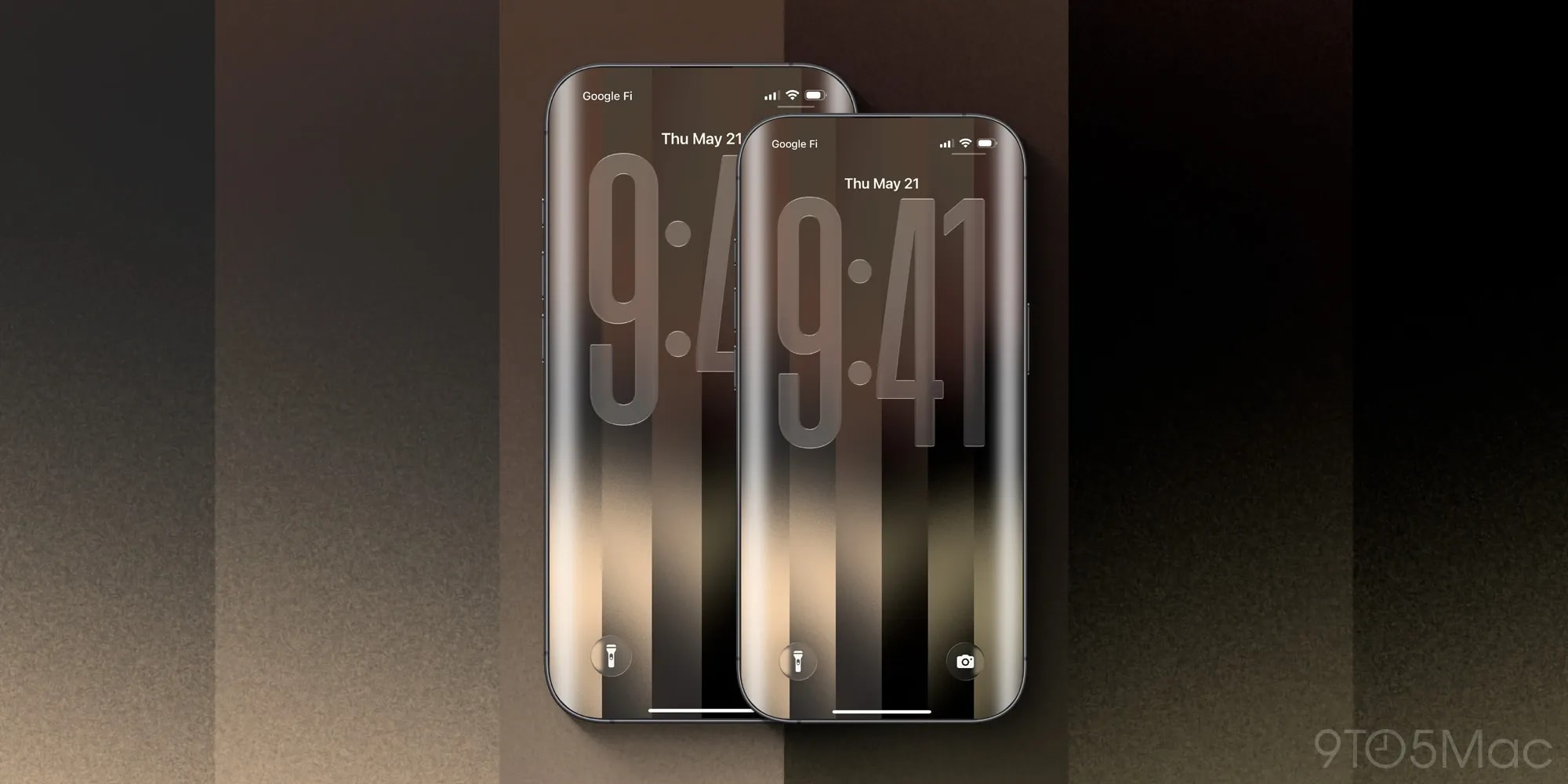
2027 marks 20 years since the launch of the original iPhone, and Apple appears to be preparing something special for the anniversary. Reports indicate that the company is planning radical visual changes for the iPhone 17 Pro series, marking a significant step in the smartphone market comparable to the 2017 unveiling of the iPhone X.
One of the most intriguing rumors concerns the display design. Future Pro models are expected to feature "quad-curved" screens that extend to the edges, creating the visual effect of completely disappearing bezels. Additionally, it is speculated that the screen size will increase, giving the device a more expansive and modern aesthetic.
The Fate of the Action Button
However, along with the design refresh, users may face some losses. According to information circulating on the social network Weibo, Apple intends to completely remove the Action button from the iPhone 17 Pro. This button, which allowed users to quickly activate various functions, may soon become a thing of the past.
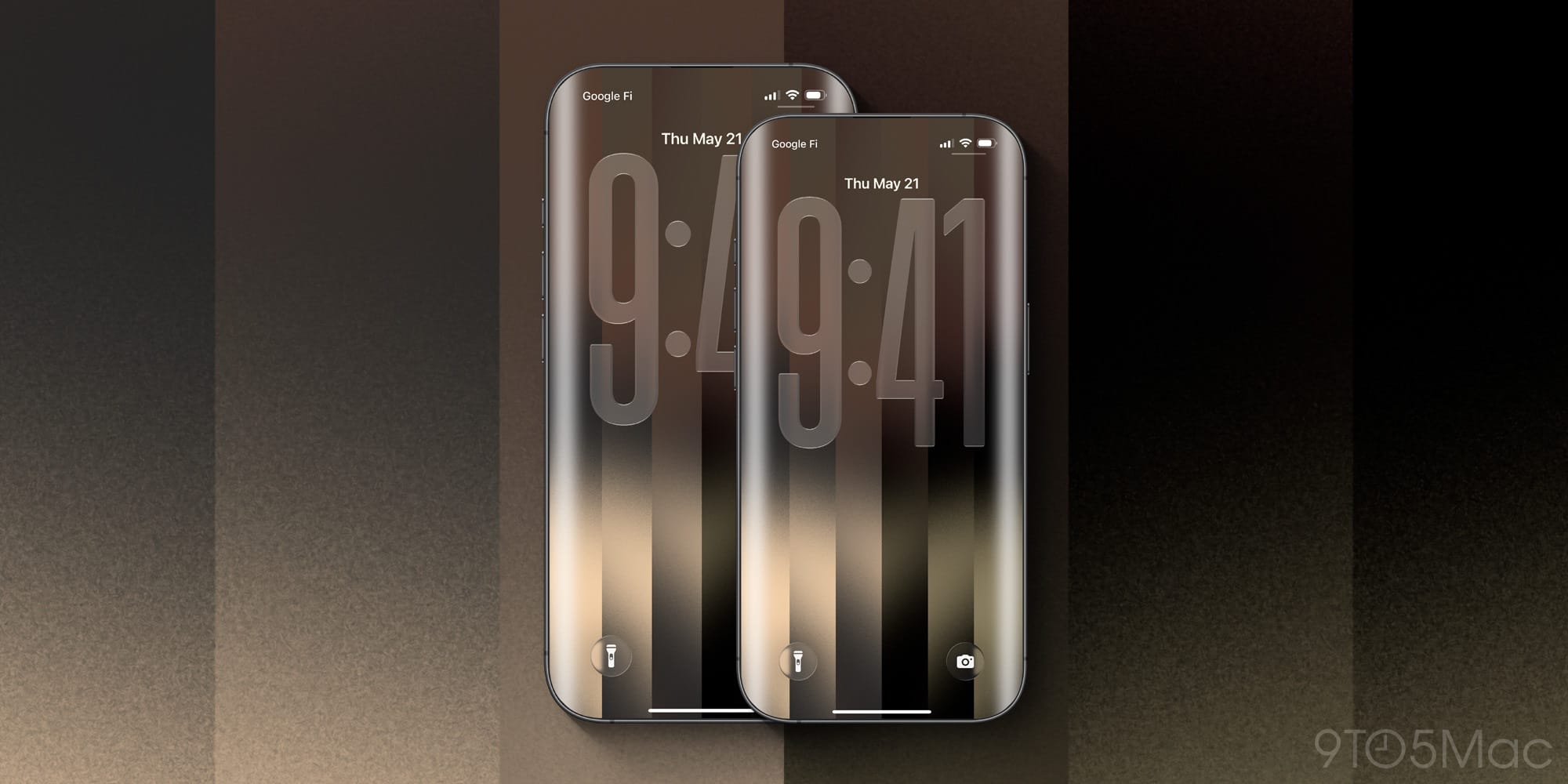
Notably, the Camera Control button, introduced in later models, will remain. Insiders claim that Apple plans to integrate the functionality of the Action button into the Camera Control. Specifically, a standard press will be used to launch the camera app, while a long press will provide users access to the same functions previously offered by the Action button.
What This Change Means for Users
Apple's strategy is likely aimed at simplifying the device chassis as much as possible while maintaining a minimalist design. However, such decisions often trigger user dissatisfaction, as the variety of physical buttons remains a priority for many. In previous instances where features were removed, users noted that simplifying functionality does not always equate to convenience.
Ultimately, Apple is attempting to consolidate multiple functions into a single button, a move expected to extend to other iPhone series in the future. For users following the evolution of the Apple ecosystem, this shift is significant as it highlights the direction of smartphone development: fewer physical components and a greater focus on software integration. While we will see the final result in 2027, expectations and speculation are likely to grow in the meantime.