Intero Biosystems Wins Startup Battlefield 2026
The biotech startup secured the top prize at the San Francisco-based competition.
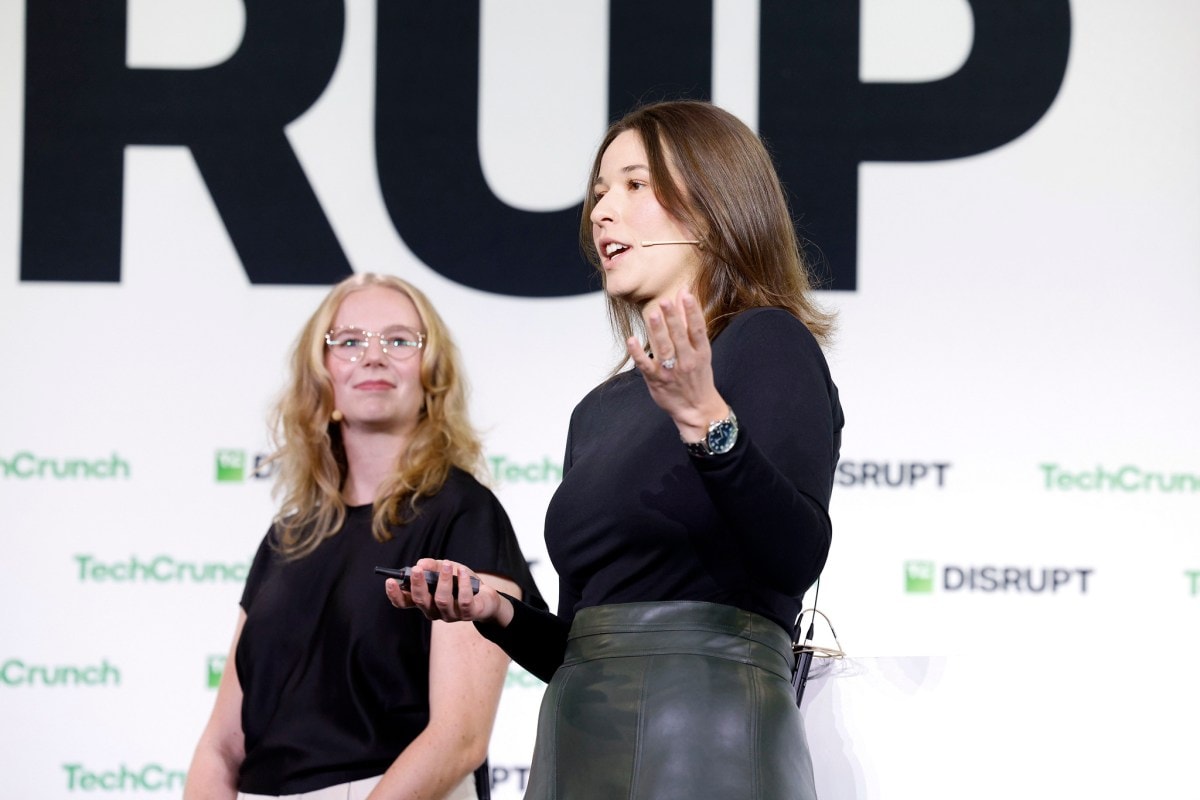
Following three days of intense presentations and jury evaluations at a technology conference in San Francisco, the winner of this year's Startup Battlefield has been announced. The top prize, accompanied by $100,000 in cash, was awarded to the Denver-based startup Intero Biosystems.
What does Intero Biosystems do?
Born from research at the University of Michigan, Intero Biosystems operates at the cutting edge of biotechnology. The company creates 1-millimetre human gut "organoids"—lab-grown tissues that fully replicate the functions of the human intestine. Their primary product, GastroScreen, allows pharmaceutical and food industry companies to safely test new drugs or chemical compounds before they are administered to humans.
Founders Charlie Childs and Madeline Aicken believe this technology will significantly reduce the costs and risks associated with clinical trials. The jury, comprised of leading venture capital investors, highlighted the scalability of this approach and its immense potential within the medical field.
Competition and Finalists
This year, 20 startups from across the globe participated in Startup Battlefield. Five companies reached the final stage, including the Australian startup Apate. The latter utilizes AI agents to deceive scammers and analyze their methods, representing a new development in the field of cybersecurity.
The history of Startup Battlefield is rich with success stories. Over the years, companies such as Trello, Discord, Cloudflare, and Mint have graced its stage. In total, more than 1,700 participants in the program have raised over $30 billion in investment, cementing the competition's status as one of the most significant platforms in the global startup ecosystem.
What does this victory mean?
Investors suggest that the victory of Intero Biosystems underscores the growing interest in the intersection of biotechnology and artificial intelligence. Although such technologies are still in the development phase, competitions like this provide them with the opportunity to attract capital more quickly and expand into the global market. For startup founders, this serves as proof that projects focused on solving complex scientific problems are currently a primary target for global investors.