International Alert: Hackers Target Industrial Refrigeration Systems
Joint warnings from the FBI and CISA highlight risks to the food industry and healthcare sectors.
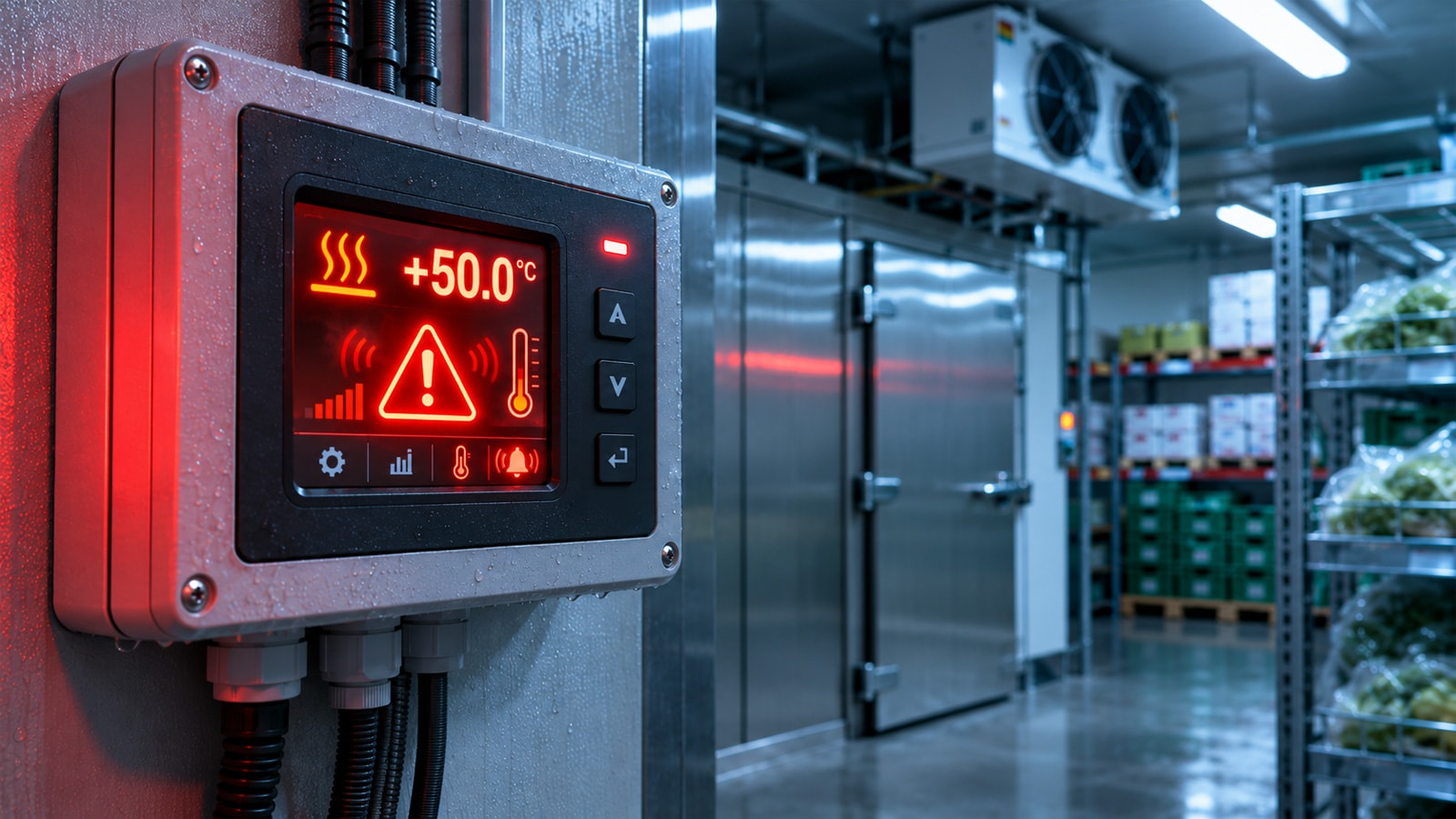
Critical Infrastructure Under Fire
The U.S. Federal Bureau of Investigation (FBI) and the Cybersecurity and Infrastructure Security Agency (CISA) have issued an urgent warning regarding cyberattacks on industrial refrigeration and "cold-chain" monitoring systems. This threat is particularly significant for the food industry, healthcare, chemical manufacturing, and logistics sectors.
The primary targets are electronic temperature controllers that are either connected to the internet or lack updated security software. Hackers exploit system vulnerabilities to remotely access control panels and alter settings, which can lead to equipment failure, product spoilage, or even the risk of fire.
European Precedents and Real-World Damage
This alert follows a series of attacks on refrigeration systems across Europe. In October, hackers remotely triggered the defrost function in 250 to 350 supermarkets in France, causing freezer temperatures to rise to dangerous levels. By November, similar attacks occurred in six other countries, disrupting operations at more than 115 stores.
An incident at a French blood transfusion centre is particularly concerning. By attacking a supplier of refrigeration equipment, hackers were able to disrupt the temperature settings of blood storage units. This demonstrates that these cyberattacks do not merely cause economic damage but pose a direct threat to human health.
How to Protect Systems
Experts note that attackers often use authentication bypass methods or code injection to force refrigeration units into continuous heating modes. By doing so, they mask the actual temperature, preventing operators from detecting the problem in time.
CISA and the FBI urge organizations to take the following steps immediately:
- Remove refrigeration controllers from public internet networks;
- Change default factory passwords on all devices;
- Update all existing software;
- Segment operational technology systems from general business networks.
For businesses in Georgia, where digital technology is being rapidly integrated into the food and pharmaceutical industries, adhering to these cybersecurity standards is vital. Any device connected to a network is a potential target, meaning that maintaining cyber hygiene is not just an obligation for large corporations.