Intel’s Next-Generation Nova Lake Processors to Use 18A-P Technology
The company confirms its next-gen desktop chips will leverage an evolved manufacturing node.
Nova Lake and Intel's Technological Leap
During Intel's third-quarter financial report, executive Lip-Bu Tan confirmed that the next-generation Nova Lake desktop processors will be the first consumer products to utilize the company’s enhanced 18A-P manufacturing node. Intel plans to share further details regarding these developments at the CES trade show in Las Vegas in January 2027.
The 18A-P technology serves as an evolution of the standard 18A node. According to Intel, it delivers approximately 9% higher performance at the same power level, or reduces power consumption by 18% under identical performance conditions. Significantly, 18A-P is fully compatible with designs created for 18A, allowing engineers to transition to the new standard without additional complexity.
Strategic Manufacturing Shifts
Although the Nova Lake project is ahead of schedule, Intel CFO David Zinsner stated that the company plans to reallocate manufacturing capacity. Specifically, Intel will reduce production lines for Panther Lake processors to direct more resources toward manufacturing Granite Rapids data centre processors. This decision is driven by current market demand and strategic priorities.
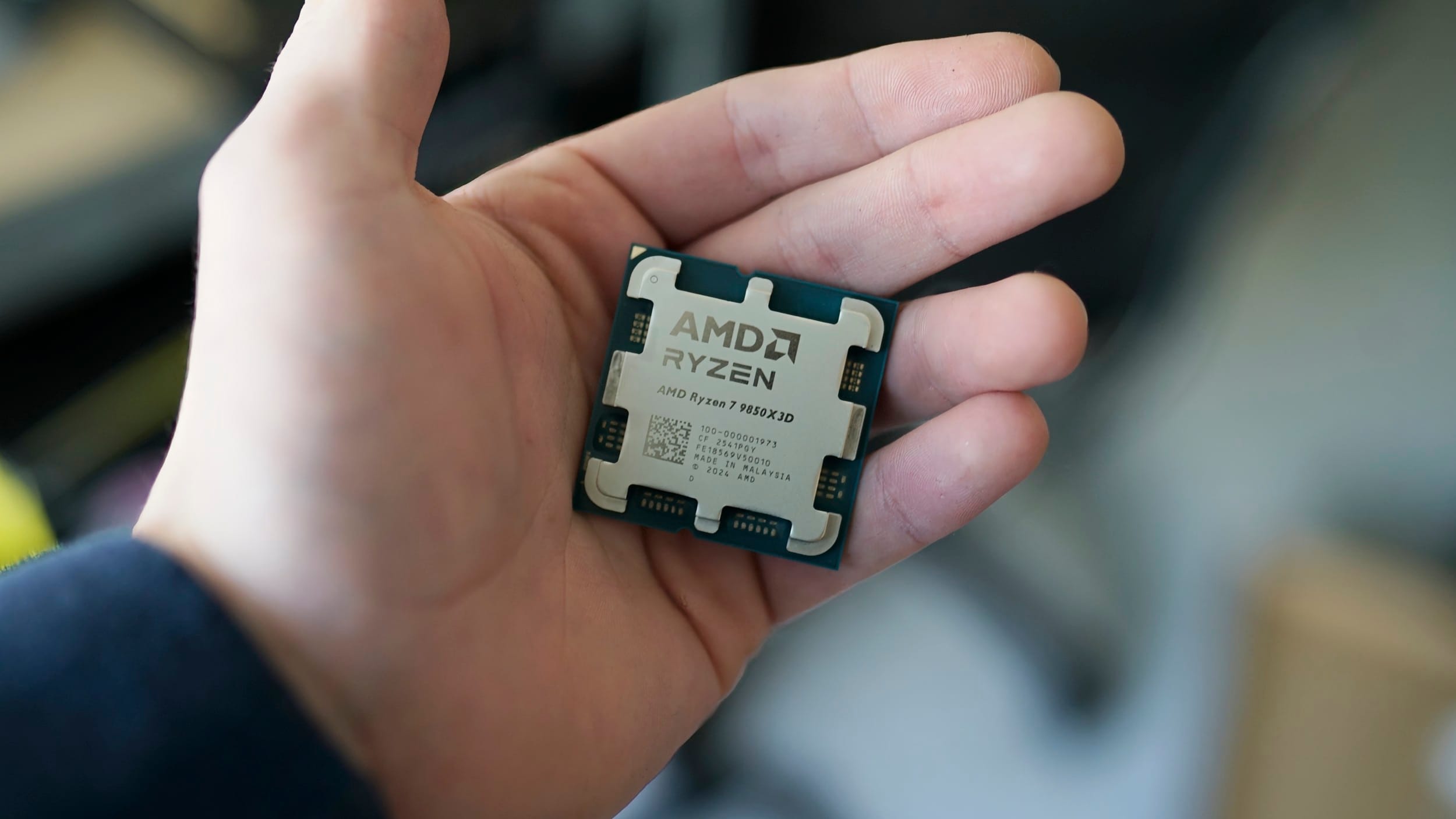
Intel leadership acknowledges that the global personal computer market is facing certain challenges. The company projects that PC sales will decline by approximately 12% throughout 2026, with the possibility of this drop exceeding 20% in the second half of the year. Cited reasons include memory shortages and price instability, both of which impact manufacturers and consumers alike.
What This Means for Consumers
Despite the temporary market contraction, Intel remains optimistic about the future. Company representatives believe that personal computers will experience a "renaissance" in the coming years and that the potential for market share growth remains. Demand for the Wildcat Lake series of processors is already outpacing supply, indicating that consumers are actively seeking new, energy-efficient solutions.
For users, these developments mean that Intel’s new generation of chips, built on 18A-P technology, will lead to more powerful and energy-efficient laptops and desktops in the future. While global supply chains and market trends remain difficult to predict, the technological progress accompanying Nova Lake is set to establish a new standard for computing hardware in the years ahead.