Intel Shifts Production Focus Toward Server Processors
Amid surging AI demand, the company is reallocating resources from PCs to high-performance servers.
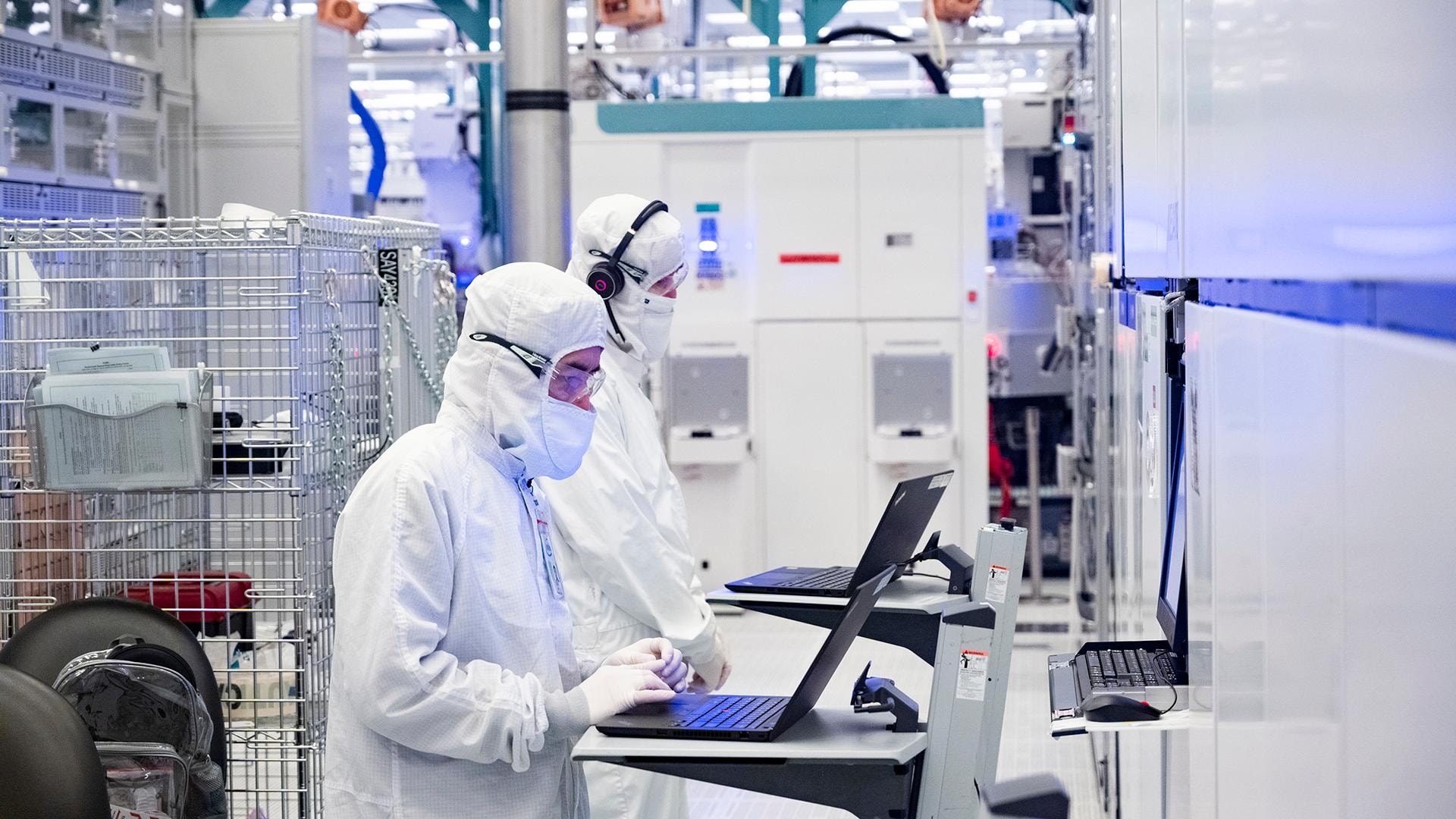
The rapid evolution of artificial intelligence has presented the technology industry with significant new challenges. Demand for computing power has surged to such an extent that Intel has made a strategic decision to shift a portion of its production capacity away from the personal computer segment toward server processors, specifically its Xeon line. This pivot is driven by the rapid expansion of the data centre market, which stands in contrast to the ongoing decline in the PC market.
New Production Priorities
Intel’s Data Centre and AI division reported $7.3 billion in revenue for the third quarter of 2026, marking a year-on-year increase of nearly 80%. Management states that demand for the Xeon 6 'Granite Rapids' series significantly exceeds supply. To address this, Intel plans to expand its Fab 24 facility in Ireland and repurpose manufacturing resources in Oregon. These resources were originally intended for Panther Lake processors, but due to weak PC sales, Intel has decided to dedicate them to the production of server-grade semiconductor wafers.
Technological Challenges and Investments
Chip production alone is not the only hurdle. Intel is facing supply chain issues regarding advanced organic substrates, which are essential for assembling modern multi-die processors. These components are critical for EMIB and Foveros 3D technologies, which facilitate chip interconnection. The company is working with suppliers and expects substrate availability to increase by approximately 40% by the second half of 2027.
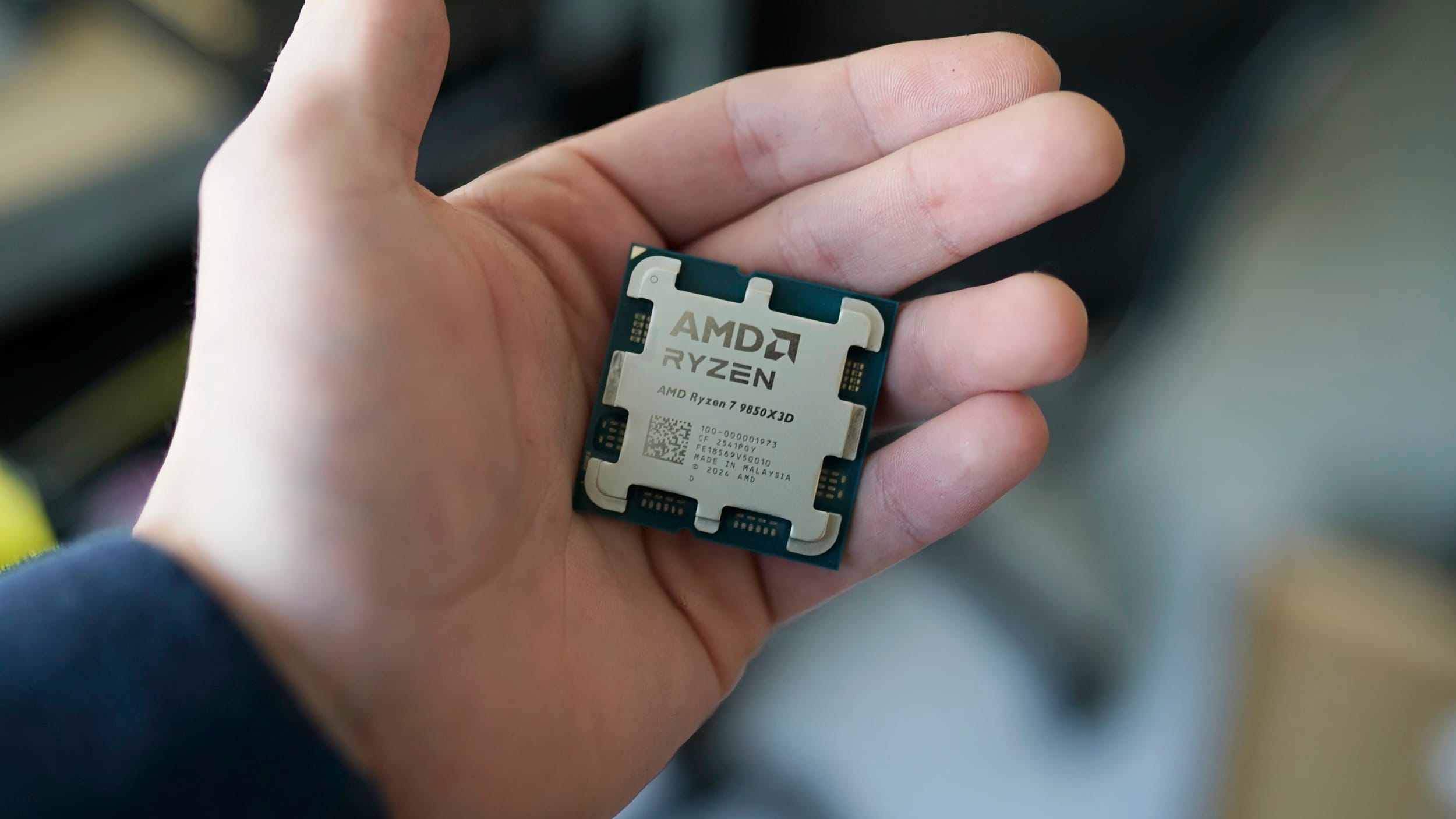
Simultaneously, work is underway to equip the Fab 62 facility in Arizona, which will produce next-generation processors using Intel 18A technology. Intel's capital expenditure for 2026 is approximately $20 billion and is expected to rise further in 2027. The company has already increased orders with manufacturing equipment suppliers by 40% to accelerate factory readiness.
Market Implications
Despite these large-scale investments, Intel warns that shortages will persist, particularly in the first half of 2027. Installing new equipment, testing, and ramping up full production cycles takes time. However, the company remains optimistic about the second half of 2027, when new capacity will be fully operational, allowing Intel to meet the growing demands of AI infrastructure.
For users in Georgia, this means that the availability and pricing of server hardware will continue to be dictated by global market dynamics. While Intel is not abandoning the PC market and plans to strengthen competition with its Nova Lake series, the company's primary focus for the coming years will remain the AI server market, which currently serves as the main driver of the technology industry.