Inside the New MacBook Pro: A Glowing Logo and Advanced Display Tech
Technological Innovations in Apple’s Laptop
Apple’s latest MacBook Pro, featuring the PROLED XDR display, has captured the attention of tech enthusiasts. A detailed teardown by iFixit has shed light on how the company managed to bring back the iconic glowing logo and refine its display technology while significantly reducing the device's weight.
The new model weighs just 1.38 kilograms, a notable improvement over the 1.55 kilograms of its 14-inch predecessor. This weight reduction was achieved through chassis optimization, which is 92 grams lighter, and a display assembly that has been lightened by 101 grams. Interestingly, despite these changes, the laptop has also gained touchscreen functionality.
Tandem OLED and the Secret of the Glowing Logo
Display technology has undergone a significant upgrade. The Tandem OLED panel combines two light-emitting layers, providing much higher brightness compared to standard single-layer displays. Microscopic observation revealed that the blue subpixels are larger, which reduces material strain and contributes to the long-term durability of the display.
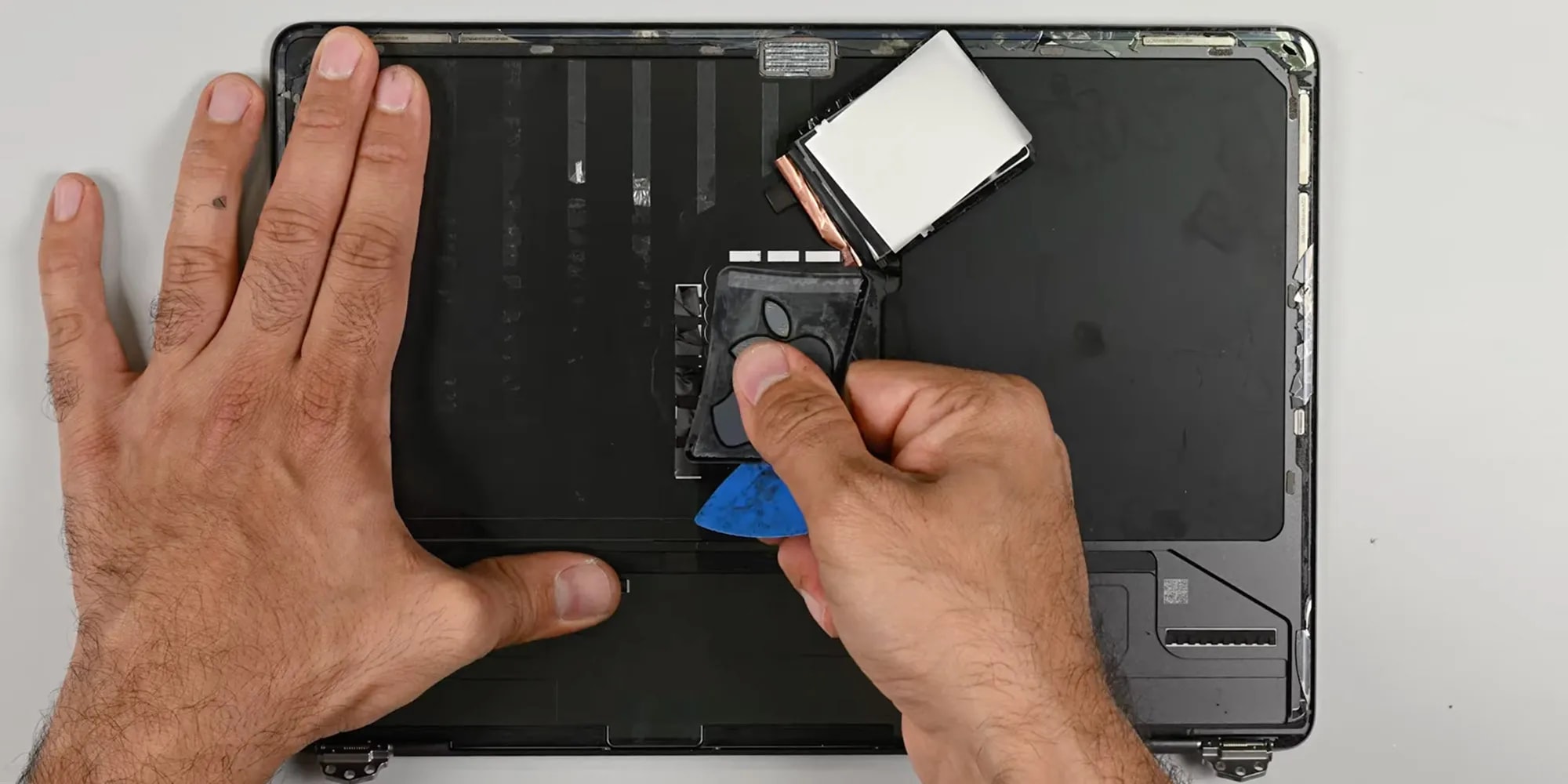
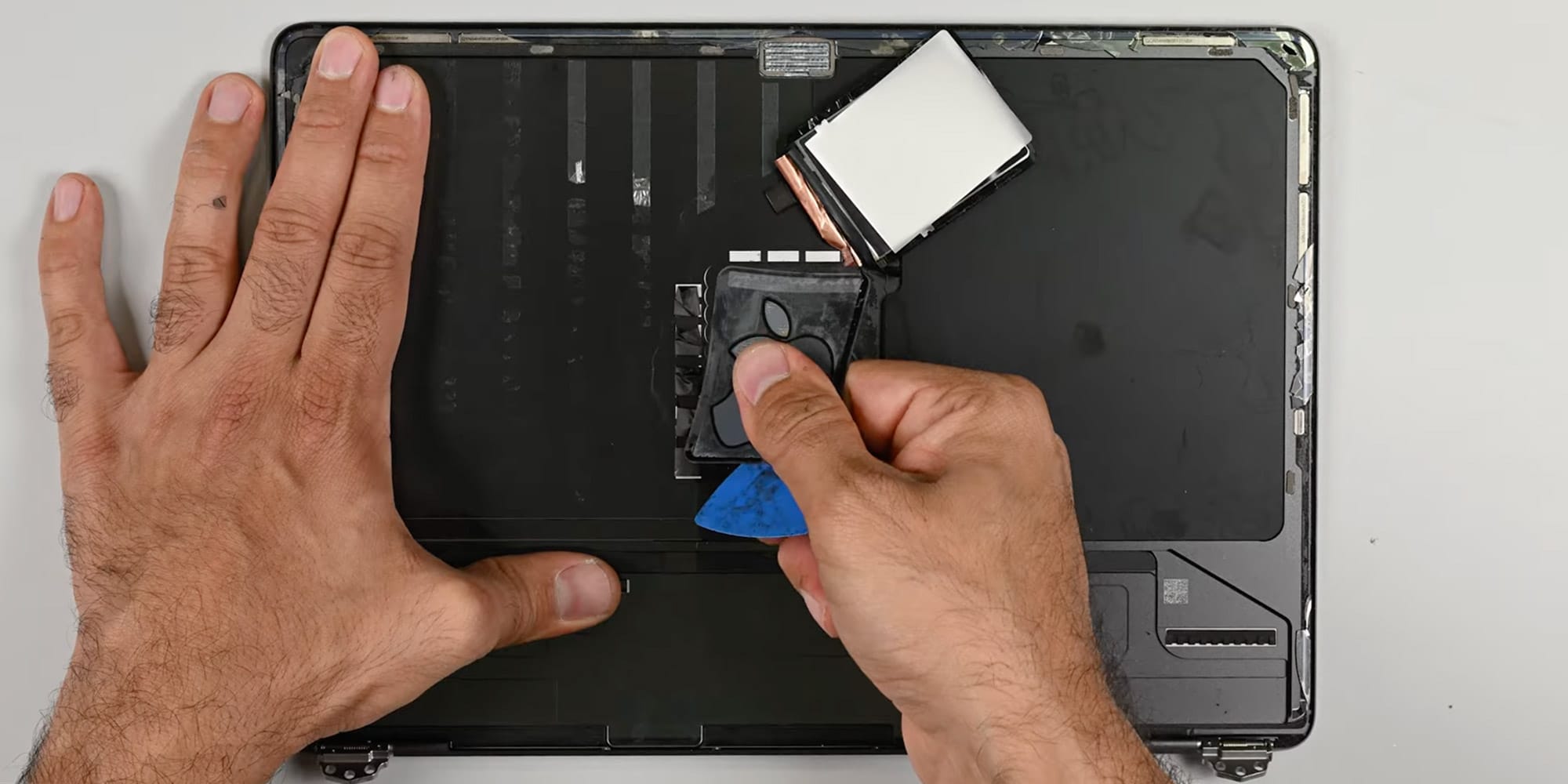
As for the fan-favourite glowing logo, it is powered by a strip of four LED lights. Even light distribution is achieved through a diffuser and a reflective layer. The logo itself features a special two-way mirror coating, which creates a glossy surface when powered off and allows light to pass through when active.
Repairability and Service Details
iFixit awarded the device a repairability score of 5 out of 10. Although some components, such as the fans or USB-C ports, are independently replaceable, accessing them still requires the removal of the entire logic board. The HDMI and SDXC ports, as well as the RAM and storage, remain soldered to the board.
A positive trend is evident in the software department: unlike previous years, the new MacBook Pro successfully recognizes a logic board transferred from another device, including the Touch ID sensor, True Tone, and touchscreen features. This indicates improvements to Apple’s Repair Assistant, which will simplify tasks for users and service centres in the future.
For users in Georgia, these developments are significant, as Apple laptops enjoy high demand in the country. Improved repairability and more flexible software support for components allow local service centres to operate more efficiently, which ultimately serves as a positive signal for the consumer.