Industrial Intelligence: The New Era of Manufacturing Processes
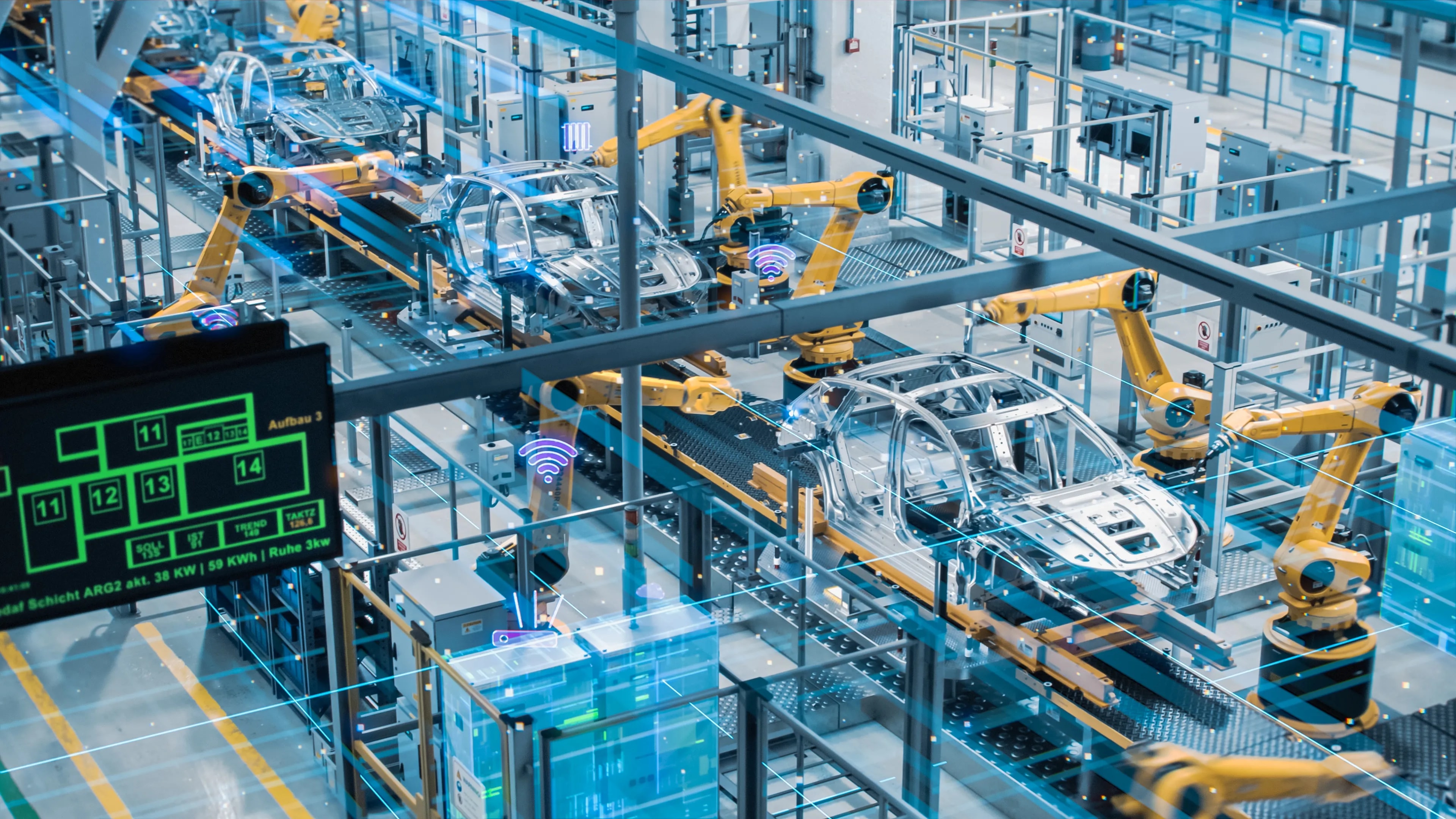
Success in manufacturing has always relied not only on machinery but also on the expertise accumulated within the minds of the workforce. Today, technological advancement allows us to consolidate this "industrial intelligence"—the company’s accumulated knowledge, operational practices, and data—into digital systems, making it scalable.## Democratizing Knowledge as a Competitive AdvantageTraditionally, expertise often remains confined to individual operators or a single workshop. However, the modern challenge lies in sharing this knowledge at a systemic level. When an engineer can see not just raw production data but also the context—such as the decisions an operator made to avoid a specific flaw—innovations spread much faster. The "technical copilot" (AI assistant) implemented at Rockwell Automation's Singapore plant reduced new employee training time from nine months to three, as the system integrates production data, instructions, and the experience of veteran workers.## Physical AI: Turning Data into ActionIndustrial intelligence is not limited to information analysis; it involves a connection to the physical world. "Physical AI" is a system capable of perceiving the environment, analyzing data, and taking action. For example, robotic systems that use vision technology to assess the position of parts and automatically adjust their movements significantly increase efficiency. The example of Toyota Industries clearly demonstrates the power of this approach: in the paint shop, integrating data reduced the analysis cycle from five days to four hours and decreased the defect rate by 25%. This was not just data collection; it was understanding causes and reacting before problems escalated.## Human-Machine CollaborationThe future of manufacturing does not imply the replacement of humans. On the contrary, the goal is for machines to take on routine and physically demanding tasks, allowing humans to focus on decisions that require experience and intuition. Digital simulations allow engineers to test changes in a virtual environment before applying them to the actual production line.Ultimately, the implementation of industrial intelligence requires not just new hardware, but a corporate culture where employees actively participate in improving systems. This is the path to sustainable growth, where businesses learn and adapt to changing conditions daily. For the manufacturing sector in Georgia, which is currently in the process of modernization, this experience is vital for production to acquire scalable capabilities and increase competitiveness in regional and global markets.