Hyundai IONIQ 5 vs. IONIQ 9: Which Electric SUV is the Better Choice?
A New Reality in the EV Market
Hyundai’s IONIQ 5 remains one of the best-selling electric vehicles in the US, trailing only Tesla. The company’s strategy of aggressive price cuts and attractive leasing terms has proven successful. However, buyers now face a dilemma: should they choose the compact IONIQ 5, or pay a nearly identical monthly cost for the three-row IONIQ 9?
The 2027 base model IONIQ 5 starts at $35,250, with the extended-range version priced at $37,750. In contrast, the three-row IONIQ 9 has a starting price of $58,955—a difference of nearly $24,000. Despite this significant gap in retail price, current leasing offers change the equation entirely.
The Math of Leasing
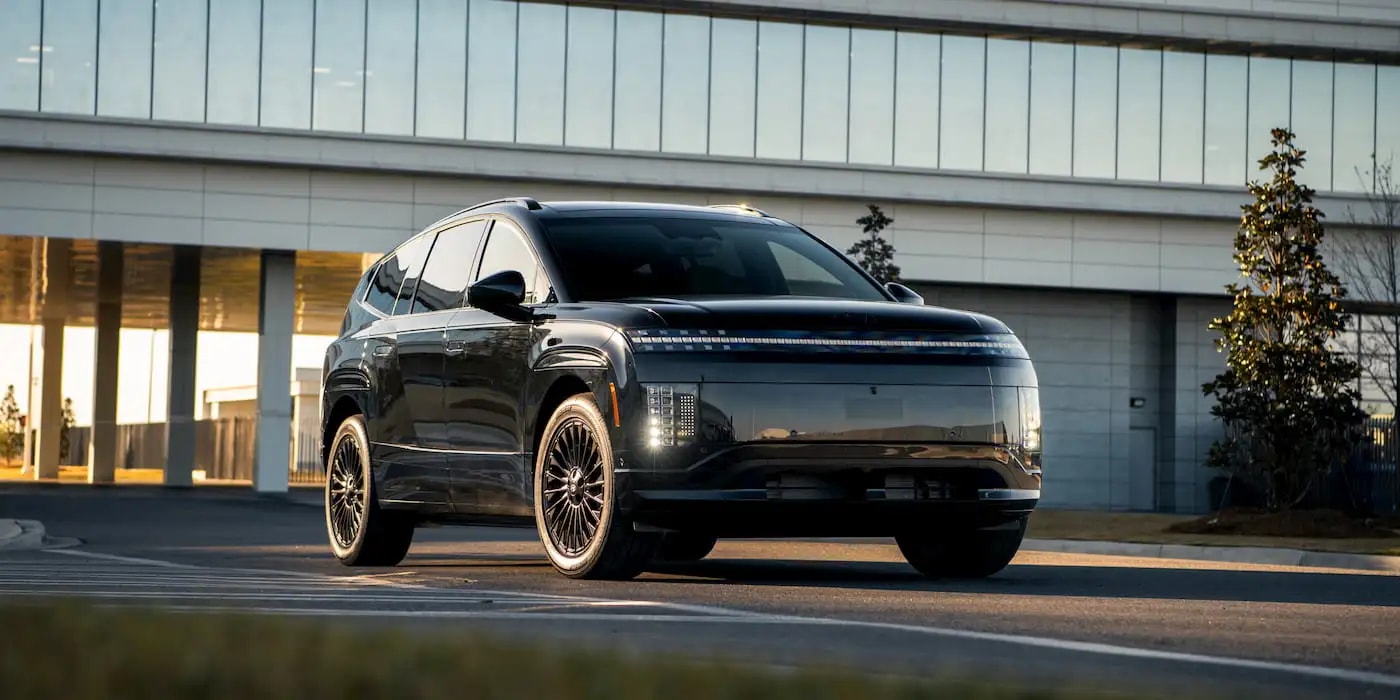
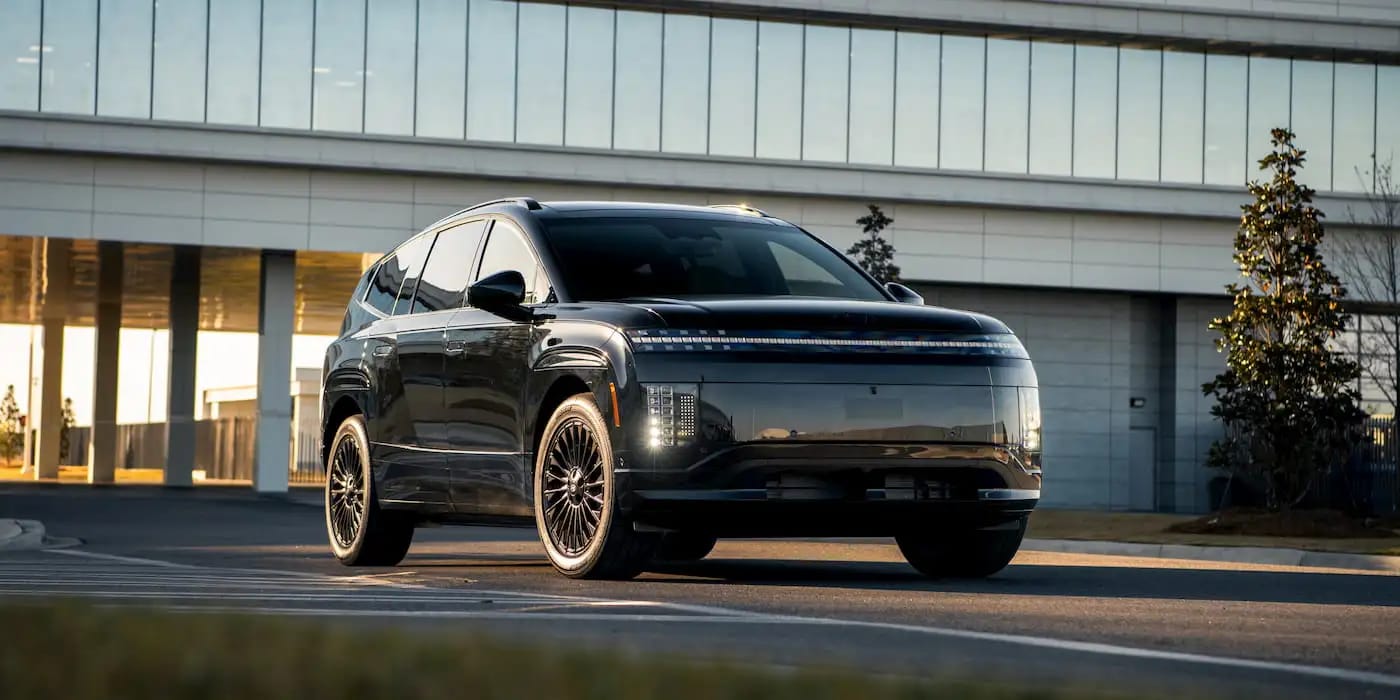
According to official Hyundai leasing offers, a 36-month lease for an IONIQ 5 requires a $4,999 down payment and costs approximately $550 per month. Under the same terms, the effective monthly payment for an IONIQ 9 is just $557. For a difference of only $7, buyers can secure a significantly larger vehicle.
The IONIQ 9 offers more than just extra space; it also outperforms its smaller sibling in range. The base model provides an EPA-estimated range of up to 539 kilometres, compared to 394 kilometres for the standard IONIQ 5. Furthermore, the IONIQ 9 boasts an interior volume of 4,630 litres, substantially exceeding the 3,015 litres offered by the IONIQ 5.
Why It Matters
Both models are produced at Hyundai’s dedicated facility in Georgia. Statistics show that these electric SUVs are the brand’s primary drivers for attracting new customers. New buyers account for 69.8% of IONIQ 5 sales and 64.3% of IONIQ 9 sales, figures that outperform interest in the company’s traditional internal combustion engine models.
While the financial calculations make the IONIQ 9 a more compelling deal, the IONIQ 5 remains an ideal choice for those requiring a compact, manoeuvrable, and efficient vehicle. The final decision depends on the driver’s specific needs—specifically whether they require a third row and increased cargo capacity.
These trends are relevant for the Georgian market, where Hyundai’s electric vehicles are seeing growing popularity. Although these specific leasing offers are tailored to the US market, global price reductions and model positioning directly influence the secondary market, where many vehicles are imported from these regions.