Humble Robotics: A New Era of Freight Without Truck Cabs
The startup has raised $75 million to transition its autonomous freight platform from prototype to mass production.
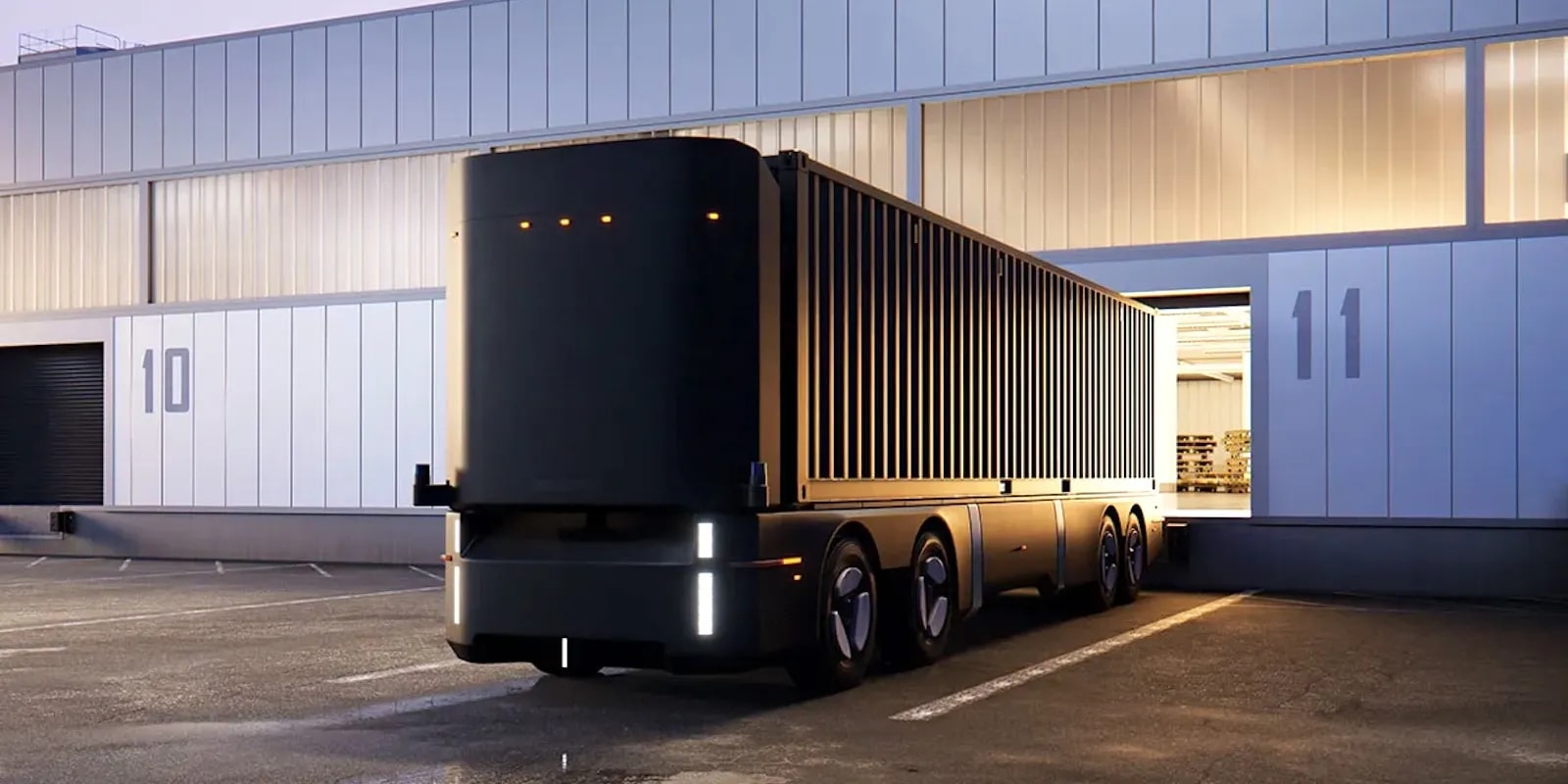
The transport industry is on the brink of a revolutionary shift. Humble Robotics, a startup that has gained significant attention in under a year, has secured $51 million in Series A funding. In total, the company has now raised over $75 million to transition its innovative project from the prototype stage to full-scale production.
An Alternative to Traditional Trucks
The core concept behind Humble Robotics is simple yet radical: the company proposes removing the truck cab entirely. Rather than a conventional vehicle consisting of an engine unit and a trailer, the Humble Hauler is an autonomous, electric-powered platform that doubles as the trailer itself. This approach aims to make freight transport lighter, more efficient, and more environmentally friendly.
Eyal Cohen, founder and CEO of the company, notes that their goal is to make logistics fully automated, moving from a "truck platform to a load platform." Unlike traditional trucks where the cab and trailer are separate, the Humble system is a unified structure, which reduces weight and increases payload capacity.
Technological Advantages
The Humble Hauler is equipped with a complex network of cameras, radar, and LiDAR (laser scanning) systems, providing 360-degree vision. Because the vehicle lacks a cab, the field of view is unobstructed, significantly simplifying autonomous navigation. The system utilizes advanced "vision-language-action" models, allowing it to adapt dynamically to new situations on the road.
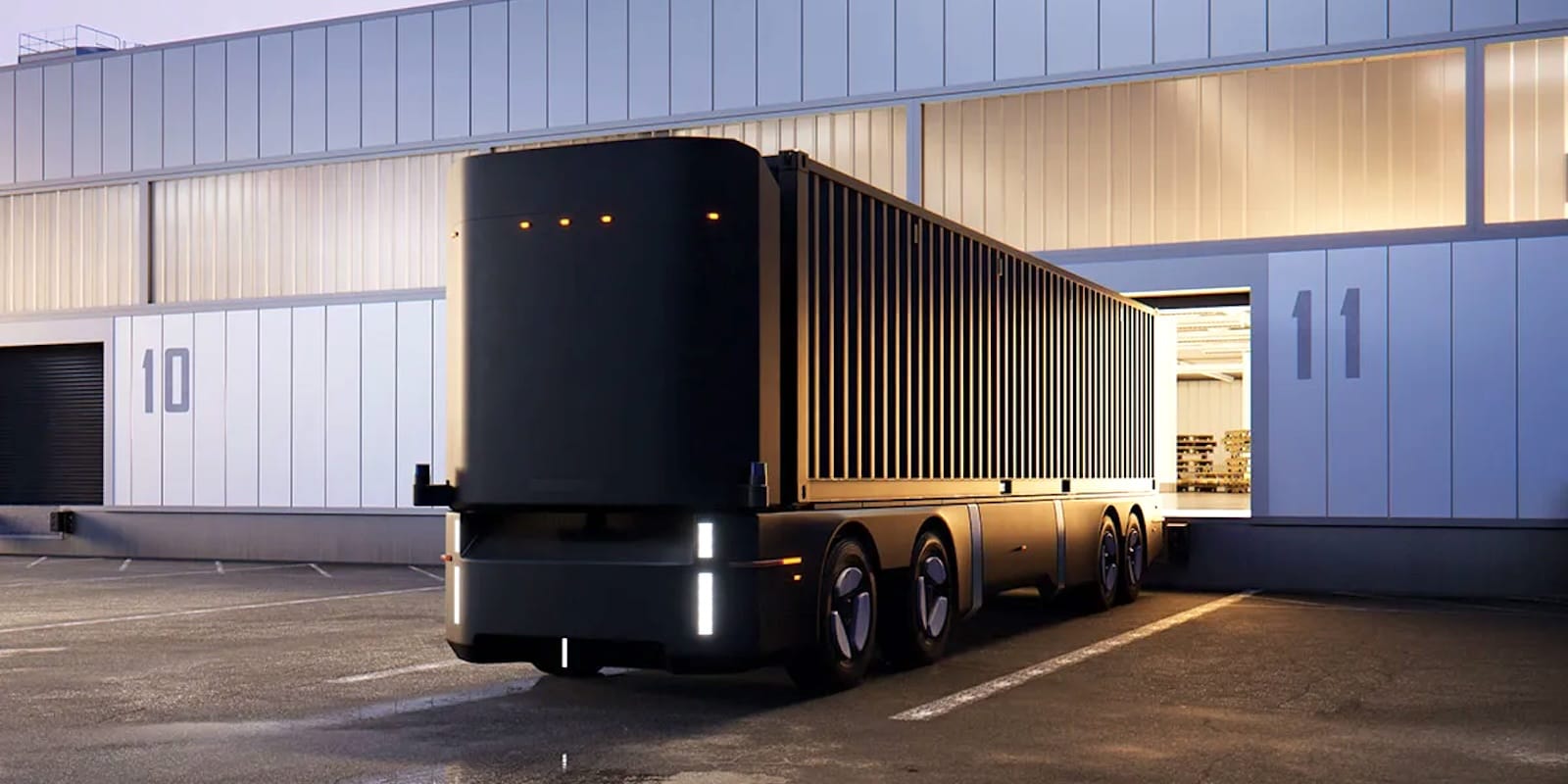
Beyond technological sophistication, the electric powertrain allows companies to reduce their dependence on volatile fuel prices and lower maintenance costs. The newly raised funds will be used for testing, validation, and launching pilot programs with potential partners.
What This Means for the Future
Although the transport industry has relied on the separate cab-and-trailer model for decades, the approach taken by Humble Robotics demonstrates that technological progress could fundamentally alter the logistics chain. The primary challenge now is to prove that operating without a cab is more economical than the flexible use of traditional trucks.
For the Georgian market, this technology currently appears to be a distant prospect. However, changes to global logistics chains will inevitably impact international shipping standards. If these autonomous platforms prove their reliability, we may soon witness the arrival of completely driverless vehicles on international transport corridors.