Huawei Enjoy 100 Pro Max: New Smartphone Specifications Revealed
Increased Power and New Capabilities
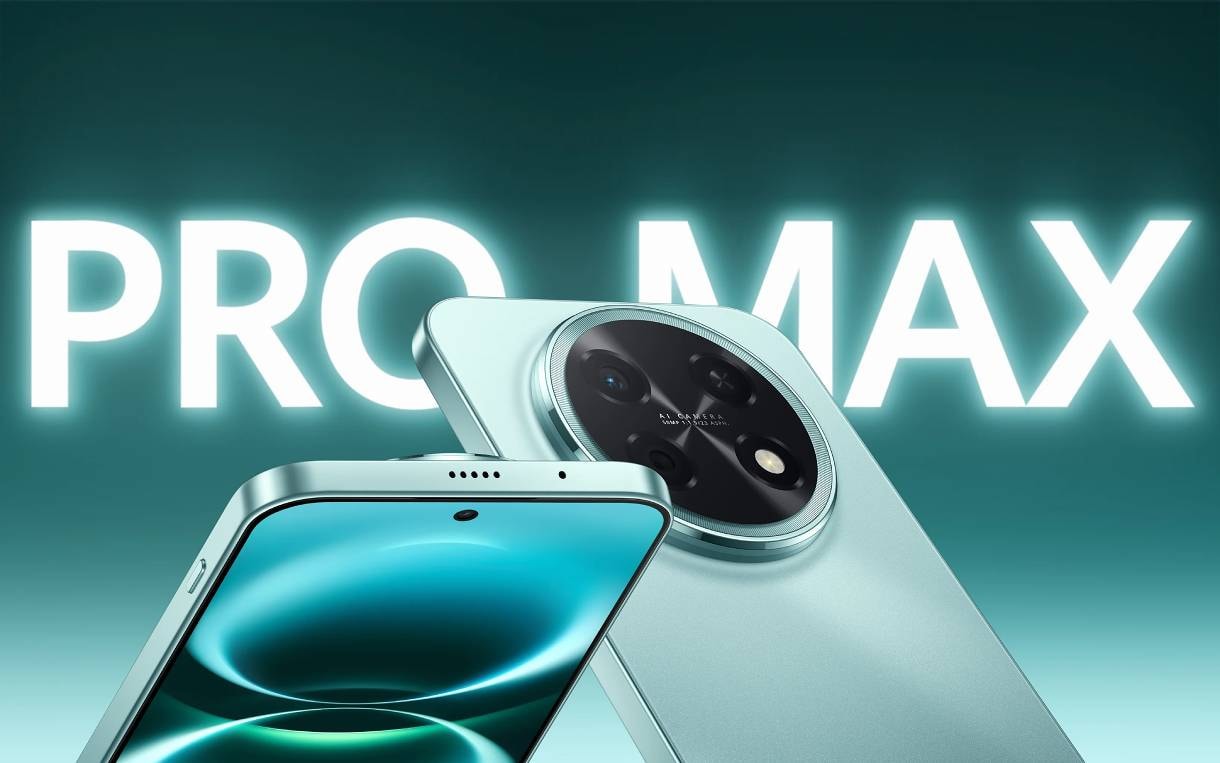
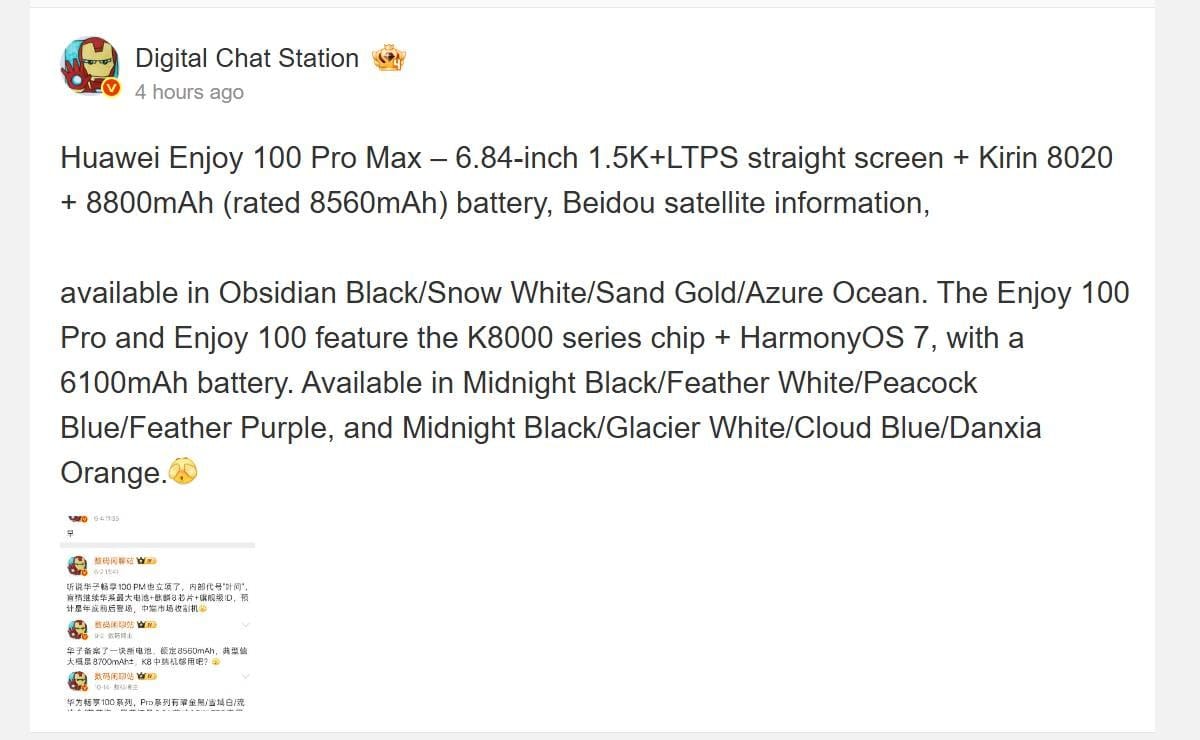
Huawei's Enjoy series of smartphones has traditionally focused on battery life, but the company plans to push this even further in the next generation. Reports indicate that the series flagship, the Huawei Enjoy 100 Pro Max, will feature an 8800 mAh battery. This is a 300 mAh increase over the previous generation, positioning the device as one of the most durable smartphones on the market.
While the battery capacity has grown, the display specifications remain consistent. The device will be equipped with a 6.84-inch flat 1.5K LTPS panel. The primary technological advancements are internal: the smartphone will feature the Kirin 8020 chipset and, significantly, will include support for BeiDou satellite messaging, a feature absent in the previous model.
Changes in Other Enjoy 100 Series Models
The more compact versions of the series, the Huawei Enjoy 100 and Enjoy 100 Pro, follow a different strategy. They will utilize a 6100 mAh battery, which is notably lower than the 6620 mAh capacity found in the previous generation. Regarding processors, these models will continue to run on Kirin 8000 series chips, though they will receive a full software overhaul—all three new models will launch with the HarmonyOS 7 operating system.
Design and Colour Options
Huawei has placed significant emphasis on visual variety. The Enjoy 100 Pro Max will be available in Obsidian Black, Snow White, Sand Gold, and Azure Ocean. The standard and Pro models will offer a different colour palette, including options such as Midnight Black, Feature Purple, and Danxia Orange, allowing users to choose a device that matches their personal style.
Although the technical specifications are impressive, details regarding charging speeds remain unknown. For context, the Enjoy 90 series featured 40W wired charging. For users looking for budget-friendly yet powerful smartphones, this series represents an interesting alternative, though its global availability and compatibility with Google services remain key factors to consider.