How We Should Search for Life in Space: A New Scientific Vision
A New Definition of Life
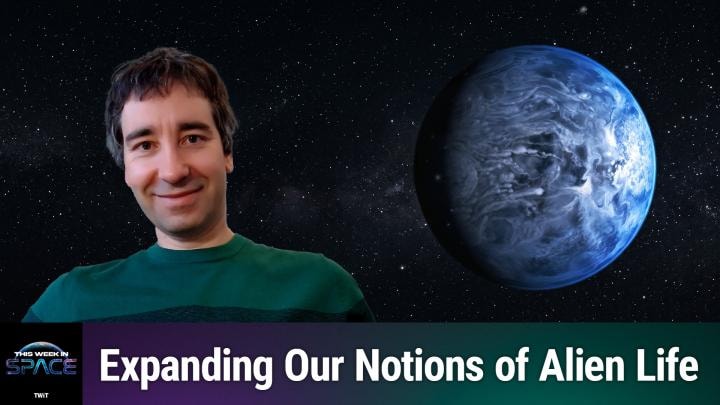
When we discuss extraterrestrial life, our imagination often leans toward characters from Hollywood films or, at best, carbon-based organisms at a microbial level. However, the scientific approach could be far broader. Mikhail Tikhonov, a researcher at Washington University, believes that life may exist in forms that are currently impossible for us to identify using our existing criteria.
Tikhonov proposes a new, fundamental definition of life: anything that absorbs energy, transforms it, and possesses the ability to replicate could be considered a living organism. This approach radically expands the search area and compels us to look beyond the biological structures we are familiar with when searching for life in space.
Why This Matters
Traditionally, astrobiology looks for water, oxygen, and carbon as essential components of life. However, if life can be non-biological or carry energy processes alien to us, then the potential "habitable zones" in the universe are far more numerous than we previously thought. Tikhonov’s theory allows us to step outside narrow frameworks and begin considering what life might look like if it resembles nothing found on Earth.
Space News and Technology
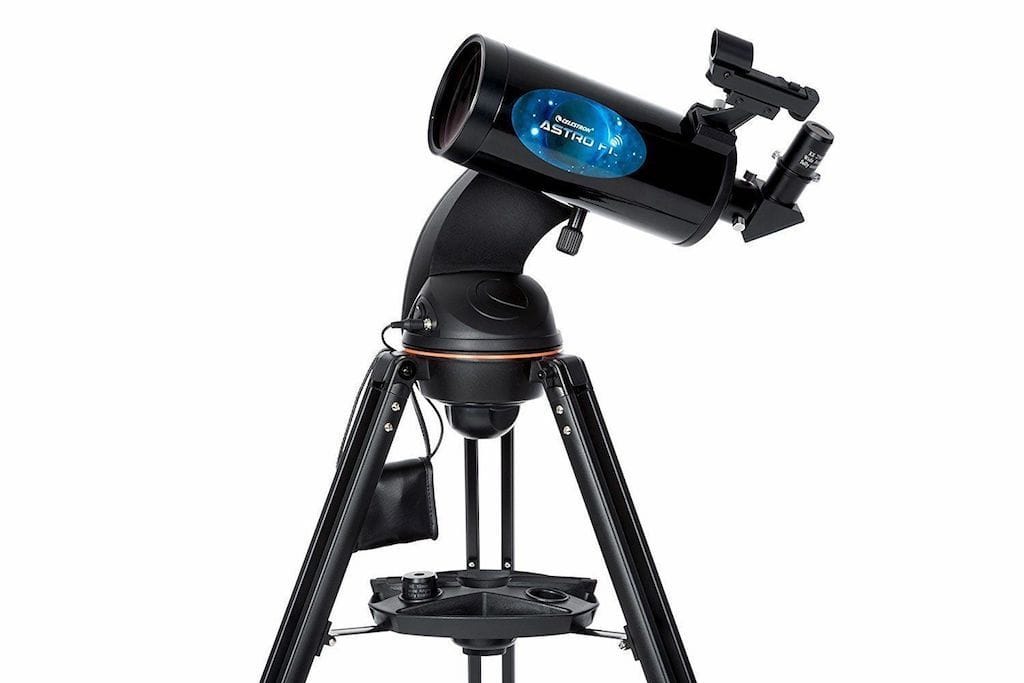
In parallel, the space industry continues to develop actively. SpaceX’s Starship missions, which define the future of space travel, remain on the agenda. Interestingly, interest in space technology is already permeating everyday life. For instance, the company Estes has released a detailed, launchable model of the Falcon 9, allowing space enthusiasts to theoretically conduct their own rocket launches. Furthermore, optical tools such as the Celestron Astro Fi 102 are available on the market for amateur astronomers, making the observation of planets and comets more accessible.
Ultimately, modern science and technology are bringing us ever closer to solving the mysteries of the cosmos. Whether it is the search for new forms of microscopic life or the perfection of reusable rockets, humanity is moving into a new stage of the space age. It is important for enthusiasts everywhere to follow these developments, as new knowledge about the universe often begins with such bold theoretical observations.