How to turn old hard drives into a reliable RAID array
Repurpose unused hard drives into functional storage.
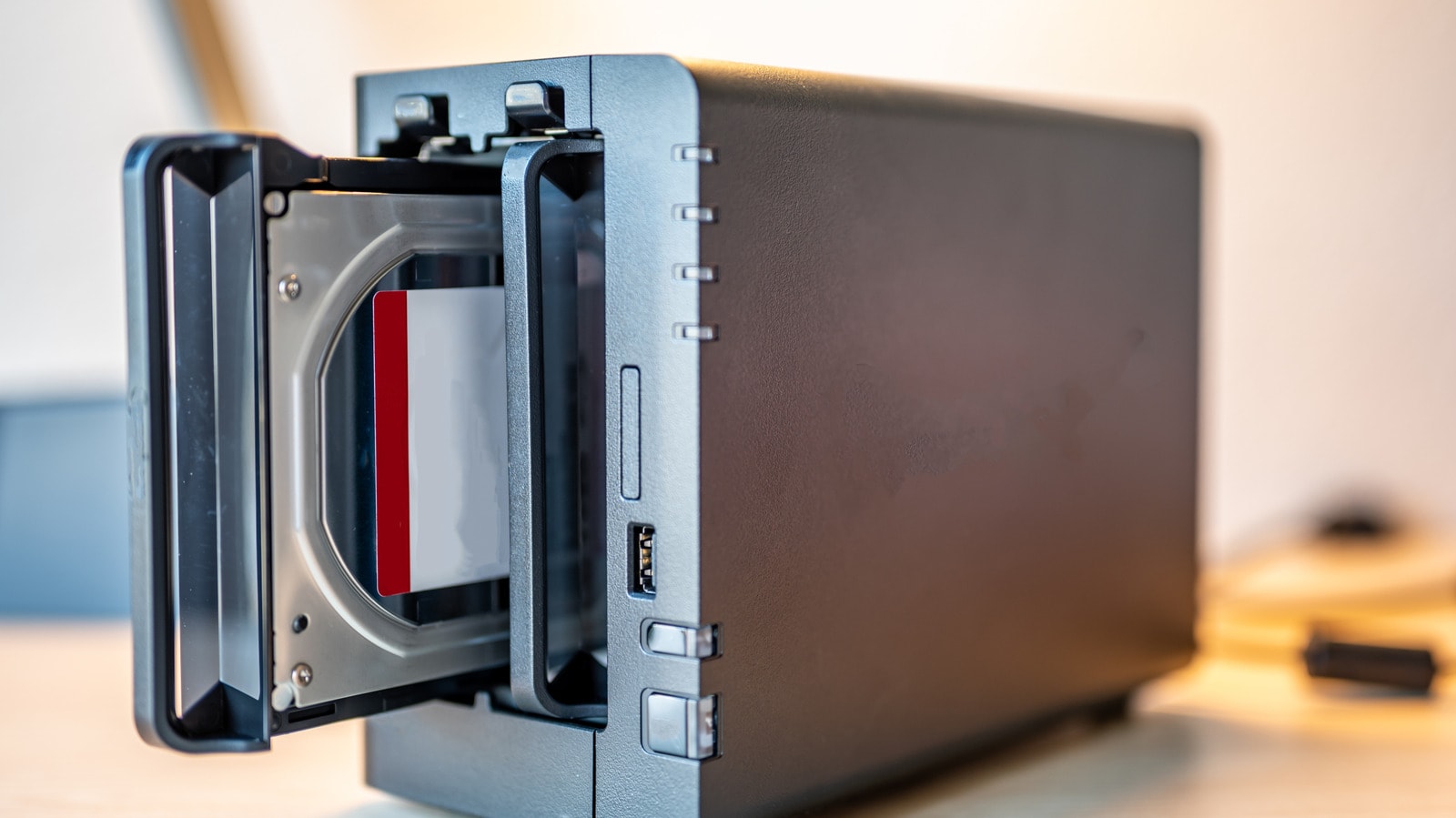
Old personal computer upgrades often leave behind unused hard drives, but throwing them away or leaving them in a drawer is not the best solution. These devices still have remaining operational lifespan and can be used to assemble a fully functioning RAID array.
Why RAID is a practical solution
RAID (Redundant Array of Independent Disks) is a technology that combines multiple physical drives into a single logical storage pool. This approach serves two main purposes: increasing data read and write speeds, or protecting information against potential drive failure.
An array built from unused hard drives is particularly suitable for storing home backups. Users can create their own local storage or network-attached storage (NAS) to keep large files, family photo archives, or media libraries. This approach significantly reduces costs by eliminating the need to purchase expensive new external storage.
What to check before combining drives
Before combining old hard drives into a single array, several technical details must be considered. First and foremost, it is essential to check the health and technical condition of each drive. Because these are previously used components, there is a risk of bad sectors, which could compromise the stability of the entire array.
Attention should also be paid to drive capacity and rotational speed. When devices with different specifications are combined in a system, the array's overall capacity and speed are often constrained by the smallest or slowest drive.
With a properly selected configuration and preliminary checks, equipment that has sat idle for years can be turned into a reliable daily asset.