How to Maintain Your Electric Vehicle Battery Health
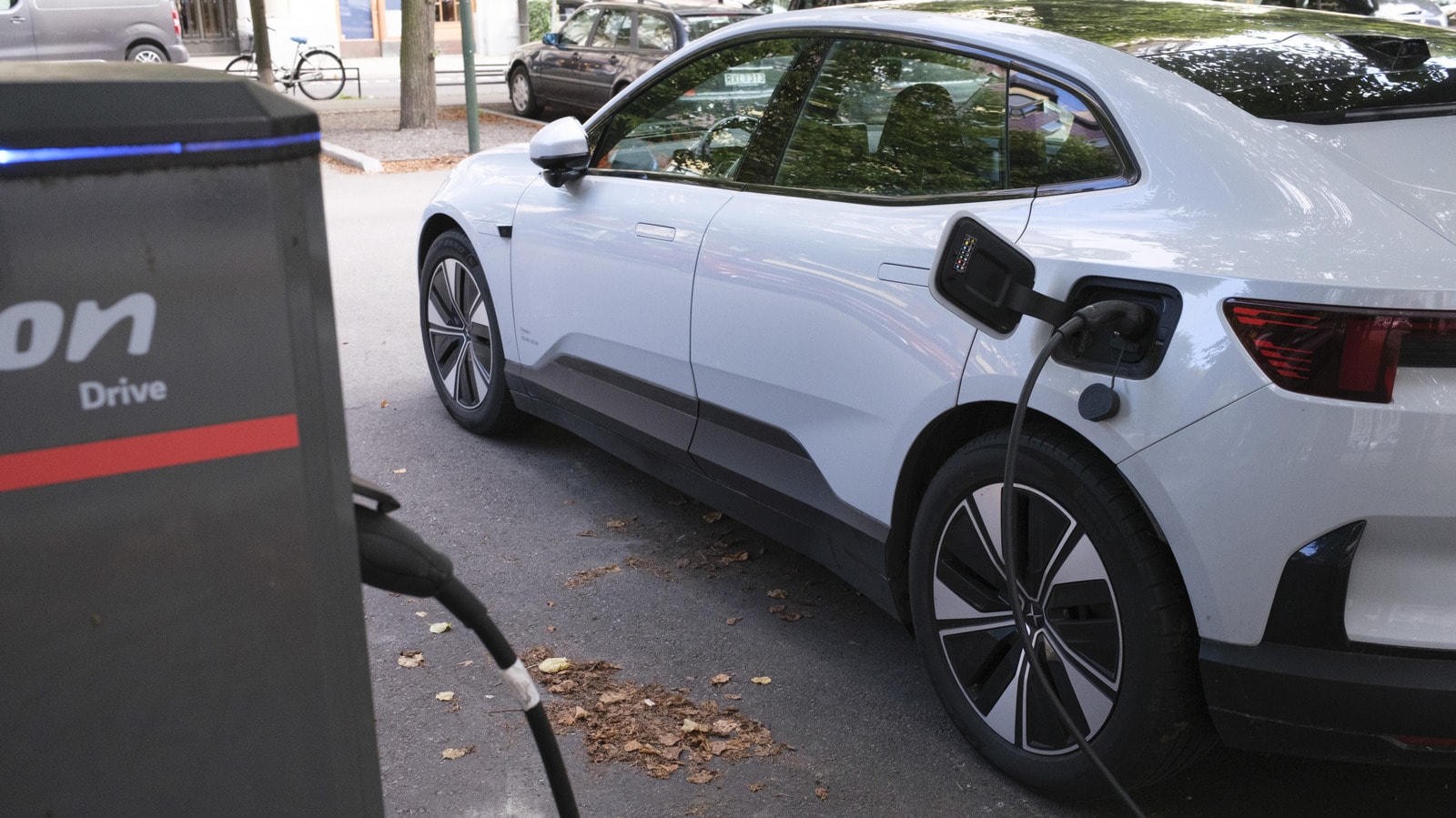
Switching to an electric vehicle is not just an environmentally conscious choice; it is a practical one. EVs are quieter, cheaper to maintain, and electricity costs less than traditional fuel. However, many owners make common mistakes that significantly reduce battery life. Your EV battery functions similarly to a smartphone battery, and managing it correctly is crucial to avoid needing extra stops on long journeys in the future.
Golden Rules for Charging
The most common mistake is charging your vehicle to 100% every time. If your EV uses an NMC (nickel-manganese-cobalt) battery, it is best to keep the charge level between 80% and 90%. For LFP (lithium-iron-phosphate) batteries, a full charge is recommended once a week. Most modern electric vehicles include a feature that allows you to set automatic charging limits.
Additionally, try to avoid letting the battery level drop below 20%. The optimal range is between 20% and 80%, which is the least stressful for the battery's chemical composition. Furthermore, charging speed slows significantly after 80%, so there is little practical benefit to exceeding this threshold for daily needs.
The Impact of Temperature and Charging Modes
Ambient temperature directly affects battery performance. Charging at temperatures above 40°C accelerates battery degradation. If you live in a hot climate, try to charge your vehicle at night or early in the morning. After a long trip, allow the battery some time to stabilize its temperature before plugging it into a charger.
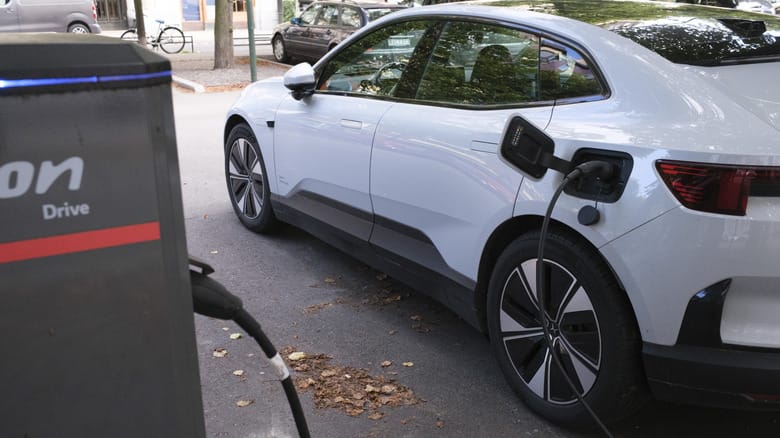
Regarding fast charging (Level 3 DC chargers), use them only when necessary. Although modern systems use effective cooling mechanisms, such high-power charging still generates excess heat, which causes battery wear in the long term. Under normal conditions, prioritize home or standard chargers.
Additional Operation Tips
Battery life depends on the number of charging cycles (typically between 1,000 and 2,000 full cycles). Fewer charging cycles mean a longer battery life. Try to drive moderately, use cruise control, and choose energy-efficient routes when planning your travel.
Ultimately, remember that these rules are not rigid requirements. Electric vehicles are designed for daily use. If you occasionally need to charge to 100%, it will not immediately damage the battery. However, adopting these simple habits will help keep your vehicle as efficient years down the road as it was on the day you bought it.