How the Universe’s Mysterious Signals Sound: Cosmic Bursts as Music
An immersive installation at Finland's Oulu Cathedral brings ancient radio pulses to life.
A Cosmic Phenomenon for Human Ears
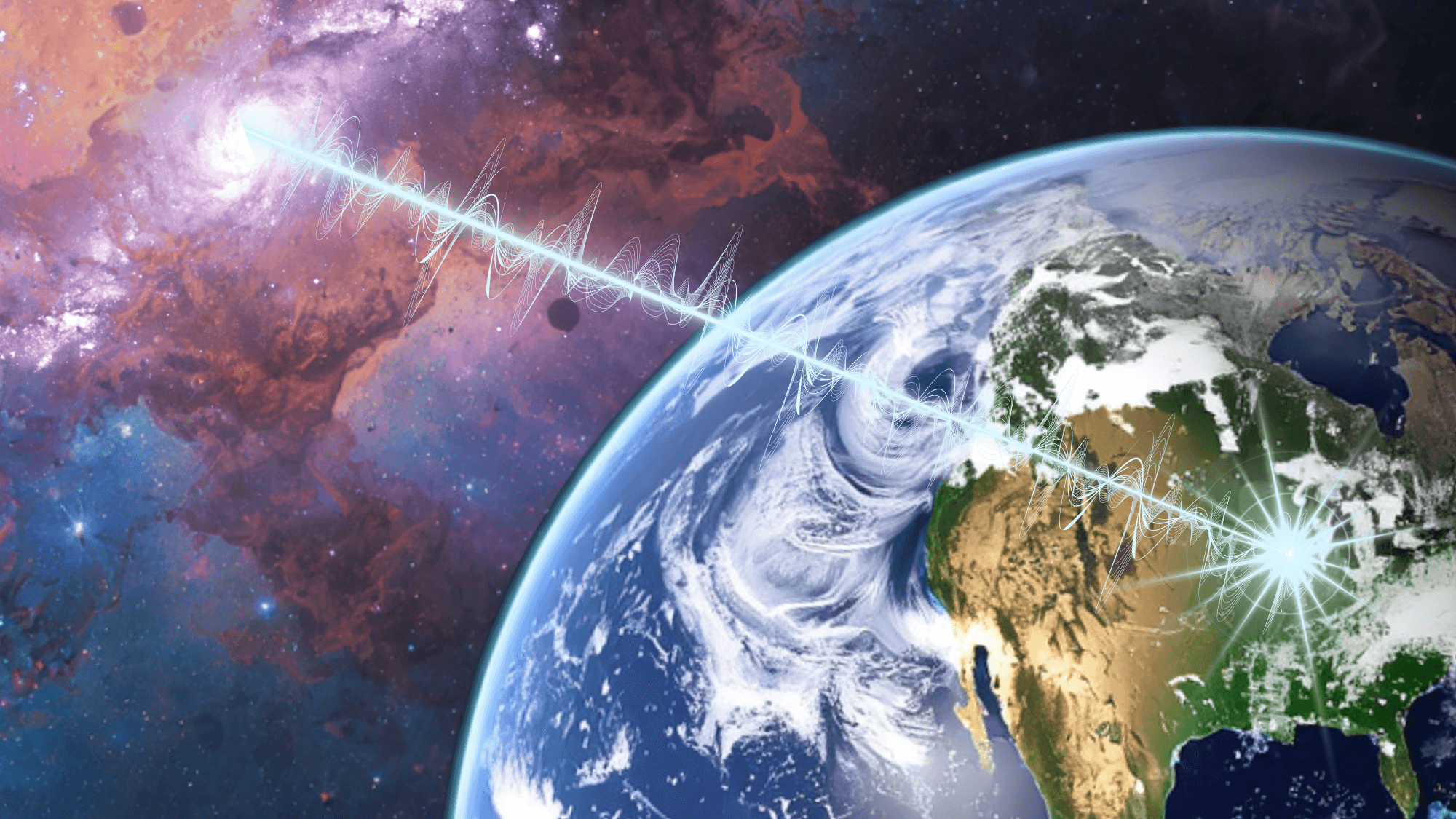
Fast Radio Bursts (FRBs) are among the most enigmatic and energetic events in the universe. These are brief explosions of radio waves, lasting only milliseconds, yet their power often exceeds that of entire galaxies. Since their discovery in 2007, scientists have recorded thousands of these signals, though their precise origins remain a subject of research. It is widely believed that rotating neutron stars or magnetars are the source of these events.
Although these signals reach our planet, they cannot be seen or heard through conventional means. However, artist Andrew Melchior and MIT physicist Kiyoshi Masui decided to convert this data into sound. The result is a unique installation titled "The Logos" at the Oulu Cathedral in Finland, where cosmic signals are brought to life through a specialized acoustic system.
How Light is Transformed into Sound
Data for the project was collected between 2018 and 2023 by the Canadian CHIME (Canadian Hydrogen Intensity Mapping Experiment) telescope. During this period, the telescope recorded 4,539 bursts from 3,641 sources. Within the installation, the structure of each signal is converted into musical tones and broadcast throughout the cathedral space via 12 speakers.
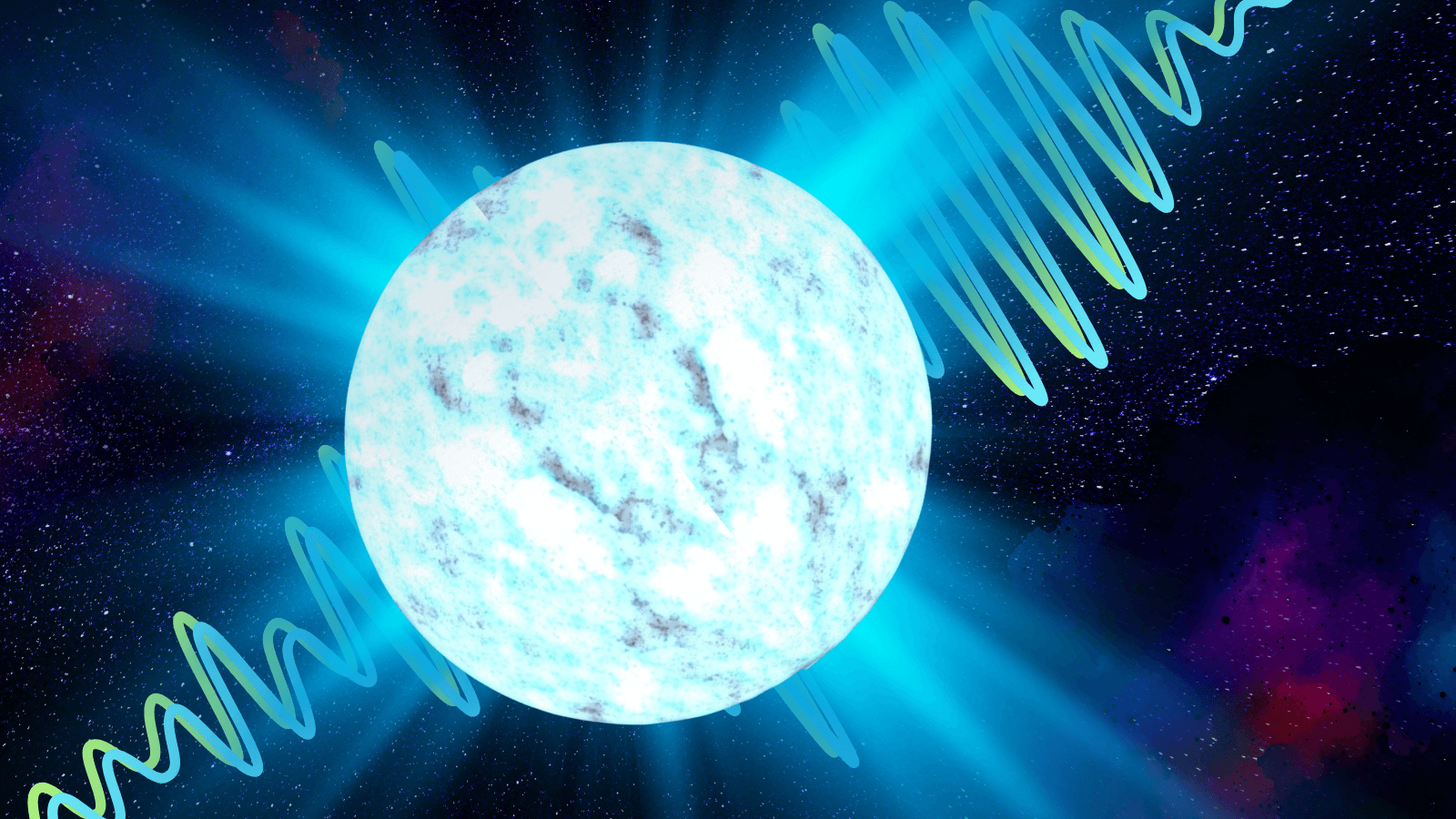
Listeners can hear a variety of sounds: some signals resemble a distant hum, while others sound like whistles or intermittent pulsations. The physical aspect is particularly interesting—as the signals pass through cosmic gas, they change, which is reflected in the audio recording as a gradual drop in frequency. These sounds are, in effect, echoes from the distant past, ranging from 50 million to 9 billion years old.
Why This Matters
Projects like this build a bridge between science and art. Scientific research, including observations from the James Webb Space Telescope, confirms that these signals often originate from young, star-forming galaxies. This fact supports the theory that FRBs are linked to the activity of magnetars—neutron stars with extremely powerful magnetic fields.
A special performance is scheduled for November 21 at the Oulu Cathedral, where 30 singers will "respond" to the cosmic signals. This installation not only provides aesthetic pleasure but also helps us grasp the scale of the universe and the complex journey information takes to reach us. Even though these cosmic events are billions of light-years away, "listening" to them brings us closer to the universe of which we are a part.