How Long Do Blu-ray Discs Last and Are They Reliable for Archiving?
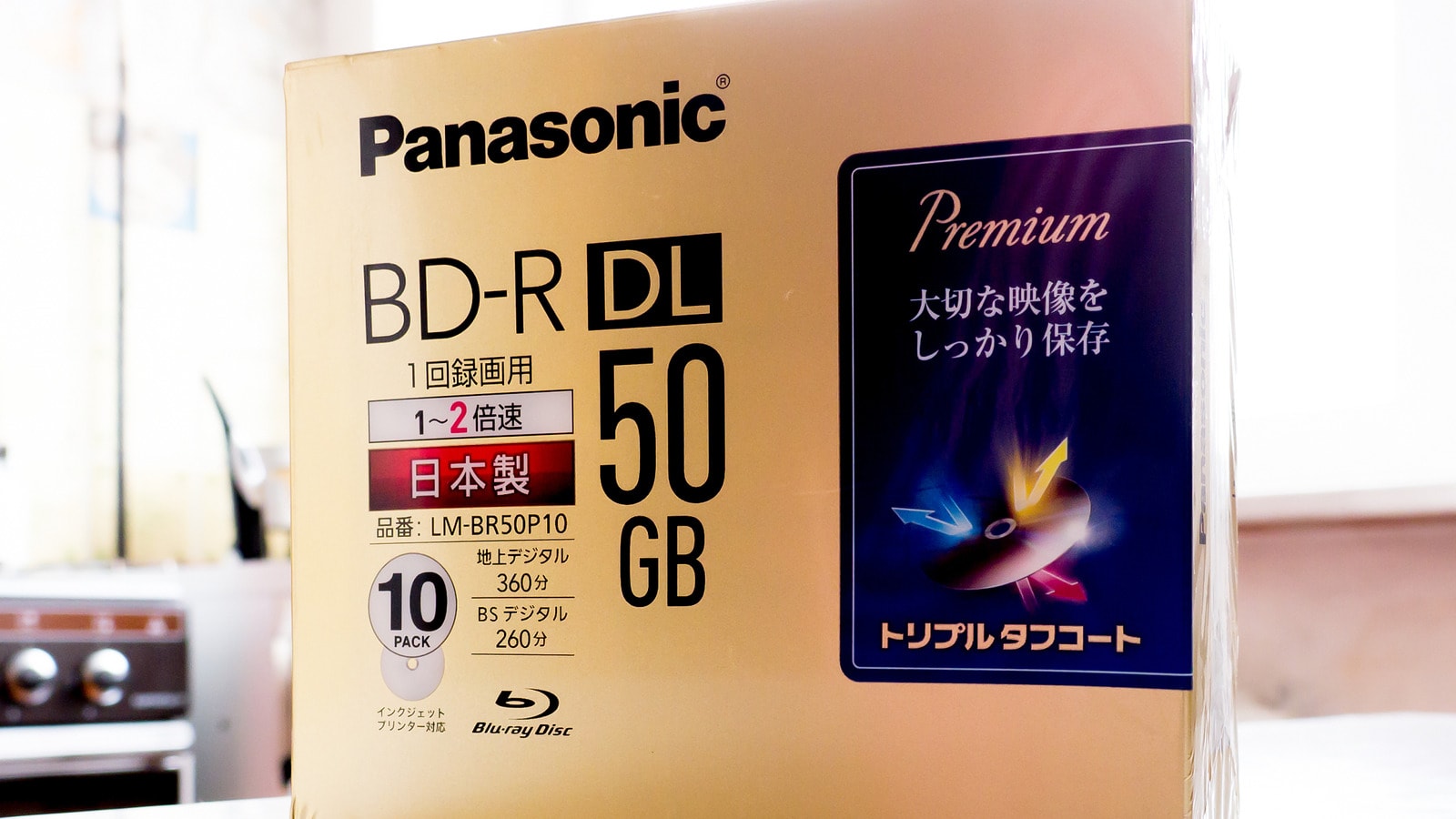
While cloud services and flash memory dominate the data storage market, Blu-ray discs remain an intriguing option for cinephiles and archivists. A common question arises: how safe is it to store precious memories or work projects in this format, and what is the lifespan of recordable Blu-ray (BD-R) discs?
What Determines Disc Longevity
The primary enemy of Blu-ray discs is 'disc rot,' a term encompassing physical and chemical degradation. The most common issue is the oxidation of the reflective layer, which eventually makes data unreadable. Additionally, humidity can lead to mold growth or the delamination of the disc layers. Exposure to ultraviolet light primarily damages the disc label, though it is still not recommended.
According to the Canadian Conservation Institute (CCI), the lifespan of inexpensive BD-R discs is typically between 5 and 10 years. These are not recommended for critical archiving, as modern external SSDs are significantly more durable and hold more data. However, for high-quality discs where the dye layer is replaced with a silicon and copper alloy, the lifespan increases to 10 to 20 years. As for rewritable (BD-RE) discs, their potential lifespan can reach 20 to 50 years under proper conditions.
Technological Challenges and the Future
Even if a disc remains physically intact for decades, a larger problem exists: industrial support. Optical disc drives have all but disappeared from modern computers. Many companies, including Sony, are gradually reducing the production of both discs and players.
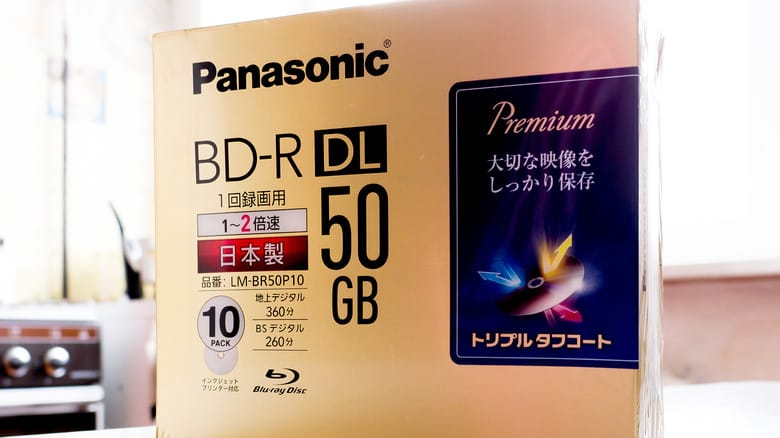
Your disc might be in perfect condition in 20 years, but you may simply be unable to find a device to read it. Furthermore, there is the risk of software incompatibility, where new operating systems fail to recognize older drivers. Discs are also highly fragile; a single accidental scratch or crack is enough to lose an entire archive.
Tips for Data Security
Experts are unanimous in their recommendation: never rely on a single storage medium. The best practice involves storing data in three ways: one copy in a cloud service and two copies on different types of local storage. If you still choose to use Blu-ray discs, keep them in a cool, dry, and dark place.
Ultimately, Blu-ray remains a niche product today. For users planning to archive data, it is better to focus on modern external SSDs and cloud platforms, as their accessibility and support are far more guaranteed in the coming years.