How HPE Gives Old Technology a Second Life
Technological Revival in Scotland
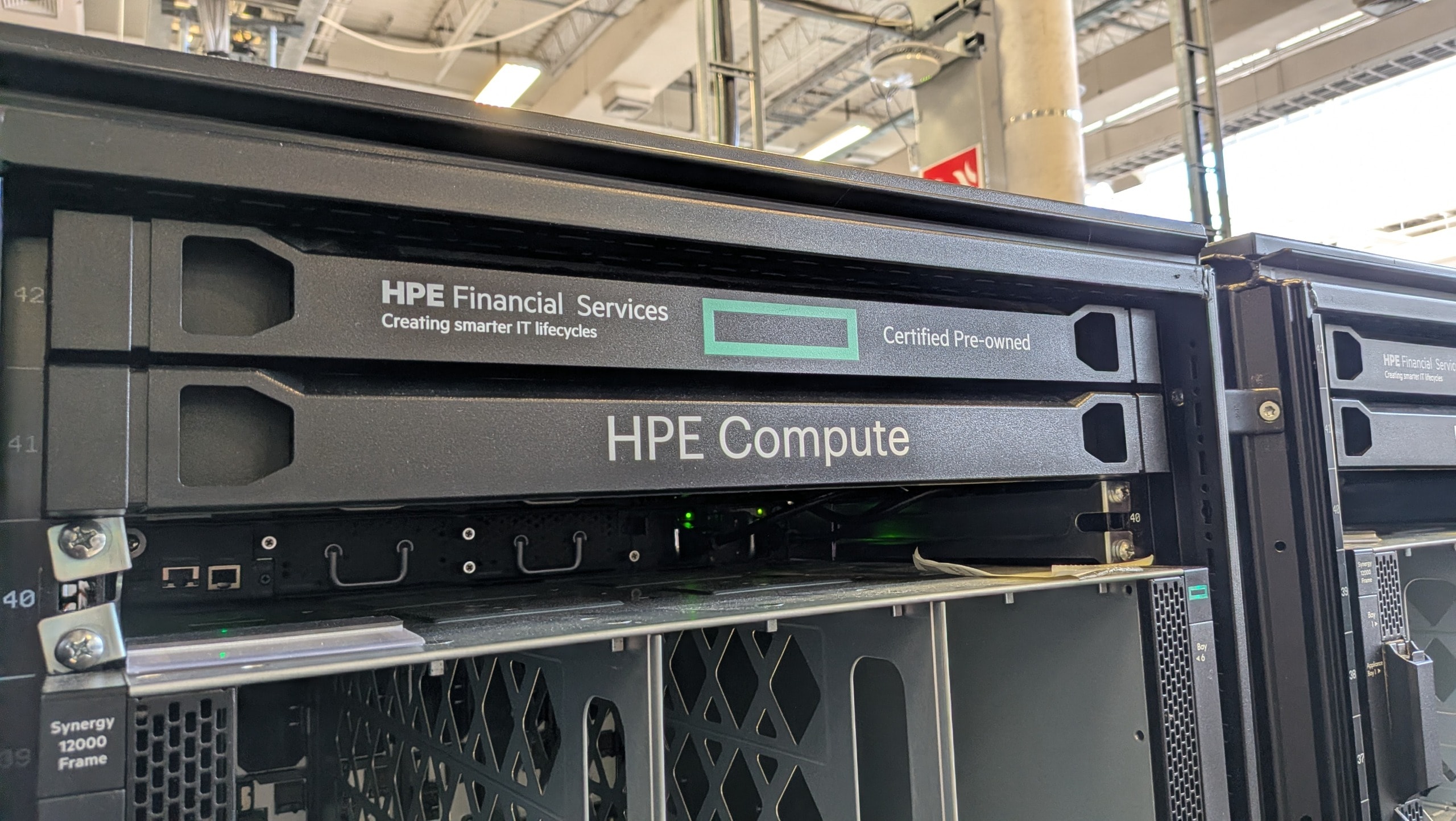
When consumers purchase refurbished technology, the journey that hardware takes before returning to the market is often opaque. Near Glasgow Airport in Scotland, the Hewlett Packard Enterprise (HPE) Technology Renewal Center (TRC) provides a clear answer. Spanning 22,300 square metres, this facility is one of the world's largest centres for electronic waste processing.
Opened in 1987, the facility initially focused on manufacturing Compaq-branded computers. In 2011, it pivoted its profile to focus entirely on the hardware renewal process. Today, it employs more than 200 highly qualified staff members who undergo rigorous security vetting to ensure the absolute protection of client data.
Large-Scale Processing and Security
The capabilities of the HPE renewal centre are significant, processing approximately 150,000 units of technology each month. According to company data, 85% of incoming servers and 97% of workstations successfully pass testing and cleaning stages before returning to the market. Notably, the centre does not exclusively serve HPE hardware; a substantial portion of the incoming servers and computers are manufactured by other companies.
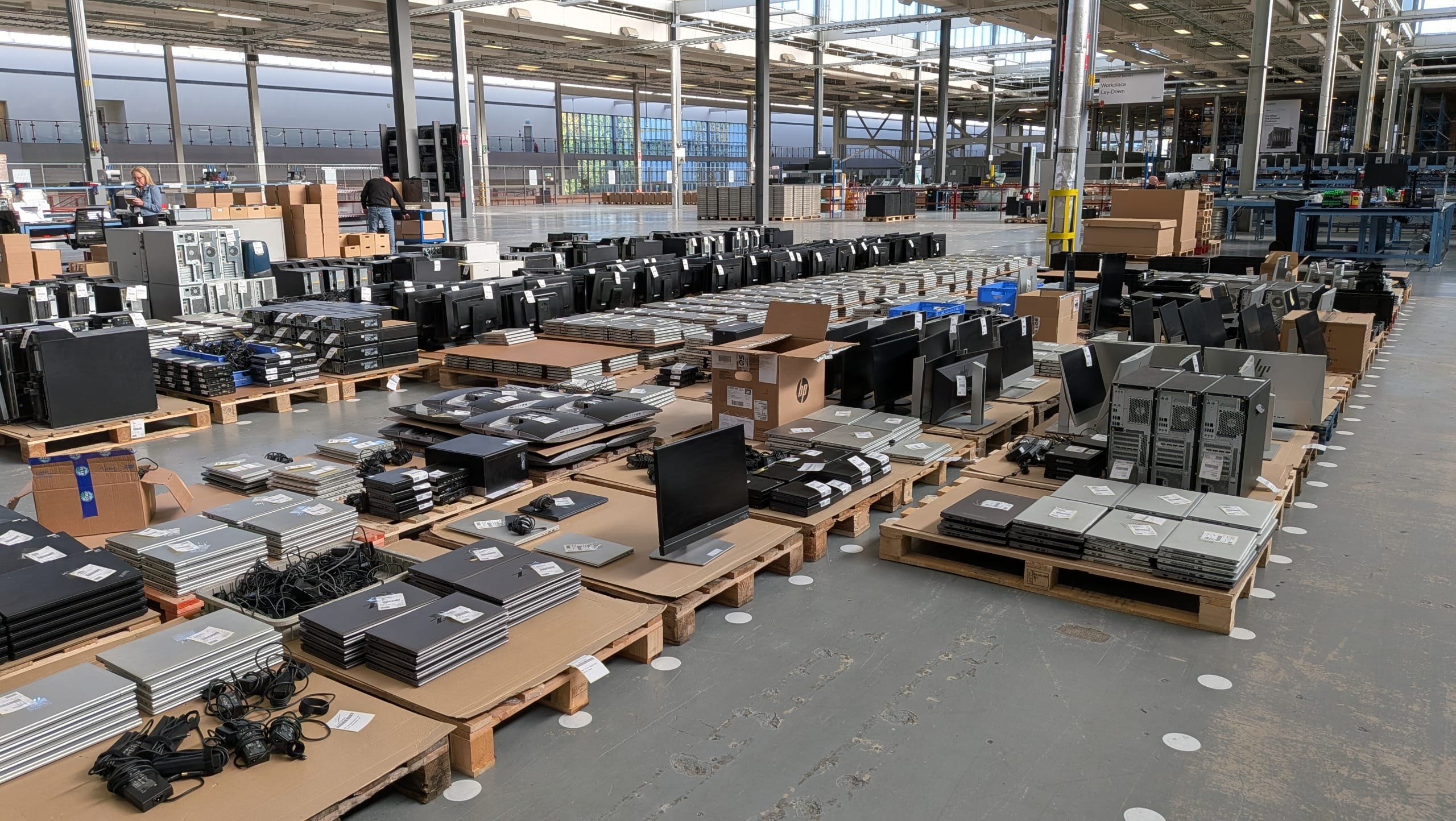
Security remains a fundamental pillar of the operation. Every hard drive and SSD undergoes complete data erasure and overwriting in accordance with the highest industry standards. The company estimates that it has cleared approximately 1.6 million drives, representing a total of 1.7 exabytes of data. This process is so thorough that customers can be entirely confident in the integrity of their device.
Sustainable Development and the Future
The centre’s operations are directly linked to environmental protection. HPE estimates that the combined work of its Erskine and Massachusetts facilities has diverted more than 8.4 million kilograms of electronic waste from landfills. Furthermore, the company has overhauled its packaging standards: boxes are made from 100% recycled cardboard, and protective materials consist of water-soluble, starch-based foam.
In the era of artificial intelligence, where companies require increasingly powerful server infrastructure, this model of hardware renewal is becoming particularly relevant. It allows businesses to reduce costs and acquire hardware that meets modern standards while contributing to a circular economy. For markets like Georgia, where demand for secondary technology is high, such a standardised approach could represent the optimal path forward for technological renewal.